professors are appointed to teach, mentor students, conduct research, and advance knowledge—not to chase admission targets, make promotional calls, or function as sales executives. Yet, in an increasingly competitive higher education environment, academic professionals are frequently expected to shoulder responsibilities that have little to do with their core academic mandate. When professors are judged by the number of students they recruit rather than the quality of students they educate, something fundamental has gone wrong with the purpose of higher education. A university is an institution of learning, not a marketing agency. Its primary responsibility is to create knowledge, develop critical thinking, nurture talent, and prepare responsible citizens. Professors are the intellectual backbone of this mission. Reducing their professional identity to admission figures and promotional activities undermines their dignity and weakens the academic culture that universities are supposed to protect.
From Academicians To Admission Agents: Across parts of the higher education sector, faculty members face mounting pressure to contribute to institutional marketing, contact prospective students, promote programmes, participate in recruitment campaigns, and meet enrolment targets. Some institutions treat admission generation as an informal or even formal measure of faculty performance, irrespective of teaching workloads, research commitments, and mentoring responsibilities. This approach raises a fundamental question: why are highly qualified academics, appointed for their subject expertise and scholarly contributions, being compelled to perform tasks that should primarily belong to dedicated admissions and marketing teams? Recruitment is undoubtedly important for institutional survival, particularly when colleges face declining enrolments and intense competition. However, the responsibility for attracting students should be shared through professional admissions offices, effective outreach strategies, transparent communication, and strong institutional branding. Professors can contribute their academic expertise to these efforts, but such participation should not become a substitute for their principal duties or an unreasonable condition of employment.
The Commercialization Of Academic Responsibility: The consequences extend beyond faculty dissatisfaction. Time spent on recruitment activities is time diverted from preparing lectures, updating course materials, guiding research scholars, publishing meaningful research, and providing individual attention to students. Professors already face demanding responsibilities involving examinations, accreditation, curriculum development, administrative reporting, research supervision, and institutional committees. Adding sales-oriented targets to this workload can compromise the very activities for which they were appointed.
Faculty Dignity Must Not Become A Casualty: Professors are not opposed to institutional development. They understand that colleges and universities need adequate enrolment, financial stability, public trust, and sustainable growth. Many willingly participate in open houses, career counseling, school visits, academic seminars, and programme-awareness initiatives because these activities help students make informed educational choices. The problem arises when voluntary academic engagement becomes coercive recruitment work, when admission targets overshadow educational responsibilities, or when faculty members face humiliation, threats, or adverse performance assessments for failing to meet targets beyond their reasonable control.
“The central idea of “Stop Turning Professors into Sales Executives” is to restore the primacy of academic responsibilities in higher education by ensuring that university professors focus on teaching, research, student mentorship, and knowledge creation rather than being burdened with admission targets and institutional marketing. It advocates a clear distinction between academic and administrative functions, professional management of student recruitment, and faculty evaluation based on teaching effectiveness, research excellence, and scholarly contributions. Sustainable institutional growth must be driven by academic credibility, educational quality, and research excellence—not by the commercialization of faculty responsibilities.”
Who should be responsible for admissions? Institutional recruitment requires professional planning and specialized skills. Dedicated admissions teams, trained counsellors, communication professionals, and digital marketing personnel are better equipped to manage lead generation, follow-ups, promotional campaigns, and enrolment processes. Most importantly, institutions must recognize that sustainable enrolment begins with academic credibility. Students and parents are more likely to trust institutions that offer competent teaching, qualified faculty, meaningful learning experiences, transparent fee structures, strong industry connections, and credible career support. The best advertisement for a university is its academic reputation. Satisfied students, successful graduates, impactful research, and responsible institutional leadership generate a stronger and more lasting public image than aggressive recruitment campaigns.
A Call For Institutional Reform: Higher education institutions must urgently reconsider how faculty performance is evaluated. Teaching effectiveness, student learning, research quality, scholarly publications, innovation, mentoring, community engagement, and professional development should remain central to academic assessment. Admission-related participation, where appropriate, should be recognized as a supplementary institutional contribution rather than treated as the defining measure of a professor’s professional worth. Workloads should be transparent, responsibilities reasonable, and evaluation systems aligned with the institution’s educational mission. Regulatory bodies, university leadership, governing boards, and faculty associations should encourage policies that protect academic autonomy and prevent inappropriate commercial pressures from displacing core academic responsibilities. Institutions should also establish effective grievance mechanisms so that faculty members can raise concerns without fear of retaliation.
Restore The Dignity Of The Professor: India aspires to build globally respected universities, strengthen research, encourage innovation, and develop a knowledge-driven economy. These ambitions cannot be achieved by treating professors as admission agents while expecting them to deliver world-class teaching and research. University management must recognize that professors are not merely employees assigned to meet administrative targets. They are educators, researchers, mentors, and custodians of knowledge whose work shapes the nation’s intellectual future. Stop turning professors into sales executives. Let them teach, let them research, and let them mentor. If institutions want better admissions, they must build better academic reputations—not shift the burden of recruitment onto those entrusted with educating the next generation. The future of higher education depends not on how effectively professors sell their institutions, but on how successfully those institutions empower professors to fulfill their academic mission.
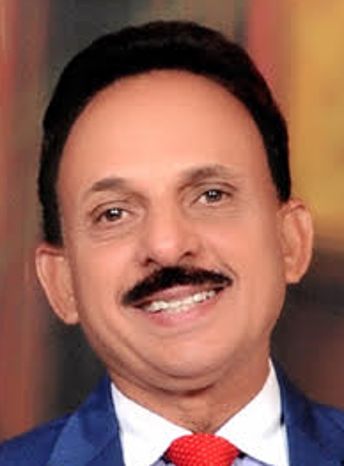
(The author is Principal, Guru Gobind Singh College of Management and Technology, Gidderbaha, Punjab. The views, opinions and conclusions expressed in this article are those of the author and aren’t necessarily in accord with the views of “Kashmir Horizon”)