• Representatives seek improved healthcare, employment opportunities and basic amenities
• NCST member reviews welfare schemes; district officers asked to examine grievances
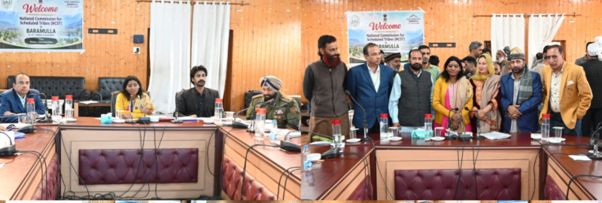
Baramulla|Oct, 15: Demand for the introduction of Gojri and Pahari languages in schools, effective implementation of the Forest Rights Act and improved access to basic amenities featured prominently during National Commission for Scheduled Tribes (NCST) member Dr Asha Lakra’s visit to Baramulla on Thursday.
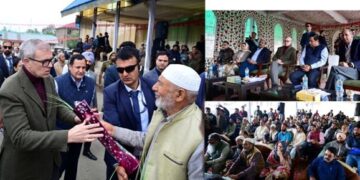
During an interaction at Dak Bungalow, representatives of the Scheduled Tribe (ST) community submitted a memorandum highlighting concerns over education, healthcare, employment, livelihood opportunities and infrastructure in tribal-populated areas, seeking intervention to address gaps in welfare delivery.
“We have come to listen to your issues, not for ourselves. We have heard the concerns of tribal communities in Baramulla and will now meet the district administration to discuss them,” she said.
Talking to media, Dr Lakrasaid the issues raised included matters relating to atrocities, development and service-related grievances. The commission would examine the concerns and pursue appropriate action so that people could receive justice and benefit from government measures.
Dr Lakra added that some matters could fall under the jurisdiction of the Central government, while others would require action by the Jammu and Kashmir government. After completing reviews in additional districts, the commission planned to take up the broader concerns of tribal communities with the Union Territory administration and make recommendations for their resolution, she added.
The tribal representatives called for effective implementation of the Forest Rights Act in Jammu and Kashmir, in line with its implementation in other parts of the country. They also sought the inclusion of Gojri and Pahari languages in the education system, stressing the importance of culturally responsive learning for tribal children.
Road connectivity, drinking water, electricity and sanitation were among the other issues raised by the delegation. The representatives stressed the need to expand skill-development opportunities, promote economic empowerment and improve livelihood prospects for tribal communities.
They also called for strengthening departments responsible for tribal welfare through adequate staffing, infrastructure and resources to improve service delivery. Improved access to scholarships, social security measures and other government welfare schemes for eligible ST beneficiaries also figured in the memorandum submitted to Dr Lakra.
Dr Lakra heard the concerns raised by the representatives and assured them that the issues would be examined.
Following the interaction, Dr Lakra chaired a meeting with officers of the district administration and other concerned departments to review the implementation of constitutional safeguards, welfare measures and development schemes for Scheduled Tribes in Baramulla district.
A presentation was made during the meeting outlining key initiatives, the status of welfare schemes and development interventions undertaken for tribal communities in the district.
The review focused on identifying gaps in service delivery, strengthening coordination among departments and ensuring that eligible beneficiaries receive the benefits of applicable government schemes.
The concerned officers were directed to examine the issues raised by tribal representatives and take appropriate action for their timely redressal. Emphasis was also laid on strengthening monitoring mechanisms and improving access to essential services in tribal-populated areas.
Deputy Commissioner Baramulla Dr S.F. Hamid, Senior Superintendent of Police Baramulla Gurinder Pal Singh, Additional Deputy Commissioner Sopore S.A. Raina, along with district and sectoral officers, attended the meeting.
The Deputy Commissioner assured that the district administration would extend full support in addressing the concerns raised by the representatives and coordinate with the concerned departments to ensure timely implementation of welfare and development measures.