Govt Says “Permanent buildings for rented health institutions will be constructed in phases”
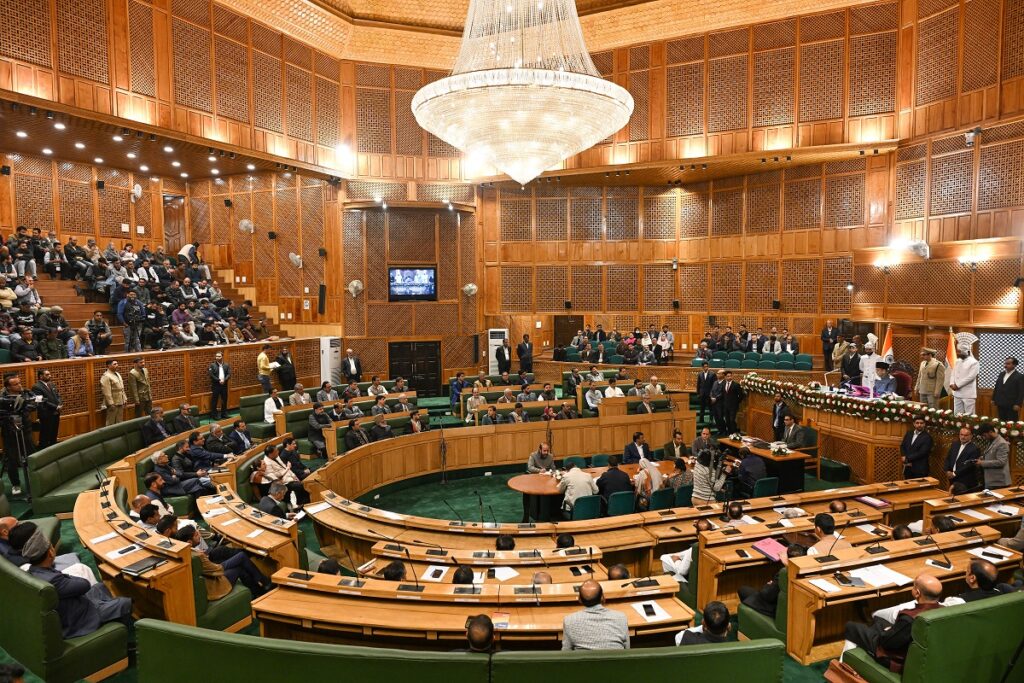
Srinagar|Sept 24: The Jammu and Kashmir government is spending more than Rs 52 lakh every month to keep 2,241 dispensaries and other health institutions running from private or rented buildings across the Union Territory, the Legislative Assembly was informed on Thursday.
The monthly rental liability stands at Rs 52,75,309, taking the annual expenditure on rented health infrastructure to nearly Rs 6.33 crore.
The figures were placed before the House in response to a question raised by Channapora MLA Mushtaq Guroo, who sought details of health institutions functioning from rented premises, the expenditure being incurred on them and the government’s roadmap for shifting such facilities to permanent buildings.
The government said the continued use of rented accommodation is being assessed at the field level by health authorities. Chief Medical Officers (CMOs), Block Medical Officers (BMOs) and Medical Officers examine the suitability of buildings before they are used for providing healthcare services.
According to the government, the assessment covers several parameters, including the availability of adequate space, accessibility for patients, basic healthcare infrastructure, privacy for patients and other prescribed standards.
The exercise, it said, is intended to ensure that health services are delivered from premises that are safe, accessible and suitable for the requirements of patients and medical staff.
On the question of permanent infrastructure, the government said it has initiated efforts to construct buildings for health institutions presently operating from rented accommodation.
However, it made it clear that the exercise cannot be completed simultaneously across all 2,241 facilities because of the scale of financial resources required.
“Constructing permanent buildings for all such institutions would require financial investment running into thousands of crores of rupees,” the government said, adding that such expenditure could not be accommodated within the resources available in the short term.
The government has consequently decided to take up the construction of permanent facilities in a phased manner.
The pace of the programme will depend on the availability of funds as well as fulfilment of other required formalities, it said.
The planned transition is aimed not only at strengthening healthcare infrastructure but also at reducing the recurring expenditure being incurred on rented buildings.
At the same time, the government said the process of shifting institutions to permanent premises would be planned in such a way that existing healthcare services are not affected.
The disclosure in the Assembly comes against the backdrop of a substantial public health infrastructure footprint still operating outside government-owned buildings. While the government has indicated a move towards permanent infrastructure, the sheer number of rented facilities and the financial requirement involved mean that the transition is likely to remain a long-term exercise.