• Calls millets key to climate-resilient farming, farmers’ prosperity
• Millet cultivation can empower marginal farmers, revive rural economy
• Urges households to embrace millet-based foods for healthier future
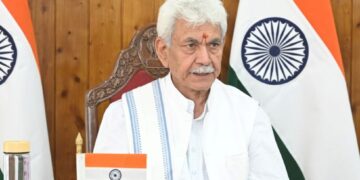
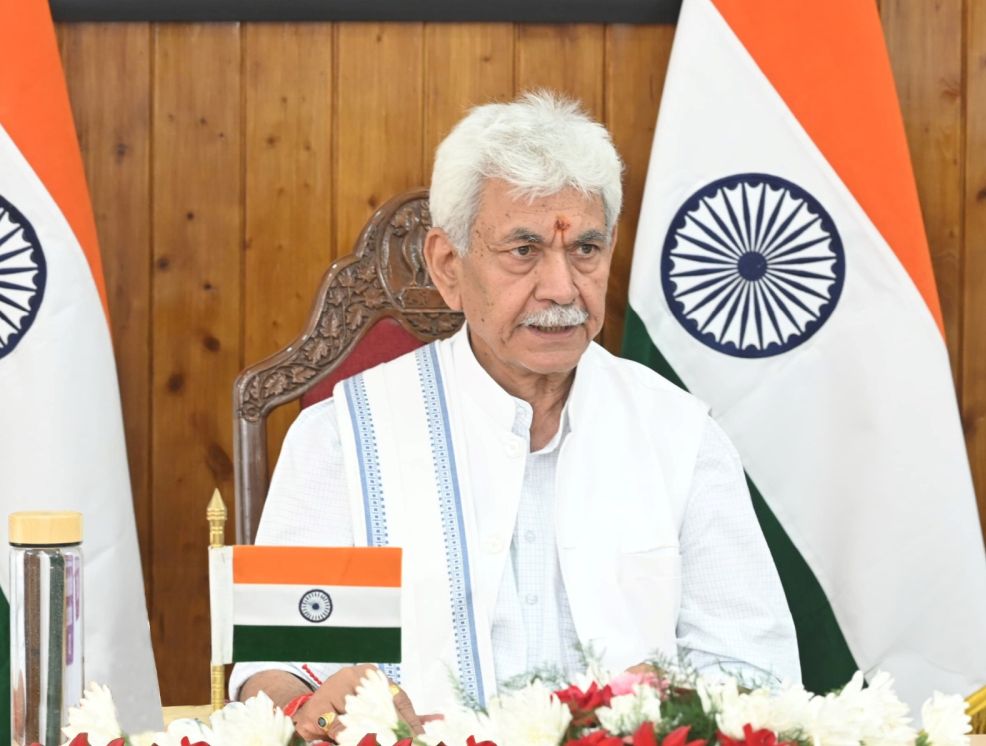
Jammu, | Sept: 21:Lieutenant Governor Manoj Sinha on Monday inaugurated a National Dialogue on “Millets for Health: Building Healthy Ecosystems, Climate-Resilient Agriculture and Sustainable Food Systems” at SKUAST-Jammu, calling for greater cultivation and consumption of millets to promote farmers’ resilience, public health and sustainable food syste
Addressing the gathering, Sinha said millets had been part of India’s agricultural traditions for centuries and needed to be brought back into mainstream food habits.
“Millets were part of our agricultural memory for centuries. The time has now come to restore them to the consciousness of society,” he said.
The Lieutenant Governor said climate change was forcing countries to rethink food systems, with future crops needing to be nutritious, economically viable for farmers and sustainable for the environment.
“Countries across the world that are facing the challenge of climate change are also realising that the food of the future will not merely be food that can be produced in large quantities. It will have to be nutritious, profitable for farmers and sustainable for the planet,” he said.
Highlighting the relevance of millets to Jammu and Kashmir, Sinha said more than 80 per cent of farmers in the region were small and marginal farmers and remained vulnerable to changing weather conditions. He said millets, which generally require less water and fewer agricultural inputs, could help reduce farming risks.
“Under the Holistic Agriculture Development Plan, we prepared a strategy three to four years ago to ensure the health of future generations, the prosperity of our farmers and the protection of our earth,” Sinha said.
“I believe that millet cultivation can give marginal farmers in Jammu Kashmir a new sense of confidence while also helping reduce the risks associated with farming,” he added.
Sinha said traditional millet cultivation had historically supported small and marginal farming communities even in the absence of modern irrigation, fertilisers and accurate weather forecasts. He said contemporary research was now providing scientific evidence for some of the traditional knowledge associated with millet cultivation.
He also highlighted the nutritional value of millets, including their dietary fibre and nutrients such as iron, calcium, magnesium and zinc, and urged households to incorporate millet-based foods into their diets.
“Millets offer us a simple lesson from nature: the solutions to many health challenges due to modern lifestyle of today lie within our own traditions,” he said.
Calling for greater economic opportunities around millets, the Lieutenant Governor stressed the need to promote value-added products, packaging, branding and entrepreneurship, particularly through women’s self-help groups and young entrepreneurs.
“I see millet’s cultivation as a powerful means of empowering women, promoting dignity and respect for women, and reviving the rural economy. The value-added products can shape the region’s next economic success story,” Sinha said.
He said India produced around 18 million tonnes of millets in 2024–25 and accounted for about 38 per cent of global production, underlining the scope for developing a