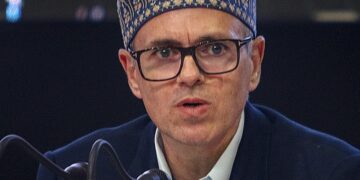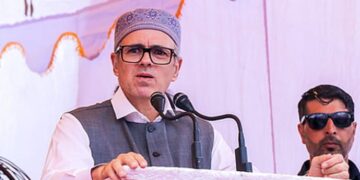
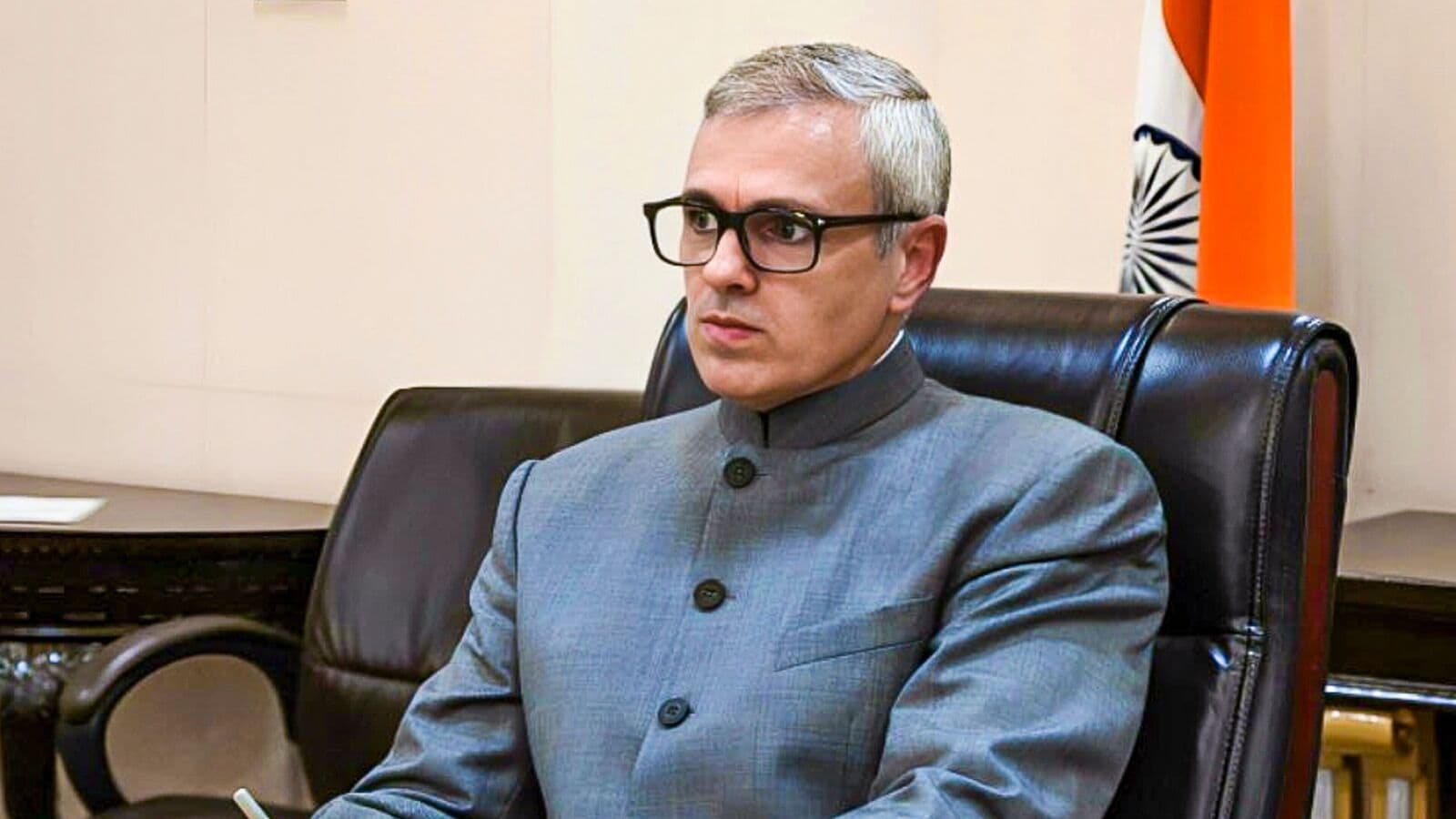
Srinagar | September, 16: Chief Minister Omar Abdullah announced on Wednesday that the upcoming seven-day Assembly session will focus on pressing public concerns, assuring that the government will ensure smooth proceedings and satisfactory answers for legislators. Speaking on the sidelines of a function, Abdullah noted that the session will cover both government legislative business and issues raised by MLAs across party lines. “There are two types of agendas in the session. One is the government’s own business, legislative. That is less in the Union Territory than in the state, but still, there is some legislative business which will be presented to the House by the government,” he stated.
Abdullah emphasized that all MLAs will have the opportunity to raise constituency-specific and regional issues. “Some bills and resolutions come, and the government tries to answer these things. It is a seven-day session. Many issues will be brought to the House,” he added, reiterating the administration’s commitment to address all queries responsibly.
Addressing reports on potential UPI transaction charges, the Chief Minister clarified that person-to-person transfers will remain free and consumers will not be charged below a certain limit. “First of all, there is no charge on the person-to-person money transfer. After that, there will be no charge on individual consumers until you cross a ceiling,” he explained. While acknowledging the high operational costs of maintaining UPI networks, he urged the Centre to spare ordinary citizens and focus fees on commercial entities. “As far as I understand, running this UPI system is not cheap. It takes a lot of money to run it. And the truth is that we do not appreciate what we get for free,” he said, adding, “The Government of India should try not to impose charges on the common people. If there is a charge on a company, I have no objection to it because the company earns better than the UPI anyway.”
On environmental degradation, Abdullah described the depletion of local water bodies as a long-standing legacy issue requiring sustained intervention. “This is not a problem of the last two years. This is a legacy issue. We will not be able to deal with it overnight. But we are working on it,” he said, noting that various government schemes are underway not only to save existing water bodies but also to expand them.