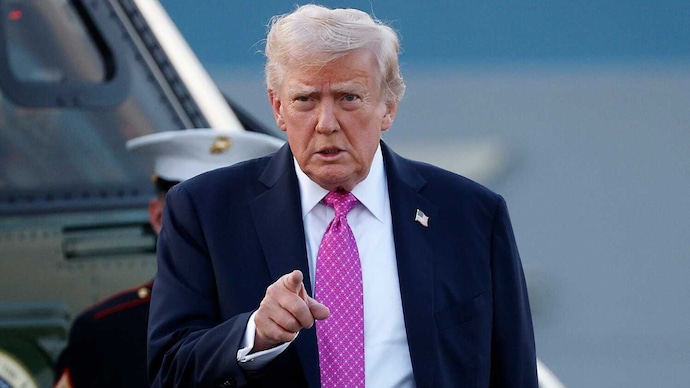
“Pipelines are being built right now. The road through Syria, which is fantastic, is being built and it’s open actually, and people are taking trucks through Syria, massive trucks with oil in it. A lot of alternatives are being made to the Hormuz Strait. The Hormuz Strait is not what it used to be … they [Iranians] are going to end up with the Hormuz Strait that’s not very necessary anymore. Pipelines are being built all over the Middle East now, so they don’t have to go through the Hormuz,” Trump told reporters.
On Thursday, Trump posted an image on Truth Social, according to which about 18 million barrels of oil per day are currently passing through the strait, compared to 20 million barrels before the conflict with Iran began.
On August 18, Trump declared the Strait of Hormuz open to shipping, but a naval blockade remains in place against Iran.
The Strait of Hormuz remains a key route for global energy trade. Amid regional tensions, shipping through it has noticeably decreased. In recent days, the number of transiting vessels has dropped to a mere handful, with large oil tankers and gas carriers virtually ceasing to use the route. Before the escalation, approximately one-fifth of the world’s oil and liquefied natural gas shipments passed through the strait.