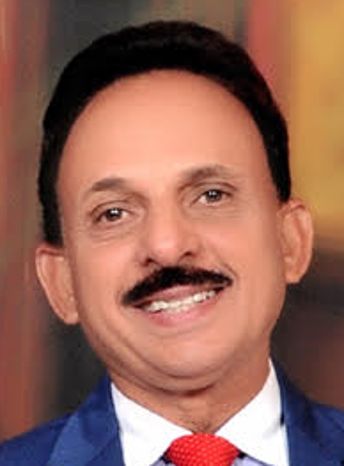
Prof R.K. Uppal
Higher education is often described as the foundation of a nation’s intellectual and economic progress. Universities and colleges are expected to nurture future leaders, scientists, entrepreneurs, policymakers, and innovators. At the heart of this mission are teachers—particularly Ph.D. and NET-qualified faculty members—who dedicate years to acquiring advanced knowledge and research expertise. Ironically, many of these highly qualified professionals are among the lowest-paid members of the organized workforce. The phrase “Brilliant Minds, Empty Wallets” captures a painful reality prevailing in many higher education institutions across India.
A Ph.D. degree requires years of rigorous research, perseverance, and intellectual commitment. Similarly, clearing the National Eligibility Test (NET) demands extensive preparation and subject mastery. Society rightly expects these teachers to deliver quality education, conduct meaningful research, mentor students, publish scholarly work, secure research grants, and contribute to institutional development. However, in many institutions, especially in the private sector, their salaries fail to reflect their qualifications, responsibilities, or contributions.
The disparity between expectations and compensation has become one of the biggest challenges facing higher education today. Many young faculty members receive salaries that are barely sufficient to meet their basic living expenses. Some earn less than professionals with significantly lower qualifications working in other sectors. Such a situation raises an important question: How can a nation expect world-class education while underpaying those responsible for delivering it?
One of the primary reasons behind this problem is the rapid commercialization of higher education. In several private institutions, education has increasingly become a business rather than a public service. Financial efficiency often receives greater attention than academic excellence. Buildings become grander, campuses become larger, marketing budgets increase, but faculty salaries remain stagnant. Teachers are viewed as expenses to be minimized rather than investments in educational quality.
The growing number of Ph.D. holders has also created an imbalance between supply and demand. Every year, universities produce thousands of doctoral graduates, while the number of permanent teaching positions remains limited. This oversupply weakens the bargaining power of qualified candidates. Institutions exploit this imbalance by offering low salaries, knowing that many applicants will accept almost any job to begin their academic careers.
Another concern is the widespread use of contractual and temporary appointments. Instead of recruiting faculty on regular positions with fair pay scales, many institutions appoint teachers on annual contracts with minimal benefits and little job security. Such arrangements keep faculty under constant uncertainty and reduce their ability to negotiate better compensation.
Ironically, the responsibilities assigned to faculty members continue to increase. Teachers are no longer confined to classrooms and research laboratories. They are expected to prepare accreditation reports, manage administrative work, participate in admission campaigns, coordinate industry collaborations, organize events, supervise projects, publish research papers, mentor students, and often perform duties unrelated to academics. Despite these expanded responsibilities, their salaries frequently remain unchanged.
“Governments, regulatory agencies, university managements, and governing bodies all share responsibility for creating a fair academic ecosystem. Salary standards should correspond to qualifications, experience, research output, and teaching responsibilities. Stronger enforcement of employment regulations and greater accountability can help eliminate exploitative practices.”
The consequences of this exploitation extend far beyond individual teachers. Low salaries adversely affect the quality of higher education itself. Financial insecurity reduces motivation, creates stress, and limits opportunities for professional development. Talented researchers may leave academia altogether in search of better-paying careers in industry, government, or overseas institutions. The result is a gradual decline in teaching quality, research productivity, and institutional reputation. Students ultimately become the biggest victims. Motivated, financially secure teachers are more likely to invest time in mentoring students, developing innovative teaching methods, and pursuing high-quality research. Conversely, teachers struggling with financial difficulties often face enormous pressure simply to sustain their livelihoods. Expecting excellence under such conditions is unrealistic.
There is also a broader national implication. India aspires to become a global knowledge economy and a leader in innovation. These ambitions cannot be realized if the academic profession loses its attractiveness. Bright students may increasingly avoid teaching careers because they perceive them as financially unrewarding. Over time, the nation risks losing some of its finest minds to other professions or other countries.
Addressing this issue requires both policy reforms and institutional responsibility. Regulatory authorities should ensure greater transparency in faculty recruitment and salary structures. Institutions must recognize that investing in teachers is not a financial burden but a strategic investment in educational excellence. Performance incentives, research support, career progression, and fair compensation should become integral components of institutional governance. Society must also change its perception. Teachers are frequently praised during public ceremonies and commemorative events, yet genuine respect is reflected not merely through words but through dignified working conditions and fair salaries. Recognition without adequate compensation is symbolic rather than meaningful.
India’s aspiration to build globally competitive universities depends fundamentally on the quality of its teachers. Laboratories, digital classrooms, and modern infrastructure are important, but they cannot substitute for motivated and capable faculty. Educational excellence begins with academic dignity. Brilliant minds should never be forced to live with empty wallets. A nation that expects its teachers to shape the future must first ensure that they can live with dignity in the present. Fair salaries are not merely an employment issue—they are an investment in the quality of education, the strength of research, and the future of the nation itself. Until qualified teachers receive the respect and compensation they deserve, the dream of building world-class higher education will remain incomplete.
(The author is Principal, Guru Gobind Singh College of Management and Technology, Gidderbaha, Punjab. The views, opinions and conclusions expressed in this article are those of the author and aren’t necessarily in accord with the views of “Kashmir Horizon”)
[email protected]