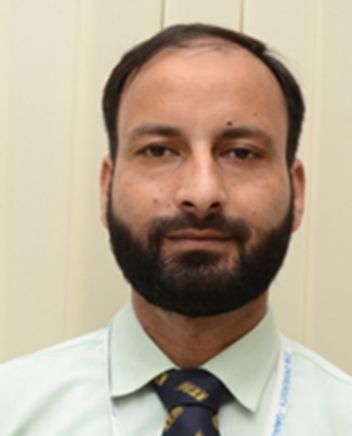
Dr. Shahid Amin
One of the most important holidays in Islam is Eid-ul-Zuha, also known as Eid al-Adha, Bakr-Eid or the “Festival of Sacrifice.” Celebrated on the tenth day of Dhul-Hijjah, the twelfth and the last month of the Islamic calendar, it marks the conclusion of the holy Hajj trip. For Muslims worldwide, it is the second of the two major Islamic holidays, after Eid-ul-Fitr, and it has great spiritual, social, and moral significance.
Known as the days of Tashreeq, the celebration usually lasts three days during which believers participate in acts of charity, prayer, and introspection. Eid-ul-Zuha is a profound reminder of submission to God’s will, sympathy for humanity, and thankfulness for divine favors. It is a very religious and devotional holiday. It unites millions of individuals across the globe in a common act of devotion, solidarity, and charity.
A Story that Inspires Generations: The compelling and ageless tale of Prophet Ibrahim (Abraham-AS), a symbol of unwavering faith and obedience, lies at the center of Eid-ul-Zuha. Islamic tradition holds that Prophet Ibrahim (AS) had a dream in which Allah gave him the order to sacrifice his cherished son, Ismail (AS). Seeing this as a heavenly order, he was ready to carry it out without hesitation. This anecdote is noteworthy not only for Ibrahim’s (AS) unshakeable faith but also for his son’s voluntary obedience to his orders. The son reacted patiently and with faith in Allah’s will, as described in the Qur’an. But Allah substituted a ram for Ismail during the sacrifice, indicating that the act of obedience had already been completed. Islamic theology is based on this incident, which emphasizes that genuine devotion is found in giving up one’s will to the Creator. By demonstrating that faith necessitates courage, trust, and a readiness to make personal sacrifices for a greater good, it continues to inspire generations.
Beyond The Act Of Qurbani: Even while the Qurbani (animal sacrifice) rite is a major part of Eid-ulZuha, the holiday’s underlying meaning goes well beyond the actual event. The sacrifice represents the readiness to part with one’s possessions in submission to God. It serves as a reminder that piety, sincerity, and intention are more important indicators of devotion than tangible gifts. A believer’s willingness to put faith above material possessions is symbolized by sacrificing an animal, such as a goat, sheep or camel etc. But selflessness, discipline, and spiritual cleansing are the deeper lessons. It urges people to give up bad qualities like ego, greed, and selfishness in favor of humility, charity, and compassion. Eid-ul-Zuha thus teaches that genuine sacrifice is about developing one’s character and fortifying one’s relationship with the Divine, rather than just giving away anything.
Rituals that Reflect Unity, Submission: Shortly after sunrise on first day of Eid, a special congregational prayer is held to mark the start of Eid-ul-Zuha. Wearing their finest clothing, Muslims congregate in large numbers at mosques or public spaces, signifying unity and cleanliness. A discourse (khutbah) that emphasizes the importance of the celebration and the ideals it upholds comes after the prayer.
On Eid Days, people wear their best ethnic clothes, which stand for happiness and celebration. Men generally wear traditional clothes such the kurta-pajama, sherwani, or pathani suits. They usually wear embroidered hats. Women dress up in beautiful outfits like salwar kameez, anarkalis, sarees, and lehengas, which are often decorated with detailed embroidery and bright colours.
Qurbani (animal sacrifice) rite is a major part of Eid-ulZuha. Those who can afford it perform the Qurbani ceremony after the prayer. A sheep suffices for one person but a camel suffices for up to seven people and the ritual of Qurbani, associated with Eid ulZuha, is performed over a span of three days. To ensure ethical treatment, the sacrificial animal must fulfill certain age and health requirements. After that, the meat is split into three portions: one for the family, one for friends and family, and one for the underprivileged. The Islamic emphasis on social duty and sharing is reflected in this organized distribution.
Muslims also recite the Takbir, or statements praising God, on certain days, which strengthens the group’s sense of devotion. Symbolic acts like the stoning of the devil, which honors Prophet Ibrahim’s (AS) rejection of temptation, are part of the Hajj ceremonies for pilgrims. When combined, these customs represent harmony, obedience, and recollection of divine direction.
“The focus on compassion and charity is among the most significant features of Eid-ul-Zuha. Even those who are less affluent can enjoy the festivities thanks to the distribution of sacrificial meat. The idea that wealth is a trust from God and should be distributed to those in need is strengthened by this deed”
Social, Cultural Harmony: Eid-ul-Zuha is both a lively social festival and a religious observance. Families join together to eat, share gifts, celebrate and deepen their love and affection. “Eid Mubarak” is a greeting that reverberates throughout homes and communities, signifying happiness and kindness. In many regions of the world, cultural customs give the celebration distinctive flavors. Eid in India is also marked by diverse regional culinary traditions. Key dishes include Sheer Khurma, Biryani, Kebabs, Mutton Stew, and Kashmiri Wazwan etc. Sweets are served to commemorate the occasion.
Known as Eidi, children frequently receive gifts or cash, which heightens the celebratory mood. Beyond family get-togethers, Eid promotes unity and inclusivity in society. To foster respect and understanding, neighbors, acquaintances, and even those of different faiths are frequently invited to participate in the festivities. In this sense, the festival fosters social cohesiveness and serves as a link between communities.
Compassion, Charity, Responsibility:The focus on compassion and charity is among the most significant features of Eid-ul-Zuha. Even those who are less affluent can enjoy the festivities thanks to the distribution of sacrificial meat. The idea that wealth is a trust from God and should be distributed to those in need is strengthened by this deed.
Giving to charity on Eid extends beyond Qurbani. To help impoverished communities, many Muslims donate cash, food, and necessities. The fundamental Islamic principles of compassion, empathy, and social justice are reflected in this spirit of giving.
Eid-ul-Zuha cultivates a sense of social responsibility by pushing people to look beyond their personal needs. It serves as a reminder to believers that encouraging others is a fundamental aspect of faith and that true happiness is found in giving.
Humanity, Sustainability, Care: Eid-ul-Zuha in the modern era encourages contemplation on sustainability and moral behavior. Strict regulations that prioritize humane treatment, reducing suffering, and upholding the sanctity of life control the process of animal sacrifice. The procedure is carried out carefully, guaranteeing the animal’s well-being and humane treatment.
Additionally, the festival promotes waste avoidance and responsible consumerism. Meat distribution ensures the effective use of resources and benefits the broader society. This is consistent with more general ethical precepts of social justice and environmental sustainability.
Conversations about animal care have also raised community awareness, leading to improved procedures and a stronger focus on moral responsibility. As a result, Eid-ul-Zuha continues to evolve into a celebration that strikes a balance between tradition and contemporary ideals such as sustainability and compassion.
Lessons for Modern Life, Humanity: The message of Eid-ul-Zuha is extremely relevant in today’s fast-paced, materialistic culture. It serves as a reminder to put morals like compassion, humility, and faith ahead of selfish interests. Prophet Ibrahim’s (AS) story inspires individuals to stick to their beliefs by teaching them to be resilient and trustworthy in the face of adversity. Additionally, the event emphasizes the value of community and group well-being. The focus on sharing and inclusivity provides a potent remedy at a time when social isolation and injustice are pervasive. It motivates people to make constructive contributions to society and create more cohesive, caring communities.Additionally, the idea of sacrifice can be applied to modern life in a number of ways, such as giving up personal comfort for a higher purpose, time for family, or resources for the underprivileged. Essentially, Eid-ul-Zuha offers timeless advice for living a healthy and purposeful life.
Eid-ul-Zuha conveys a universal message of faith, love, and selflessness that cuts beyond religious barriers. Although it has its roots in Islamic culture, people of many backgrounds can relate to its fundamental principles. The celebration teaches that genuine devotion is found in sincerity, generosity is the source of true prosperity, and serving others is the source of true success. As families gather, prayers are offered, and charitable deeds are performed, the spirit of Eid-ul-Zuha emerges as a celebration of harmony and kindness. It serves as a reminder that the spirit of sacrifice should guide our behavior throughout our lives, not just on a single day. Eid-ul-Zuha is a ray of hope that promotes peace, understanding, and humanity in a world where differences frequently cause division. Its timeless message exhorts everyone to practice selflessness, embrace faith, and spread love—values capable of transforming people and societies.I wish everyone a very Happy and Prosperous Eid-ul-Zuha. May this blessed occasion bring peace, happiness, good health, and countless blessings to you and your loved ones. Eid Mubarak!
(The author is Associate Professor at the Department of Management, President Institution’s Innovation Council, ITM Gwalior and an IIMA (FDP) Alumnus. He is also certified Business Consultant at AIMA. The views, opinions and conclusions expressed in this article are those of the author and aren’t necessarily in accord with the views of “Kashmir Horizon”)