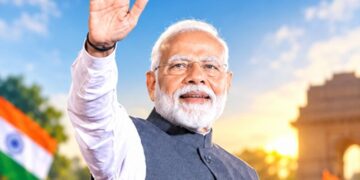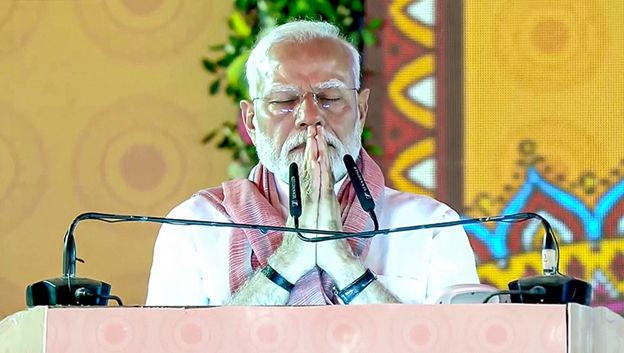
“Remembering the innocent lives lost in the gruesome Pahalgam terror attack on this day last year. They will never be forgotten. Expressing condolences to the bereaved families, The country continues to share their pain and grief,” PM Modi.
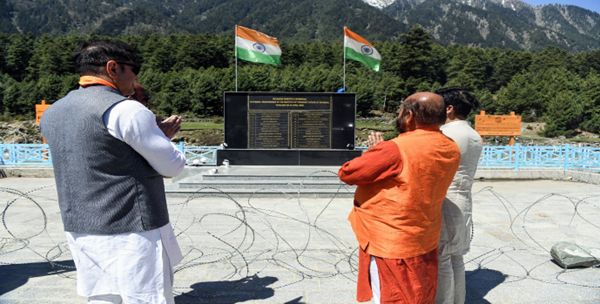
This week nation on April 22 observed the first anniversary of the Pahalgam terror attack with solemn tributes, emotional remembrance, and a renewed political consensus on combating terrorism with unwavering resolve. Across India’s top leadership from the Prime Minister to the Opposition, from the Union government to the Union Territory administration the message remained unified: the victims of the attack will never be forgotten, and India will not bow to terror. The attack, which took place on April 22, 2025, in the scenic tourist destination of Pahalgam, shook the entire country. Armed terrorists opened fire on tourists after identifying them on the basis of religion, killing 25 civilians and a local pony operator who attempted to save them. The brutality of the assault—targeting innocent civilians in a place known for peace and tourism—sparked nationwide outrage and deep grief. A year later, the memory of that day continues to resonate across Jammu and Kashmir and the rest of the country, becoming a symbol of both collective pain and national resolve.
Prime Minister Modi: “They Will Never Be Forgotten”: Prime Minister Narendra Modi led the national remembrance with a strong message of solidarity and defiance against terrorism. Paying tribute to the victims, he said the tragedy remains etched in the nation’s conscience. “Remembering the innocent lives lost in the gruesome Pahalgam terror attack on this day last year. They will never be forgotten,” the Prime Minister said. Expressing condolences to the bereaved families, he added that the country continues to share their pain and grief. “My thoughts are with the families as they cope with this loss,” he said. The Prime Minister also delivered a firm message on national security, stating that India will never yield to terror in any form. “India will never bow to any form of terror. The heinous designs of terrorists will never succeed,” he said, reinforcing the government’s long-standing position of zero tolerance towards terrorism. His statement reflected a broader national sentiment—that while the tragedy remains painful, it has only strengthened India’s determination to confront and defeat terrorism in all its forms.
Defence Minister Rajnath Singh: “Firm, Decisive Response”: Defence Minister Rajnath Singh described the attack as a “cowardly act” and said that India’s response to terrorism has evolved into one that is firm, decisive, and uncompromising. He said the country stands in full solidarity with the families of the victims and acknowledged their suffering. “India has faced decades of cross-border terrorism, but our response today is firm, decisive and unwavering,” Singh said. He further warned that any attempt to harm citizens or disrupt national unity would be met with strength and clarity. His remarks highlighted the shift in India’s security doctrine in recent years, which emphasizes proactive deterrence, precision action, and dismantling terror infrastructure across borders.
HM Amit Shah |Terrorism The “Enemy of Humanity”: Union Home Minister Amit Shah paid homage to the victims and reiterated the government’s uncompromising stance against terrorism. Describing terrorism as the “greatest enemy of humanity,” he said the grief of the victims’ families is shared by every citizen of India. “On this day, we remember the innocent lives lost in the horrific attack,” he said. Shah reaffirmed that the government will continue its fight against terrorism and those who support it, emphasizing that India’s policy remains one of zero tolerance. His statement reflected the ongoing security strategy focused on dismantling terror networks, tightening internal security, and preventing cross-border infiltration.
President, Vice-President| Unity in Grief, Resolve: President DroupadiMurmu expressed deep condolences to the families of the victims and said that such acts of violence cannot weaken India’s commitment to peace, unity, and harmony. She stated that the nation stands united in grief and determination, and that the sacrifices of innocent civilians will not be forgotten. Vice-President C. P. Radhakrishnan also paid tribute, reaffirming India’s commitment to eliminating terrorism in all forms. He said the attack serves as a reminder of the need for continued vigilance and unity in the face of threats to national security.
Opposition Leaders Join National Tribute: Across political lines, opposition leaders also joined in paying respects to the victims, reflecting a rare moment of national unity. Leader of Opposition Rahul Gandhi said the country would never forgive those responsible for the attack and expressed solidarity with the families. Congress President Mallikarjun Kharge described the incident as a tragic violation of humanity and called for unity in confronting terrorism. Congress leader Priyanka Gandhi Vadra termed the attack a “crime against humanity” and said India would neither forget nor forgive those behind it. The unified tone across political parties underscored that terrorism remains a national concern above political divisions.
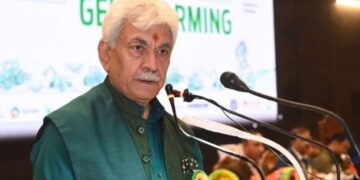
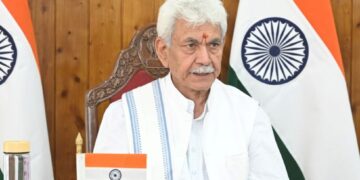
LG Sinha |“We Will Not Forget, We Will Not Forgive”: In Jammu and Kashmir, Lieutenant Governor Manoj Sinha paid solemn tribute to the victims and reaffirmed the administration’s commitment to eradicating terrorism from the region. In his official statement, he said: “Humble tributes to the innocent souls who lost their lives in the gruesome terror attack in Pahalgam on this day in 2025. Their memory endures indelibly in our hearts. My thoughts and prayers are with their families.” He added a strong message of resolve: “We will not forget. We will not forgive. This is our solemn vow. India stands unified against terrorism. We pledge unwavering commitment and resolute determination to eradicate terrorism from the soil of Jammu and Kashmir.” His remarks reflected the administration’s continued emphasis on security operations, intelligence coordination, and sustained anti-terror measures aimed at preventing any recurrence of such violence.
CM Omar | Preventing Future Attacks A Top Priority: Jammu and Kashmir Chief Minister Omar Abdullah also paid tribute to the victims on the first anniversary and emphasized that preventing such incidents remains a top priority for the government. He said the people of Jammu and Kashmir remain united against terrorism and violence, and the administration is committed to ensuring peace and stability. “One year on, we remain united against terror and violence. We are resolute in our effort to rid J&K of suffering and innocent deaths,” he said. Speaking further, he stressed the importance of coordination between the elected government, the Centre, and security agencies to ensure long-term peace. “We must do everything possible to ensure such incidents never happen again,” he said, adding that all institutions must work together with shared responsibility.
“Describing terrorism as the “greatest enemy of humanity. The grief of the victims’ families is shared by every citizen of India.On this day, we remember the innocent lives lost in the horrific attack,” HM Amit Shah.
Security, Stability| Focus on Prevention, Normalcy: CM Omar Abdullah also addressed concerns related to tourism and regional stability, acknowledging that the attack had impacted visitor confidence in Jammu and Kashmir. However, he expressed optimism that normalcy is gradually returning and tourism will recover in the coming season. He highlighted that pilgrimage routes such as the Vaishno Devi shrine and the Amarnath Yatra are expected to draw large numbers of visitors, signaling improving confidence in the region’s security environment. He said the government remains focused on restoring trust among tourists and ensuring that Jammu and Kashmir continues to be seen as a safe destination.
The Attack| A Day That Changed Everything: The Pahalgam terror attack, carried out on April 22, 2025, by The Resistance Front, an offshoot of Lashkar-e-Taiba, targeted tourists in one of Kashmir’s most visited destinations. The attackers specifically identified victims based on religion before opening fire, killing 25 tourists and a local pony operator who attempted to save them. The brutality of the attack shocked the nation and led to widespread condemnation both domestically and internationally. It also triggered heightened security measures across Jammu and Kashmir and a major reassessment of counter-terror strategies in tourist-sensitive zones.
Operation Sindoor|India’s Military Response: In response to the attack, Indian armed forces launched Operation Sindoor in May 2025, carrying out precision strikes on nine terrorist camps across Pakistan. The operation was widely viewed as a strong and calibrated military response aimed at dismantling terror infrastructure responsible for cross-border attacks. It marked a significant moment in India’s counter-terror strategy, reinforcing the message that attacks on civilians would be met with decisive retaliation.
National Message|Unity Against Terror: As tributes were paid across the country, a unified message emerged from all political and institutional voices: India stands united against terrorism. From the Prime Minister’s assertion that the victims “will never be forgotten” to the Lieutenant Governor’s vow that “we will not forget, we will not forgive,” the tone remained consistent—remembrance combined with resolve. The first anniversary of the Pahalgam attack thus became more than a commemoration. It became a reaffirmation of national unity, resilience, and determination to ensure that such tragedies are never repeated.
Kashmir Horizon View: The first anniversary of the Pahalgam terror attack has reinforced a clear national consensus that India’s response to terrorism must remain firm, coordinated, and uncompromising. The statements from top leadership—including the Prime Minister, Union Ministers, and the administration in Jammu and Kashmir—reflect not only remembrance of the victims but also a forward-looking strategy that combines security, prevention, and public resilience. The way forward, therefore, rests on strengthening both the institutional framework of counter-terrorism and the social fabric that resists extremist influence. A key priority going ahead is the continued strengthening of intelligence and security coordination. The attack exposed the need for deeper surveillance in vulnerable tourist zones and faster intelligence sharing between agencies. As emphasized by the administration, preventing repeat incidents like Pahalgam requires constant vigilance, especially in high-footfall areas such as tourist destinations, pilgrimage routes, and border districts. Security forces are expected to maintain enhanced deployment, regular area domination, and improved technological monitoring to ensure early detection of threats. Equally important is the focus on dismantling terror networks at their roots. The military response through Operation Sindoor demonstrated India’s willingness to act decisively beyond its borders against terror infrastructure. Moving forward, sustained pressure on cross-border support systems, funding channels, and recruitment networks will remain central to the counter-terror strategy. Leaders have repeatedly highlighted the nexus between terrorism and organized support systems, making it clear that isolated action is not enough; a comprehensive disruption of the ecosystem is essential. At the same time, Jammu and Kashmir’s leadership has emphasized the importance of peace-building and public participation. Manoj Sinha and Chief Minister Omar Abdullah both stressed that lasting peace cannot be achieved through security measures alone. It requires active involvement from communities, local institutions, and civil society. Efforts to strengthen tourism, restore public confidence, and ensure economic stability are crucial in preventing alienation and reducing vulnerability to radical influence. Rehabilitation and outreach also form an important part of the forward strategy. Ensuring that youth remain engaged through education, employment opportunities, and constructive activities is essential for long-term stability. The Government’s emphasis on tourism revival, pilgrimage safety, and youth participation reflects an understanding that development and security must move together. A stable and economically active Jammu and Kashmir is less likely to be vulnerable to extremist disruption.
(“Team Kashmir Horizon” is committed to continuous improvement and invites feedback and suggestions from readers and its followers on social media sites. Reader insights are considered vital for enhancing content quality and empowering the community. The team encourages open communication and values the thoughts and ideas of its audience, believing that such input will enable them to serve the public more effectively. The initiative aims to ensure that readers have the best possible experience with “Kashmir Horizon”. Interested individuals can reach out to us via email at [email protected].)