

Farhan Maqbool
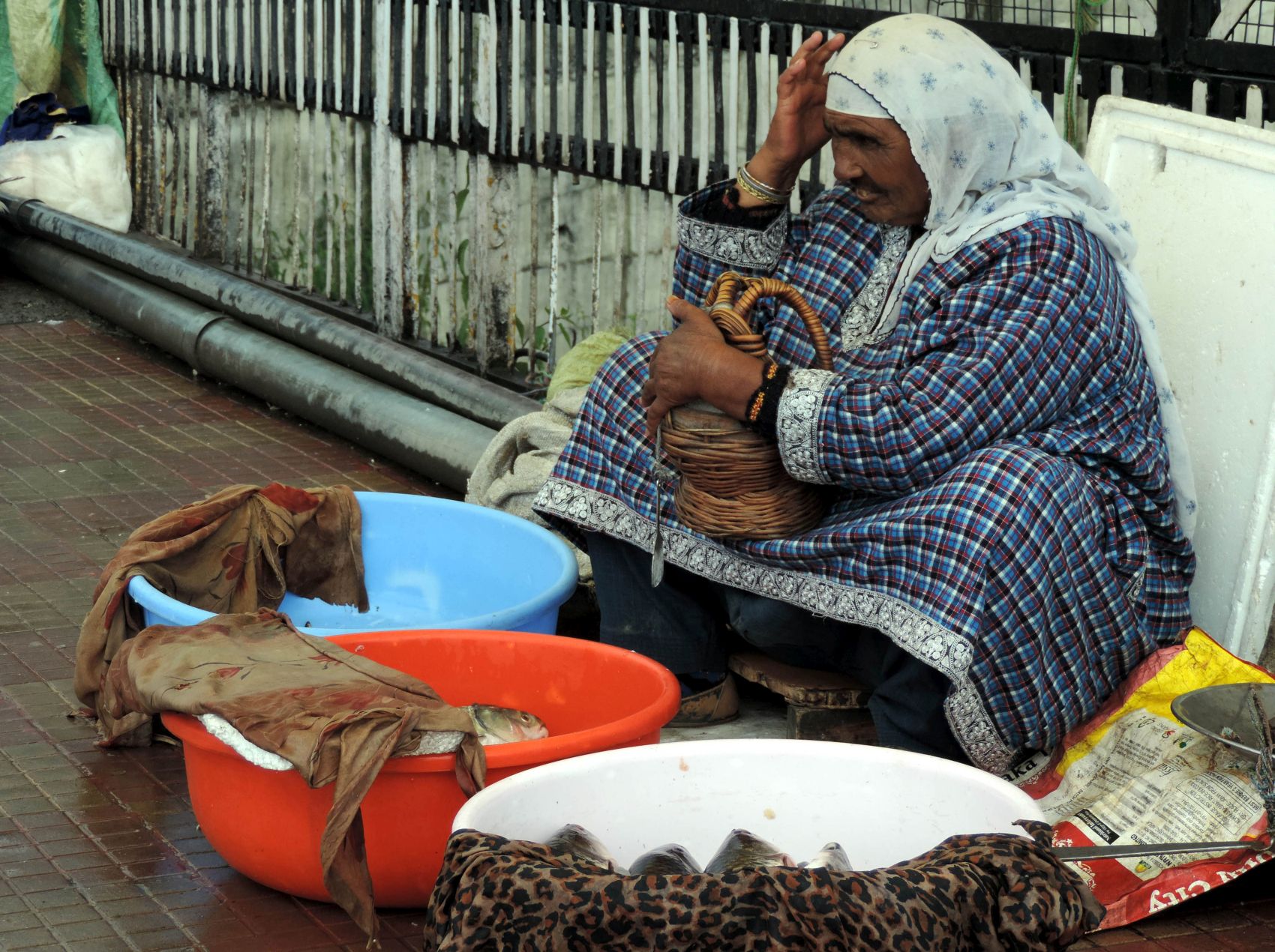
Among the various symbols that represent the rich cultural identity of Kashmir, the Kangri stands out as one of the most significant. More than just a traditional craft, it serves as a vital source of warmth, acting as a portable heater for the people of Kashmir during the harsh winter months.
This exquisite craft consists of a gorgeous earthen pot known as (kondul) filled with glowing embers and encased in intricately woven wickerwork. It is most commonly carried beneath the Pheran (the traditional Kashmiri cloak) carefully within a shawl or blanket to trap the heat against the body.
A Lifeline During Chillai-Kalan: During Chillai-Kalan, the harshest 40 day period of winter, heavy snowfall often disrupts the power supply across many areas of Kashmir. In these moments, when modern electric heaters fail, the Kangri remains a reliable and essential source of warmth. Beyond personal heating, it is also a practical household tool; people often use the gentle heat of the Kangri to dry damp clothes when the sun remains hidden for days. Modern alternatives like the Hamam have their place, the Kangri remains irreplaceable due to its artistic charm and affordability. It also holds a prestigious role in social customs; it is a long-standing tradition to present beautifully crafted Kangris as gifts to the couples during the wedding festivities in Kashmir.
A Centerpiece Of Social Life In Kashmir: Any social gathering whether it be a wedding or a Niyaz (a cultural and religious practice involving the offering of food and tea) is incomplete without the Samavar. This traditional copper kettle is used to prepare and serve Kashmiri Kahwa and Noon Chai. To keep the tea steaming hot throughout these long gatherings, the glowing embers from a Kangri are often placed inside the kettle, ensuring that every guest enjoys a warm cup of hospitality I fondly remember a special tradition from my childhood involving the Kangri. My grandmother used to nestle an egg deep into the warm embers of her Kangri to let it slowly “boil” or roast. Once it was perfectly cooked, she would feed us the warm treat. It wasn’t just about the food; it was about the warmth of her love and the unique way the Kangri brought our family together.
“The Kangri industry is a vital socio-economic pillar in rural Kashmir, relying on the collaboration between farmers and Kraals. To preserve this heritage and ensure its longevity, the government should formalize the sector through welfare support, subsidized materials, and better marketing, elevating it from a seasonal necessity to a sustainable profession”.
The Charar-e-Sharief Kangri remains one of the most celebrated varieties of the traditional Kashmiri firepot. According to local artisans, the craft has seen a significant shift in sourcing materials. While their ancestors once trekked deep into nearby forests to find high-quality wicker, today’s makers must travel to various districts-including Pulwama, Shopian, and Lar in Ganderbal-to procure the best willow for their craft. Beyond the traditional kangari, Kashmiri artisans create a wide range of beautiful, affordable, and eco-friendly wicker products. Using flexible willow reeds, these craftsmen produce everything from baskets and furniture to everyday household items.
The Ganderbal district is the heart of this craft. Its specific climate and soil are perfect for growing high-quality willow, known locally as Veer Kani, making the region the leading center for wickerwork in the valley. Developing and modernizing traditional crafts is essential for economic resilience in Kashmir. Among these, Kangri making stands out as a vital indigenous industry that sustains rural livelihoods. This craft represents a unique socio-economic synergy, interlinking the seasonal labor of farmers with the specialized expertise of Kraals (potters who craft the essential earthen liners). To ensure this heritage thrives, the government must proactively intervene by introducing robust welfare schemes and financial incentives. By formalizing this sector through subsidized raw materials and modern marketing platforms, the state can transform a seasonal survival skill into a sustainable, prestigious profession that secures Kashmir’s cultural and economic future The poet Muhammad Ulfat Anjan beautifully said O Kangri, my companion in this chill, With sweet warmth my Pherran you fill; Be with me for full forty days, Till strength is gained by weak sun rays; When you are far, my quilt turns cold, In hot blankets I myself fold; You are my ammo to fight Chillykallaan, You weaken him, cut his lifespan; Salute to you, O! Kangri, my beloved, Always with me, in seclusion and crowd…!
(The author is a freelancer. The views, opinions and conclusions expressed in this article are those of the author and aren’t necessarily in accord with the views of “Kashmir Horizon”)
[email protected]





