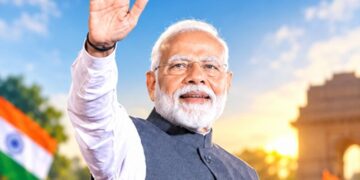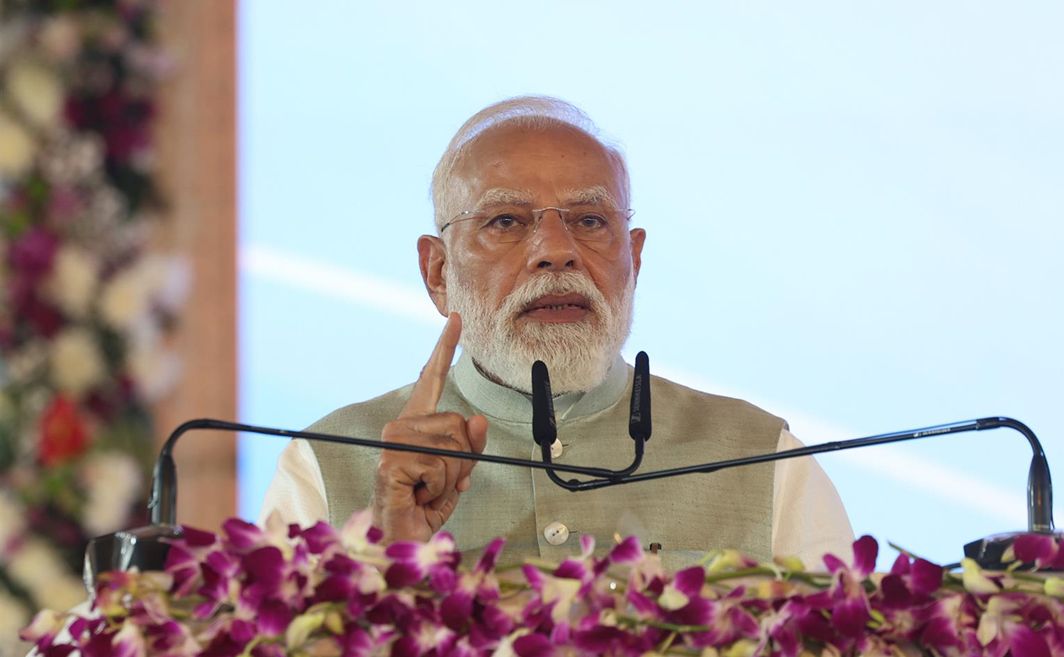
“Prime Minister Narendra Modi said the evolving situation in West Asia calls for heightened vigilance, preparedness, and a unified approach, stressing that “Team India” will effectively manage any challenges.”
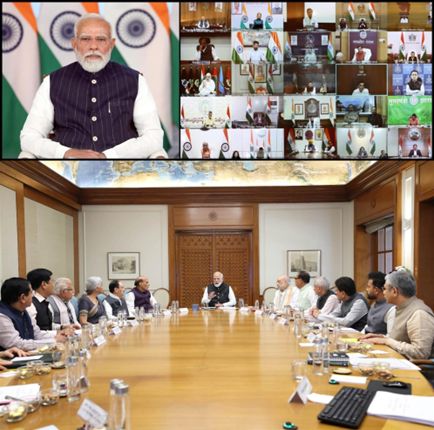
Srinagar: This week following the middle east crisis, Prime Minister Narendra Modi chaired a high-level meeting with Chief Ministers and Lieutenant Governors of States and Union Territories to review preparedness in light of the evolving situation and its potential implications for India. The meeting, held via video conferencing, reflected a coordinated national effort to assess risks, ensure stability, and strengthen response mechanisms amid global uncertainty.
Appreciation For Inputs: At the outset, the Prime Minister expressed appreciation for the valuable suggestions shared by the Chief Ministers, noting that such inputs would play a crucial role in shaping India’s response to the unfolding situation. He underscored the importance of vigilance, preparedness, and coordinated action, stating that while the global situation remains dynamic, India’s institutional strength and collective resolve position it well to navigate emerging challenges.
Learning From Past Crises: Referring to the developments in West Asia, the Prime Minister highlighted that India has prior experience in handling global disruptions. Drawing parallels with the COVID-19 pandemic, he said that the collaborative approach adopted by the Centre and States as “Team India” had helped mitigate the impact on supply chains, trade, and everyday life. He emphasized that the same spirit of cooperation would once again serve as the country’s greatest strength.
Continuous Monitoring: The Prime Minister stressed that the current situation requires continuous monitoring and adaptive strategies. He informed the participants that an Inter-Ministerial Group has been operational since early March, reviewing developments on a daily basis and taking timely decisions. He reiterated that the Government’s key priorities remain maintaining economic and trade stability, ensuring energy security, safeguarding the interests of citizens, and strengthening industry and supply chains.
Role Of States: Highlighting the critical role of States, the Prime Minister said that effective implementation of policies largely takes place at the State level. He called for constant communication and coordination between the Centre and States, along with real-time sharing of information to ensure swift and well-aligned responses. He urged all States to remain proactive and responsive, particularly in managing essential services and maintaining administrative readiness.
Supply Chain Focus: One of the key concerns discussed during the meeting was the functioning of supply chains. The Prime Minister directed States to ensure that supply chains remain smooth and uninterrupted. He called for strict action against hoarding and profiteering, warning that any attempts to exploit the situation would not be tolerated. He also advised States to activate control rooms at both State and district levels to monitor the availability and movement of essential commodities.
Agriculture Preparedness: The Prime Minister also placed special emphasis on the agriculture sector, particularly in the context of the upcoming Kharif season. He urged States to undertake advance planning, including close monitoring of fertiliser storage and distribution systems, to ensure that farmers do not face shortages or disruptions. He noted that agriculture remains a critical pillar of the economy and must be safeguarded against external shocks.
Curbing Misinformation: Addressing concerns related to misinformation, the Prime Minister cautioned against the spread of rumours and fake news, which can create unnecessary panic among the public. He stressed the importance of disseminating accurate and credible information in a timely manner. He also advised States to remain vigilant against online frauds and fake agents who may attempt to exploit the situation for personal gain.
Focus On Border Areas: Special attention was called for in border and coastal States, where the evolving situation could have implications for shipping, essential supplies, and maritime operations. The Prime Minister urged these States to strengthen monitoring systems and ensure preparedness to address any disruptions in logistics or trade routes.
Maintaining Public Confidence: Maintaining public confidence emerged as a key theme during the meeting. The Prime Minister emphasized that clear communication regarding the availability of essential commodities would help prevent panic buying and ensure stability. He encouraged States to engage with citizens proactively and reassure them about the adequacy of supplies.
Support For Citizens Abroad: The Prime Minister also highlighted the need to support Indian citizens residing in or affected by developments in West Asia. He suggested that States with a significant number of citizens in the region should activate helplines, appoint nodal officers, and establish district-level support systems. These measures, he said, would help families stay informed and receive timely assistance if needed.
Economic Resilience: In his remarks, the Prime Minister pointed out that the efforts undertaken in recent years to strengthen India’s economic resilience and supply systems are proving beneficial in the current context. He called for continued engagement with industry stakeholders and Micro, Small and Medium Enterprises (MSMEs) to address their concerns and ensure stability in production and employment.
Coordination Mechanisms: Prime Minister further emphasized the importance of robust coordination mechanisms at all levels. Regular reviews at the level of Chief Secretaries, coupled with continuous monitoring at the district level, were identified as essential steps to ensure quick and effective responses. The Prime Minister urged States to institutionalize such mechanisms to enhance preparedness and responsiveness.
Long-Term Preparedness: Looking beyond immediate challenges, the Prime Minister called for a parallel focus on long-term preparedness. He encouraged States to accelerate efforts in promoting alternative energy sources such as solar power, biofuels, and initiatives like the GOBARdhan scheme. He also stressed the importance of expanding electric mobility and piped natural gas infrastructure to reduce dependence on external energy sources.
“PM Modi urged States to stay proactive, ensure smooth availability of essential commodities, and take strict action against hoarding, profiteering, and misinformation..”
Energy Security Push: In addition, the Prime Minister highlighted the need to enhance domestic exploration of oil and natural gas. He called for active cooperation from States in facilitating exploration activities, noting that energy self-reliance would be a key factor in insulating the country from global shocks.
Team India Approach: Reiterating that the current situation is a shared responsibility, the Prime Minister expressed confidence that India would successfully overcome the challenges through collective effort. He said that the “Team India” approach—marked by unity, coordination, and determination—remains the country’s strongest asset.
Centre’s Measures: During the meeting, Defence Minister Rajnath Singh highlighted the proactive steps being taken by the government under the leadership of the Prime Minister. He noted that measures such as ensuring timely availability of LPG and reducing excise duties on petrol and diesel are aimed at providing relief to citizens and maintaining stability. He also emphasized the need for coordinated action between the Centre and States to effectively tackle the situation.
Situation Briefing: Cabinet Secretary T. V. Somanathan made a detailed presentation on the current scenario, outlining key developments and recommending steps for States to strengthen their preparedness. The presentation covered various aspects, including supply chain management, energy security, and administrative readiness.
States’ Response: Chief Ministers across the country appreciated the steps taken by the central government to address the situation. They acknowledged the leadership of the Prime Minister in ensuring a coordinated and timely response. Several Chief Ministers also praised the government’s diplomatic outreach to countries in West Asia, which they said has helped safeguard the interests of Indian citizens abroad.
Fuel , LPG Availability: The Chief Ministers expressed confidence that the situation remains stable, with adequate availability of petrol, diesel, and LPG in their respective States. They noted that monitoring mechanisms are in place to ensure uninterrupted supply of essential commodities and prevent any disruptions.
Relief Measures Welcomed: A key highlight of the discussion was the widespread support for the decision to reduce excise duty on fuel. Chief Ministers observed that this move would provide significant relief to citizens amid rising global uncertainties. They also welcomed the decision to increase the allocation of commercial LPG to States and Union Territories to 70 percent of pre-crisis levels, up from 50 percent, describing it as a timely and necessary step.
Commitment To Cooperation: The Chief Ministers reaffirmed their commitment to work closely with the Centre in managing the evolving situation. They emphasized the importance of coordination and cooperation in addressing challenges and ensuring the well-being of citizens.
Unified Response: As the meeting, there was a shared sense of confidence and determination among all participants. The discussions underscored the importance of preparedness, coordination, and proactive governance in navigating complex global scenarios. With a clear roadmap and a unified approach, both the Centre and the States signaled their readiness to tackle the challenges arising from the West Asia crisis.
Kashmir Horizon View: As India navigates the uncertainties arising from the West Asia crisis, a clear and coordinated way forward will depend on strong consultation mechanisms between the Centre and States, as well as continuous engagement with key stakeholders. Prime Minister Narendra Modi has already underscored the importance of a “Team India” approach, and this must remain central to all future actions. Going ahead, institutionalised consultation between the Union Government and States will be critical. Regular review meetings at multiple levels—political, administrative, and technical—should be held to assess the evolving situation and recalibrate responses. Platforms such as inter-state councils, zonal councils, and sector-specific task forces can be effectively utilised to ensure that States’ concerns are heard and addressed in a timely manner. Continuous coordination between Chief Secretaries, district administrations, and central agencies will help maintain seamless communication and swift implementation of decisions. A major priority in the coming weeks will be safeguarding supply chains and ensuring price stability. States must work closely with central authorities to monitor stock levels of essential commodities, including fuel, LPG, fertilisers, and food grains. Real-time data sharing systems should be strengthened to detect early signs of shortages or disruptions. Strict enforcement against hoarding and black marketing will be essential to maintain public confidence and prevent artificial scarcity. Energy security will remain a key focus area. In consultation with States, the Centre should continue to diversify energy sources and enhance strategic reserves. Efforts to promote renewable energy, electric mobility, and alternative fuels must be accelerated through joint policy frameworks and incentives. States can play a proactive role by facilitating infrastructure development and encouraging local adoption of clean energy solutions. The agriculture sector requires special attention, particularly with the upcoming Kharif season. Close coordination between central agencies, State agriculture departments, and fertiliser companies will be necessary to ensure timely availability and equitable distribution of inputs. Regular consultations with farmer organisations can also help identify ground-level challenges and address them proactively. Another important aspect of the way forward is effective communication. Both the Centre and States must adopt a unified communication strategy to provide accurate, timely, and transparent information to the public. This will help counter misinformation and reduce panic. Dedicated helplines, verified digital platforms, and coordinated media briefings can play a vital role in maintaining trust and clarity. India must also continue its diplomatic consultations with countries in West Asia and other global partners to safeguard its economic and strategic interests. Engagement with international organisations and energy markets will help anticipate risks and secure critical supplies. At the same time, support systems for Indian citizens abroad should be strengthened through coordinated efforts between the Ministry of External Affairs and State governments. Industry and MSMEs should be brought into the consultation framework to ensure that production and employment remain stable. Regular interactions with business leaders, trade bodies, and logistics providers will help identify bottlenecks and implement timely solutions.
(“Team Kashmir Horizon” is committed to continuous improvement and invites feedback and suggestions from readers and its followers on social media sites. Reader insights are considered vital for enhancing content quality and empowering the community. The team encourages open communication and values the thoughts and ideas of its audience, believing that such input will enable them to serve the public more effectively. The initiative aims to ensure that readers have the best possible experience with “Kashmir Horizon”. Interested individuals can reach out to us via email at [email protected].)