As we celebrate International Women’s Day, we honour not only achievements but also the indomitable spirit of Bharat’s women. The story of our nation has always been shaped by the strength of its women—not only in legislatures and boardrooms, but equally in homes, farms, classrooms and countless quiet spaces where they have stood as silent pillars of society.
Today, Indian women are at the forefront of the country’s transformation—advancing in education, STEM, defence and governance. From fighter pilots to grassroots leaders, women are driving inclusive and sustained national progress.
This strength is rooted in a profound historical legacy—from Savitribai Phule’s pioneering work in girls’ education to Ahilyabai Holkar’s compassionate governance. Our civilisation reveres Shakti, seeing in every woman the strength to nurture and lead. Under the leadership of Prime Minister Narendra Modi, India has moved beyond viewing women merely as beneficiaries to recognising them as leaders and drivers of development. Women-led development is no longer an aspiration—it is reflected in policy, governance and national priorities.
Behind every visible achievement also stands a silent force—the Care Economy. It is the mother who rises before dawn to nurture her family before stepping into her workplace; the wife who holds her family together with resilience in the face of adversity; and the daughter who balances her professional responsibilities while caring for ageing parents.
Much of this labour has gone unmeasured, yet it quietly sustains our homes, communities and the nation itself. Recognising this reality, the government is committed to valuing, supporting and strengthening care work as a foundation of inclusive growth.
India’s Female Labour Force Participation Rate has risen significantly—from 23.3 percent in 2017–18 to 41.7 percent in 2023–24—reflecting women’s expanding economic agency. As highlighted in the Economic Survey, greater workforce participation and stronger care services can unlock millions of opportunities for women.
In line with this vision, the Union Budget 2026–27 has made significant investments to strengthen the care ecosystem. The Gender Budget has crossed ₹5 lakh crore for the first time, reflecting the government’s commitment to women-led development.
Through a whole-of-government approach, initiatives are underway to skill 1.5 lakh caregivers, expand Working Women Hostels, upgrade Anganwadi centres for structured early childhood care, and strengthen convergence across health and nutrition systems. These measures reinforce a clear national message: when women are supported, economies accelerate.
Legal reforms such as the Code on Social Security and the Occupational Safety, Health and Working Conditions Code are strengthening crèche facilities and worker welfare, recognising childcare as an essential enabler of workforce participation. With women and children forming over 65 percent of India’s population, investment in accessible and quality childcare not only supports early development but also empowers mothers to pursue their aspirations.
Rapid urbanisation, migration and the rise of nuclear families are also reshaping traditional support systems. As informal care structures weaken, the need for accessible, affordable and quality childcare and family services is becoming increasingly critical.
Investing in the care economy advances multiple national priorities simultaneously. It enhances women’s workforce participation, strengthens child development, supports elderly wellbeing and generates dignified employment opportunities. When care systems are institutionalised, women gain agency, families gain stability and the nation gains momentum.
As Bharat moves towards the vision of Viksit Bharat @2047, we must recognise a fundamental truth: sustainable growth rests on strong social foundations. The care economy is one such foundation.
On this International Women’s Day, we reaffirm our commitment to ensuring that the invisible labour of care is valued, supported and strengthened. Our vision of a women-led Viksit Bharat is one where every woman has the opportunity, dignity and institutional support to realise her full potential—not merely as a participant in development, but as its leader.
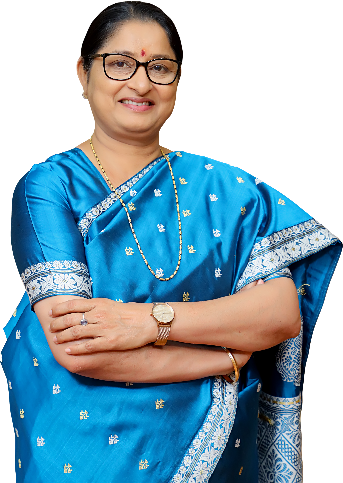
(The author is Union Minister for Women and Child Development, Government of India.)