Muzamil Nazir
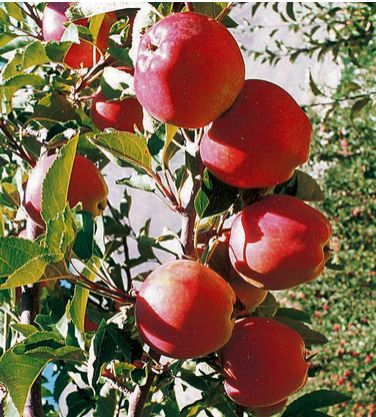
Shopian/Pulwama: Apple growers in South Kashmir say changing weather patterns are increasingly affecting apple cultivation in the region, raising concerns about the future of the Valley’s key horticulture sector.
Farmers in the apple-growing districts of Shopian and Pulwama said warmer winters, reduced snowfall and irregular rainfall are disrupting the natural growth cycle of apple trees. The region’s economy largely depends on apple farming, which provides livelihood to thousands of families including orchardists, labourers, traders and transporters.
Experts say apple trees require a certain number of “chilling hours” during winter to ensure proper flowering in spring. However, farmers said winters have become milder in recent years, affecting the chilling requirements and leading to weaker blossoms and uneven fruit development.
Orchardists said flowering patterns have also become irregular. Some trees bloom earlier than usual while others show delayed growth. Sudden temperature changes during spring have also damaged blossoms in several orchards, reducing fruit production.
Untimely rainfall has emerged as another challenge. Farmers said heavy rain during flowering or early fruit development can wash away pollen and damage blossoms, affecting yields.
The impact of unpredictable weather was clearly visible during the 2025 harvest season when prolonged rainfall affected orchards across Kashmir. Continuous rain during harvesting weeks led to heavy fruit fall in many areas and damaged the quality of apples.
Farmers said excess moisture caused spots and rot on apples, lowering their market value. In some orchards, a large quantity of fruit fell prematurely, leading to financial losses.
Growers also reported an increase in pests and fungal diseases due to warmer and wetter conditions. They said the need for frequent pesticide sprays has raised production costs.
Rising expenses on fertilizers, pesticides and labour have further added to the pressure on farmers. When yields decline due to bad weather, it becomes difficult for growers to recover these costs.
Experts warn that rising temperatures and erratic rainfall may continue to affect apple production in the coming years. Officials say steps are being taken to help farmers adapt through modern orchard practices and improved irrigation systems.
However, many growers remain worried about the future of apple farming, which has supported generations of families in South Kashmir. They say the changing climate has made the once stable crop increasingly uncertain.