Minister announces Viksit village in every Assembly Constituency
House passes grants for Agriculture Production, Rural Dev, Cooperative and Elections Deptts
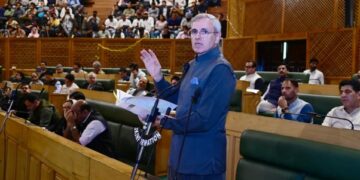
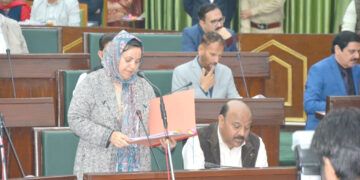
Jammu : The Jammu and Kashmir Legislative Assembly on Tuesday passed grants totalling Rs. 4,56,569.56 lakh for Rural Development and PR, Rs. 2,42,386.40 lakh for Agriculture, Rs. 1,16,040.98 lakh for Animal and Sheep Husbandry, Rs. 69,648.23 lakh for Horticulture, Rs. 20,620.56 lakh for Fisheries, Rs. 26,611.42 lakh for Cooperatives and Rs. 36,126.71 lakh for the Election department. The grants were passed through a voice vote after day long deliberations by the Legislators in the House.
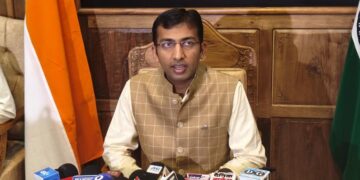
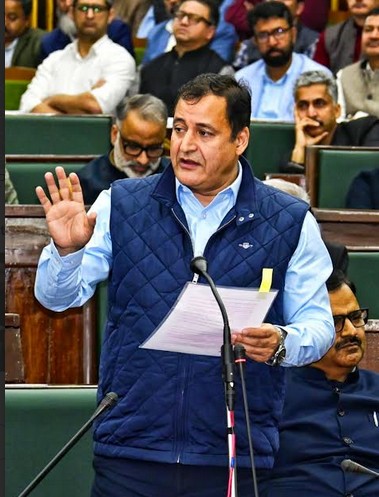
Winding up the discussion on demand of grants the Minister for Agriculture Production, Javid Ahmed Dar, emphasized the critical role of agriculture and allied sectors in Jammu and Kashmir’s economy, highlighting their contribution of ₹41,273 crore, which represents 19% of the State Gross Domestic Product (SGDP). He noted that horticulture, livestock, and core agriculture are key components, with horticulture alone accounting for 41% of the sector’s contribution. The government is implementing a dual strategy to enhance agricultural infrastructure and empower farmers through various initiatives, including flagship schemes like the High-Density Plantation Scheme and Integrated Dairy Development Scheme. The Minister reported significant advancements in agricultural practices, including a shift towards a diversified, climate-smart model. Notable achievements include an expansion of net cultivable area by nearly 80,000 hectares and the establishment of 332 hi-tech greenhouses, which have increased cropping intensity to 250%. The promotion of oilseeds has nearly doubled production, while honey production has also seen substantial growth due to the distribution of bee colonies and the establishment of processing units.
The horticulture sector remains a government priority, with plans to expand high-density plantations and improve planting material self-sufficiency through new nurseries and gene banks. The government aims to increase fruit production significantly by 2029-30 and has introduced a weather-based insurance scheme to protect farmers from climate-related risks. In the dairy sector, the establishment of new dairy units and the import of high-quality livestock are set to enhance productivity and farmer incomes. The government is also focusing on digital empowerment in agriculture, launching various online platforms to improve transparency and access for farmers. Looking ahead, the Minister announced ambitious plans for the upcoming financial year, including the Aromatic and Medicinal Plants Mission and significant investments in Controlled Atmosphere storage and milk processing facilities. These initiatives aim to modernize the agricultural landscape, promote sustainable practices, and enhance the livelihoods of farmers and rural youth in Jammu and Kashmir.