Saboor Ahmed
Srinagar: Kashmir’s snow-fed rivers, tranquil lakes, thick forests and sacred pilgrim routes have long shaped the Valley’s character. Today, however, environmental stress and a warming climate are altering this delicate Himalayan landscape faster than ever before. Retreating glaciers, declining wetlands and erratic weather patterns point to growing vulnerability—yet alongside these changes, community-led conservation efforts and youth-driven campaigns are beginning to take root.
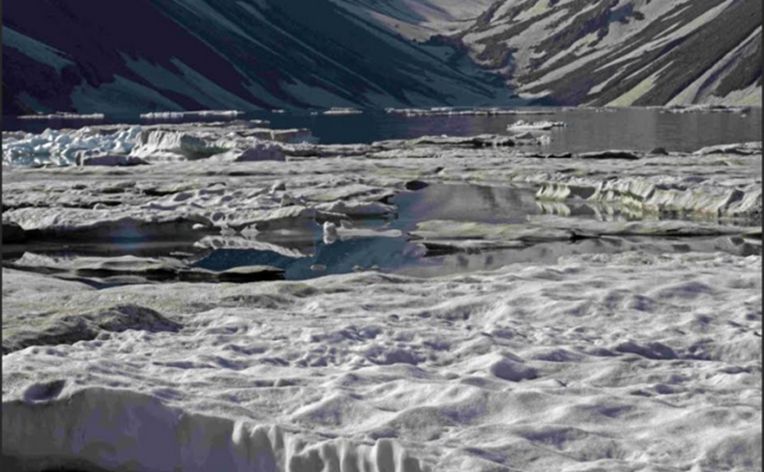 Glaciers in Retreat, Rivers at Risk: Across the Pir Panjal and Greater Himalayan ranges, glaciers that once seemed permanent are steadily losing mass. Scientists say rising average temperatures are hastening the melt, affecting major waterways such as the Jhelum and its tributaries that sustain agriculture and daily life downstream. In the orchards and paddy fields of south Kashmir, farmers say the impact is already evident. “Earlier, meltwater flowed evenly through the summer months,” says Abdul Rashid, an apple grower from Pulwama. “Now we face sudden floods in spring and shortages later. Our crops are under pressure.” Hydrologists warn that such uneven melting can trigger flash floods in the short term while weakening long-term water availability—an unsettling prospect for a region where farming supports most rural families.
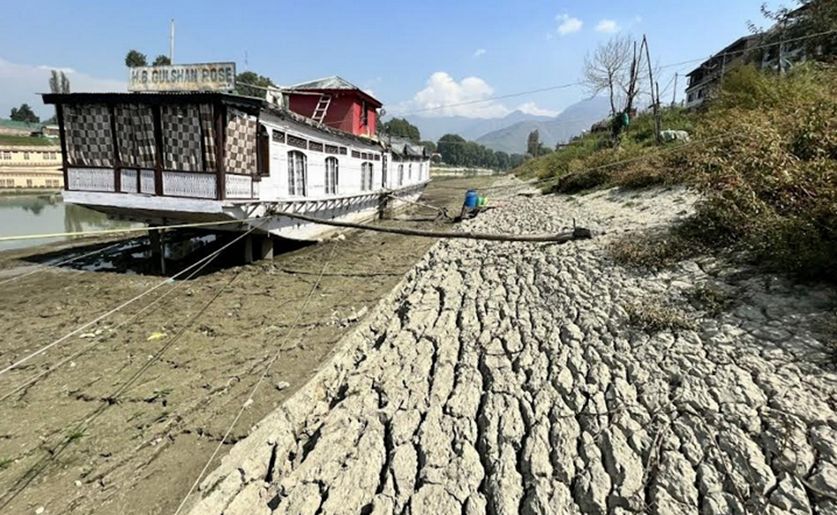
Wetlands Under Pressure: Kashmir’s iconic lakes and marshes—Dal, Wular, Hokersar and Anchar—once acted as natural buffers against floods and provided habitat for migratory birds. Today, many are shrinking under the combined weight of encroachment, untreated sewage, plastic pollution and unregulated construction. “These wetlands function like the Valley’s kidneys,” says ecologist Dr. Nisar Ahmad. “They purify water and absorb excess flow. Losing them would mean more frequent urban flooding and serious ecological damage.” Recent satellite assessments indicate a sharp decline in water spread across several lakes, strengthening demands for large-scale restoration programmes and tighter enforcement of environmental laws. As Kashmir grapples with these challenges, activists and local volunteers are stepping forwardwith clean-up drives, awareness campaigns and efforts to curb plastic use. Their work, though modest in scale, signals a growing resolve to protect a landscape that remains central to the Valley’s economy, culture and identity: