

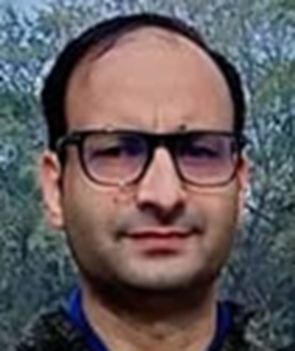
Our Pheran is lajawab—timeless and beyond comparison. Old in age, yet modern in spirit.
I am writing this article wrapped in a ‘pheran’—feeling its warmth, its comfort, and its quiet strength. There exists a garment in our paradise, Kashmir, that is far more than cloth. The pheran is not stitched merely for warmth; it is woven with history, dignity, and belonging. It is culture made wearable. It is identity wrapped gently around the body. To wear a ‘pheran’ is to carry our homeland, Kashmir, with us. The first gift of a pheran is warmth—deep, honest warmth that protects against unforgiving winters. When paired with the kangree, it becomes a moving shelter, allowing one to walk through snow and frost with calm resilience and grace. Even when one has weighty items to carry, the pheran makes it comfortable—whether on the back or shoulder—softening the burden while keeping the body warm. It adapts quietly to the needs of everyday life. But the warmth of a pheran is not only physical—it is emotional.
There is a quiet happiness in seeing someone outside Kashmir wearing it, a gentle reassurance that culture is alive and respected. In my neighborhood here in Gwalior, in the state of Madhya Pradesh, lives an eminent Kashmiri professor who wears the pheran regularly. In that simple act lies immense power. It speaks without words. It reflects confidence, dignity, and continuity. That is the strength of culture when it is worn with pride by each and every precious member of Kashmir. The pheran is not limited to being worn—it becomes part of daily life. Children can be gently placed under it for warmth, protected from winter’s bite. It can be folded into a pillow, spread as a cover, or used like a bed sheet to guard little ones from the cold. It carries groceries from the market, shields the body from icy winds, and serves the household quietly and faithfully. Few garments in the world offer such versatility. The pheran does not ask to be admired—it simply serves.
“International Pheran Day celebrates the garment as a vital symbol of cultural identity. It serves as a call to cherish, protect, and pass down this heritage, emphasizing that the pheran is not merely clothing, but a core part of the people’s soul and history.”
This pheran is lajawab—timeless and beyond comparison. Old in age, yet modern in spirit. For women, the addition of tila embroidery transforms it into an expression of elegance and art. Each stitch reflects tradition, patience, and inherited craftsmanship. Fashion trends fade, but the pheran remains. It does not need validation. It stands rooted, dignified, and relevant—proving that tradition and modern life can coexist beautifully. As a parent who has lived outside Kashmir with family for a long time now, I believe it is my responsibility to wear the pheran—at least sometimes—so that my children see it not as something forgotten or outdated, but as something valued and respected. Children learn not only through words, but through what they observe.
When they see their parents wearing the pheran with pride, they begin to understand its worth. They learn that culture is not something to be hidden, but something to be celebrated. Through this simple act, they grow up appreciating their roots and feeling proud of who they are. This is how traditions survive—not through force, but through example. The beauty of our country lies in its diversity—different cultures, languages, and traditions existing together in harmony. The pheran represents one such cultural identity: strong in itself, yet respectful of others. Wearing a pheran does not divide—it enriches. It reminds us that unity does not mean sameness. True unity allows every culture to shine while standing together as one nation. International Pheran Day is more than a celebration—it is a reminder to love what belongs to us, to protect what defines us, and to pass it on with pride. Because the pheran is not just what we wear. It is who we are.
(The author is Associate Professor, Department of Management, President Institute’s Innovation Council at ITM Gwalior. He is an IIMA (FDP) Alumnus and AIMA Certified Business Consultant. The views, opinions and conclusions expressed in this article are those of the author and aren’t necessarily in accord with the views of “Kashmir Horizon”)





