Srinagar : The HADP Project No. 13, focused on the “Adoption and Promotion of Integrated Farming System (IFS)/Integrated Livelihood Systems (ILS)” on Thursday conducted a three-day capacity building training program from August 26 to 28, 2025, at the Faculty of Agriculture, Wadura, SKUAST-K.
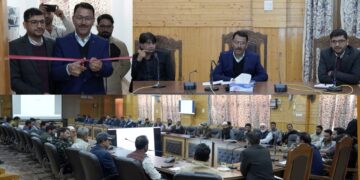
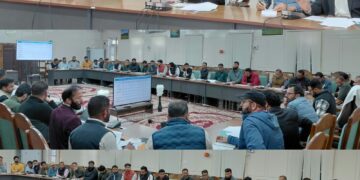
The program aimed to enhance farmers’ knowledge and skills in integrated farming practices, targeting improvements in farm productivity, profitability, and resource use efficiency for sustainable livelihoods. Thirty farmers from the Rohama cluster of block Watergam Sopore participated actively in the training, which included interactive lectures, technical sessions, and practical demonstrations. Key topics covered were crop diversification strategies, integrated nutrient and pest management, protected cultivation, high-density orchard-based IFS models, livestock and fisheries integration, mushroom cultivation, and the role of apiculture in income diversification. A significant focus was placed on resource recycling and enterprise selection within IFS to promote sustainable and profitable farming. Dr. A. A. Saad, Professor of Agronomy, welcomed participants, while Prof. Shakeel Ahmad Mir, Dean of the Faculty of Agriculture, served as the Chief Guest during the valedictory function. He underscored the importance of integrated farming systems in optimizing farm resource utilization, mitigating risks, generating rural employment, and achieving the objective of doubling farmers’ income. He highlighted that integrating various enterprises such as crops, livestock, fisheries, and horticulture can enhance resilience in farming communities. Participants expressed satisfaction with the technical knowledge gained and showed a strong interest in implementing integrated farming practices in their fields. The event concluded with the distribution of certificates to the farmers, and Dr. Tahir Ahmad Sheikh, Assistant Professor in the Division of Agronomy, delivered the vote of thanks. The Faculty of Agriculture, Wadura, reiterated its commitment to continue such initiatives under HADP to empower the farming community and promote sustainable livelihood systems in Jammu and Kashmir.