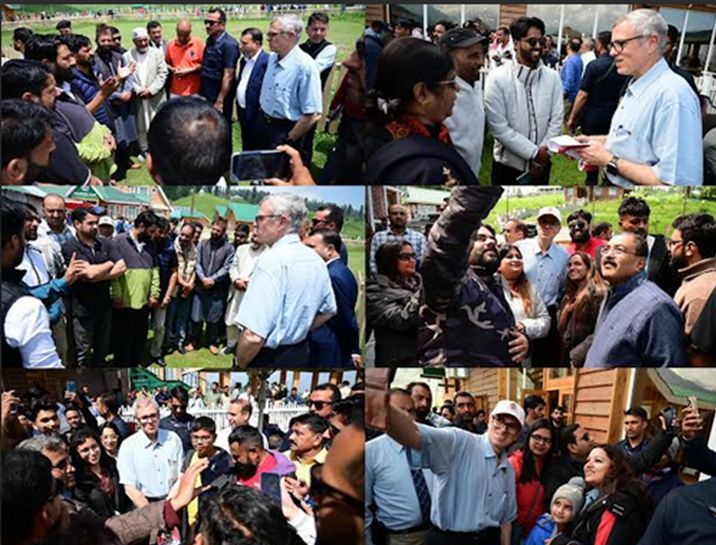
[“The April 22 attack caused a significant drop in tourist arrivals, impacting local businesses, hospitality services, and ancillary sectors. Recognizing this, the government launched a focused campaign to restore confidence and revive tourism. In a historic and symbolic move, Omar Abdullah held a cabinet meeting in Pahalgam itself, signaling a commitment to restore normalcy and strengthen governance close to the people. His visit to tourist sites, where he interacted with visitors and locals, served as a message of reassurance and encouragement.”]
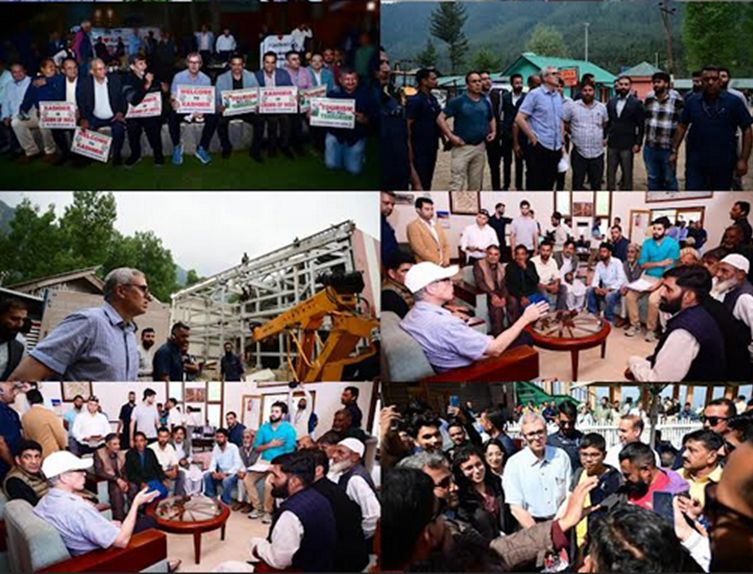
In the aftermath of the attack, the leadership of Chief Minister Omar Abdullah stood out for its calm, compassionate, and proactive response. His administration swiftly took measures to address immediate security concerns, support victims’ families, and chart a clear path for Jammu and Kashmir’s revival, especially focusing on the vital tourism sector. The government’s comprehensive response, the strengthening of security measures, initiatives to restore confidence among tourists, and the ongoing development efforts aimed at creating lasting peace and prosperity in Jammu and Kashmir.
Immediate Response, Strengthening Security: The attack on Pahalgam triggered an immediate response from the government and security forces. Omar Abdullah’s administration prioritized the safety of citizens and tourists by deploying additional paramilitary and police forces to sensitive locations, especially tourist hotspots including Pahalgam, Gulmarg, and Srinagar. The government also accelerated intelligence gathering and enhanced coordination between multiple security agencies to prevent any further incidents. Key initiatives included establishing quick reaction teams, installing advanced surveillance cameras, and increasing patrolling in vulnerable areas. Special attention was given to creating secure zones around tourist areas to reassure visitors and residents alike. He emphasized that the government’s foremost duty was to protect lives and ensure that Jammu and Kashmir remain a safe destination for all. In a significant step, the government announced plans to build a memorial in Pahalgam to honor the victims of the attack, symbolizing the resilience of the people and the resolve to overcome violence. This memorial is not only a tribute but also a reminder of the collective commitment to peace.
Compassionate Governance, Support for Victims: Alongside security measures, the administration launched comprehensive support programs for the families of those affected by the tragedy. Financial aid, counseling services, and rehabilitation assistance were swiftly provided. Omar Abdullah personally visited the families of the victims, offering condolences and assuring them of the government’s support. The administration also coordinated with healthcare facilities to improve emergency response infrastructure, including trauma centers in Srinagar and Pahalgam. These efforts aimed to ensure that medical help is readily available in times of crisis, thereby building confidence among both locals and tourists.
Tourism Revival;The Economic Lifeline: Tourism has long been the economic lifeline of Jammu and Kashmir, supporting livelihoods for thousands of families across the region. The April 22 attack caused a significant drop in tourist arrivals, impacting local businesses, hospitality services, and ancillary sectors. Recognizing this, the government launched a focused campaign to restore confidence and revive tourism. In a historic and symbolic move, Omar Abdullah held a cabinet meeting in Pahalgam itself, signaling a commitment to restore normalcy and strengthen governance close to the people. His visit to tourist sites, where he interacted with visitors and locals, served as a message of reassurance and encouragement. The government rolled out several measures to improve infrastructure, such as upgrading roads leading to tourist destinations, enhancing cleanliness and sanitation, and ensuring reliable communication networks. Efforts were also made to improve emergency medical facilities at key tourist spots, addressing one of the key concerns for travelers. Supporting small businesses and local operators was a priority. The administration launched financial assistance schemes and skill development programs for local guides, homestay owners, shikara drivers, and other tourism-related workers who had been adversely affected by the decline in visitors. Educational initiatives were also introduced to engage local youth in tourism activities, encouraging them to become ambassadors of their own heritage and environment. Such programs help cultivate a sense of pride and involvement among the younger generation.
Boosting Infra, Connectivity: To support both security and tourism revival, the government accelerated the implementation of infrastructure projects. Mobile network coverage was expanded to cover remote areas, ensuring better connectivity for tourists and residents. Broadband internet access improvements also enabled local businesses to market themselves more effectively, tapping into wider markets through digital platforms. Road connectivity projects were fast-tracked, with special emphasis on routes to Pahalgam, Gulmarg, and other tourist destinations. The government also focused on improving public transport facilities, making travel easier and more comfortable for visitors. Additionally, basic amenities such as water supply, electricity, and sanitation facilities were upgraded in towns and villages around tourist hubs. These improvements not only enhanced the visitor experience but also improved the quality of life for local residents.
Promoting Cultural, Religious Tourism: Jammu and Kashmir’s rich cultural and religious heritage forms an essential part of its tourism appeal. The government under Omar Abdullah has sought to highlight this diversity by organizing and promoting festivals, fairs, and cultural events that showcase local traditions, handicrafts, music, and cuisine. Special efforts were made to revive pilgrimage routes, such as those to the Amarnath Cave and Vaishno Devi shrines, with added safety and convenience measures for devotees. These religious tourism initiatives complement the scenic and adventure tourism attractions and contribute significantly to the local economy.
Unity,Resilience; A Collective Response: The Pahalgam attack elicited an outpouring of solidarity across Jammu and Kashmir and the rest of India. People from all walks of life condemned the violence and reaffirmed their commitment to peace and harmony. Omar Abdullah praised this collective spirit and called on citizens to stand united against any attempts to disrupt peace. Community engagement programs and peacebuilding initiatives have been prioritized to strengthen social cohesion. The government has encouraged dialogue and interaction among different communities to foster mutual understanding and cooperation.
Economic Diversification, Employment Generation: While tourism remains a major economic driver, the government is also focusing on diversifying Jammu and Kashmir’s economy to reduce vulnerabilities. Investment in sectors such as horticulture, handicrafts, information technology, and education is being promoted. Job creation schemes and entrepreneurship development programs aim to provide sustainable livelihoods for youth. These measures help reduce economic dependence on tourism alone and contribute to a more resilient economy.
Environmental Sustainability, Responsible Tourism: Jammu and Kashmir’s fragile ecology demands careful stewardship. The government has emphasized environmental sustainability as a core principle in tourism development. Efforts include promoting eco-friendly practices, waste management, and conservation of natural resources. Public awareness campaigns educate tourists and locals about responsible tourism. The administration also collaborates with NGOs and environmental groups to protect wildlife and maintain the cleanliness of lakes, forests, and mountains.
Lasting Peace, Progress: Chief Minister Omar Abdullah’s approach to governance highlights the importance of stability, development, and inclusive growth. By combining enhanced security measures with socio-economic initiatives, his administration aims to create an environment where people can live, work, and visit in safety and confidence. Regular engagement with local communities ensures that development plans align with the needs and aspirations of residents. The government’s emphasis on transparency and accountability builds trust and strengthens democratic processes.
Encouraging Domestic, International Tourism: To further boost tourism, the government has been actively promoting Jammu and Kashmir in national and international tourism fairs and media. Campaigns highlight the region’s unique natural beauty, cultural heritage, and adventure opportunities such as trekking, skiing, and river rafting. Visa facilitation measures and streamlined procedures have been introduced to encourage foreign tourists. Partnerships with airlines and travel agencies help provide better connectivity and affordable travel packages.
Education, Skill Development: Recognizing the importance of human capital, the government has invested in education and vocational training to prepare youth for employment in emerging sectors. Tourism and hospitality management courses are being expanded, equipping locals with skills to improve service quality and competitiveness. Scholarship programs and career counseling services help talented students pursue higher education and professional opportunities both within and outside Jammu and Kashmir.
The Role of Technology in Governance, Development: Omar Abdullah Government has embraced technology as a tool for efficient governance and development. Digital platforms facilitate citizen services, grievance redressal, and dissemination of information. In tourism, technology aids in online bookings, virtual tours, and real-time updates on weather and safety conditions. Security agencies use advanced tools for surveillance and rapid response, enhancing overall preparedness.
“Economic diversification beyond tourism will be critical. Expanding sectors such as horticulture, handicrafts, information technology, and education can provide new avenues for employment and income generation. Encouraging entrepreneurship, especially among youth and women, through accessible credit and training programs will help create a vibrant and self-reliant local economy. The government’s continued investment in infrastructure—roads, digital connectivity, health care, and education facilities—will be crucial in supporting these economic activities and improving quality of life. Tourism revival must be sustained through ongoing marketing and promotion efforts, both domestically and internationally, highlighting Jammu and Kashmir’s unique natural and cultural assets. Responsible and eco-friendly tourism practices will protect the environment and ensure the long-term viability of the sector. Partnerships with private enterprises, local communities, and NGOs can foster innovation and sustainability in tourism offerings.”
Challenges, Opportunities: While the journey toward peace and prosperity continues, challenges remain. The government acknowledges the need for sustained efforts to address socio-economic disparities, youth unemployment, and infrastructure gaps. However, the resilience of the people and the commitment of the leadership provide a strong foundation. Continued collaboration among government, security forces, civil society, and local communities is key to ensuring that Jammu and Kashmir thrives as a peaceful, prosperous, and welcoming region. The April 22 Pahalgam attack was a tragic event that deeply affected Jammu and Kashmir, yet it also strengthened the resolve to build a better future. Chief Minister Omar Abdullah’s leadership has been characterized by empathy, action, and a clear vision for peace and progress. By prioritizing security, supporting victims, reviving tourism, and investing in development, the government has taken significant strides to restore confidence and pave the way for sustainable growth. Jammu and Kashmir stands poised to reclaim its status as one of the world’s most beautiful and peaceful destinations—a land of breathtaking landscapes, rich culture, and warm hospitality. As the region moves forward, the collective hope is for lasting peace, inclusive development, and a bright future where the people of Jammu and Kashmir can live with dignity and pride.
Kashmir Horizon View: Looking ahead, Jammu and Kashmir stands at a crucial juncture where the consolidation of peace and development must be pursued with unwavering commitment and strategic vision. The way forward involves building on the foundations laid in the wake of the Pahalgam tragedy and deepening efforts to strengthen security, expand economic opportunities, and enhance social harmony. Security will continue to be a paramount priority, with ongoing modernization of surveillance systems, enhanced intelligence coordination, and community policing playing vital roles. Ensuring that tourists and residents alike feel safe requires a proactive, responsive, and transparent approach from security forces and governance institutions. Simultaneously, economic diversification beyond tourism will be critical. Expanding sectors such as horticulture, handicrafts, information technology, and education can provide new avenues for employment and income generation. Encouraging entrepreneurship, especially among youth and women, through accessible credit and training programs will help create a vibrant and self-reliant local economy. The government’s continued investment in infrastructure—roads, digital connectivity, health care, and education facilities—will be crucial in supporting these economic activities and improving quality of life. Tourism revival must be sustained through ongoing marketing and promotion efforts, both domestically and internationally, highlighting Jammu and Kashmir’s unique natural and cultural assets. Responsible and eco-friendly tourism practices will protect the environment and ensure the long-term viability of the sector. Partnerships with private enterprises, local communities, and NGOs can foster innovation and sustainability in tourism offerings.
(In commitment to continuous improvement the “Team Kashmir Horizon” invites it’s valuable readers to share their valuable feedback and suggestions with the “Team Kashmir Horizon”. The insights of readers will surely play a vital role in improving the content quality of “Kashmir Horizon” and contribute more for the empowerment of people. Please feel free to reach out to us at editor@ thekashmirhorizon.com. Team “Kashmir Horizon” eagerly anticipates thoughts and ideas of it’s readers, which will help us serve people and even more effectively. The inputs of valuable readers are highly valued as “Kashmir Horizon” strives to provide it’s readers the best possible experience.)