“Chief Minister’s message lays an uncompromising emphasis on pilgrim safety. “Our paramount priority is the secure return of every pilgrim,” Abdullah declared emphatically. “Civil preparations are progressing on schedule, and on the security front, all necessary measures will be implemented without compromise.” The Kheer Bhawani Mela, scheduled for June 3, is poised to unfold with enhanced infrastructure and crowd management protocols, followed by the Amarnath Yatra — a pilgrimage renowned for its spiritual sanctity and challenging terrain — which will be meticulously managed across both the Sonamarg-Baltal and Pahalgam routes.”
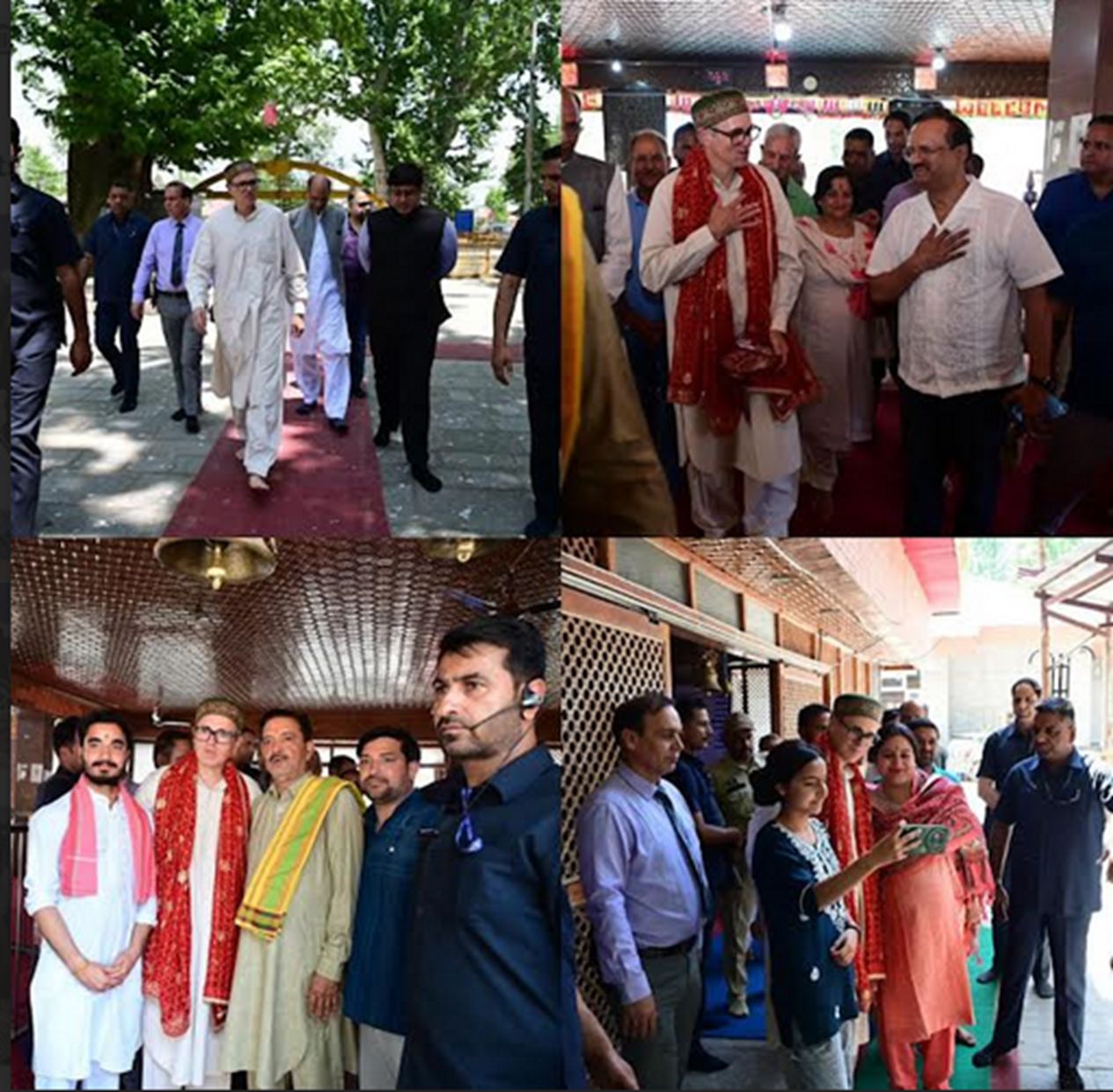
This week, Chief Minister Omar Abdullah has decisively set in motion comprehensive preparations for two of Jammu and Kashmir’s most significant religious pilgrimages — the Kheer Bhawani Mela and the annual Amarnath Ji Yatra (SANJY) — underscoring his administration’s unwavering commitment to ensuring a flawless, secure, and dignified experience for thousands of pilgrims flocking to the Union Territory. During his recent visit to Ganderbal, a key locus of pilgrimage activity, Chief Minister Abdullah articulated the government’s strategy to synchronize civil and security arrangements with meticulous precision, leaving no stone unturned to guarantee the safety, comfort, and seamless conduct of these venerable religious events.
Prioritizing Pilgrim Safety;A Non-Negotiable Commitment: At the heart of the Chief Minister’s message lies an uncompromising emphasis on pilgrim safety. “Our paramount priority is the secure return of every pilgrim,” Abdullah declared emphatically. “Civil preparations are progressing on schedule, and on the security front, all necessary measures will be implemented without compromise.” The Kheer Bhawani Mela, scheduled for June 3, is poised to unfold with enhanced infrastructure and crowd management protocols, followed by the Amarnath Yatra — a pilgrimage renowned for its spiritual sanctity and challenging terrain — which will be meticulously managed across both the Sonamarg-Baltal and Pahalgam routes. Such statements reflect a government acutely aware of the logistical, environmental, and security challenges endemic to Jammu and Kashmir’s pilgrimage circuit. The region’s complex topography, coupled with its history of security concerns, demands an ironclad approach that balances spiritual reverence with modern governance imperatives.
Tourism Revival: A Cautious Yet Optimistic Outlook: Recognizing the devastating impact of recent socio-political turmoil and the global pandemic on Jammu and Kashmir’s tourism sector, Chief Minister Omar Abdullah projected cautious optimism. “Interest from external tour operators is a promising sign,” he observed. “Some groups have already commenced their journeys, and once stability is firmly established, we will engage stakeholders in crafting a comprehensive revival strategy for tourism.” This measured optimism reflects an administration intent on rebuilding Jammu and Kashmir’s tourism economy — a vital lifeline for thousands of local communities — while prioritizing stability and sustainable growth.
Catalyzing Development; Projects Anchored in Public Welfare: The Chief Minister’s visit was not limited to ceremonial duties. Abdullah inaugurated several vital developmental projects that signal his government’s commitment to improving public welfare and infrastructure. Among these was the Water Supply Scheme at Bakura, projected to provide clean drinking water to over 4,000 residents — a significant step towards addressing the longstanding water scarcity challenges in the region. He also inaugurated an Old Age Home in Pandach, underscoring a social commitment to dignity and care for the elderly, an often-neglected segment of society. The laying of the foundation stone for the Science Block at the Government College of Engineering and Technology (GCET), Safapora, epitomized Abdullah’s vision for empowering youth through education and technological advancement. “Technology is the backbone of modern entrepreneurship,” he stressed. “Our youth must be equipped with the skills to lead the future.”
Inclusive Governance; Empowering the Differently Abled: In a poignant demonstration of social inclusion, the Chief Minister distributed scooties to specially-abled individuals in Ganderbal, alongside ministers and senior advisors. “Our administration is dedicated to constructing an inclusive society,” he affirmed. This gesture not only empowers marginalized groups but also reflects a governance model centered on equity and dignity.
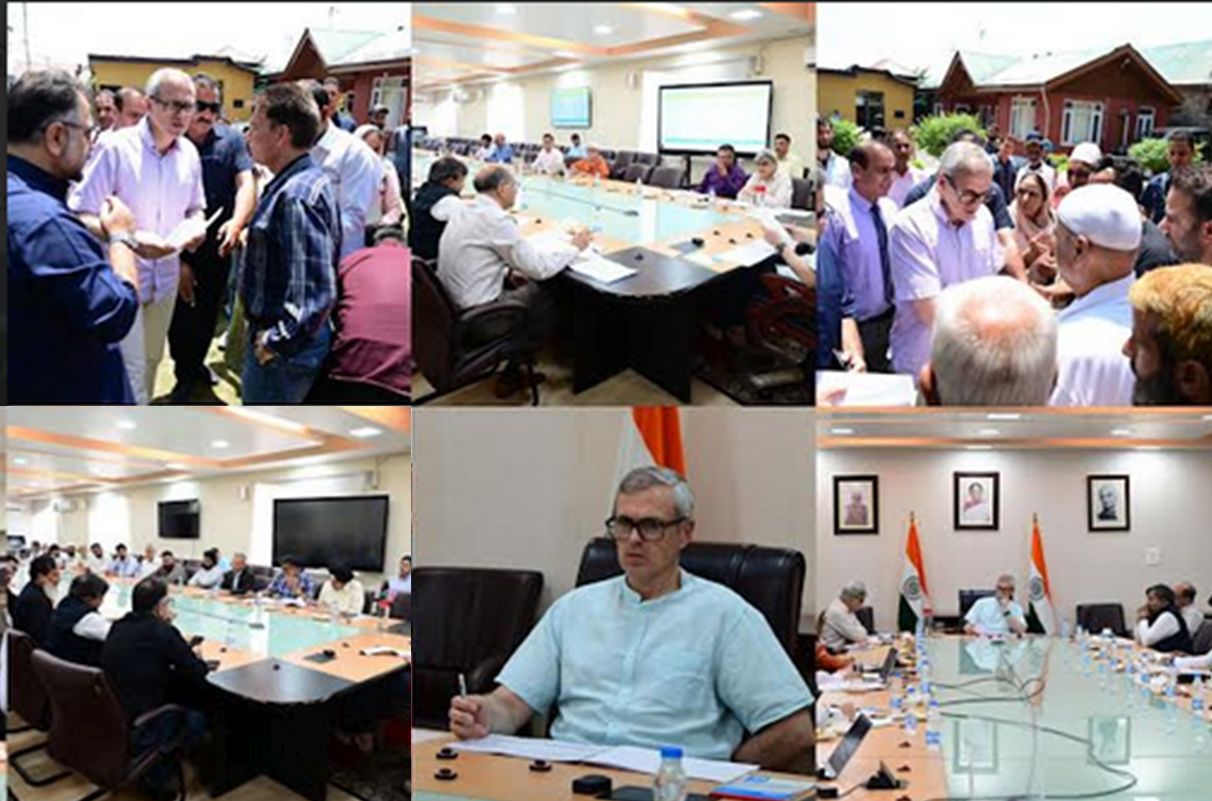
Strengthening Governance: Reviews of Recruitment and Urban Development: Beyond pilgrimages and social welfare, Chief Minister Omar Abdullah convened pivotal high-level meetings addressing systemic governance challenges. Foremost among these was a detailed review of the Jammu and Kashmir Services Selection Board (JKSSB), where Abdullah underscored the urgency of expediting recruitment processes and removing procedural bottlenecks. Indu Kanwal Chib, Chairperson JKSSB, presented a comprehensive report on recruitment activities since 2019, highlighting delays caused by procedural inefficiencies and outdated recruitment rules. Abdullah responded with firm directives to accelerate recruitment timelines, enhance transparency through CCTV-monitored examinations, and bolster the board’s legal and administrative frameworks. “Timely recruitment is critical to providing employment opportunities and restoring public trust,” the Chief Minister emphasized. Simultaneously, Abdullah spearheaded a transformative agenda to reorganize Jammu and Kashmir’s Housing and Urban Development Department (HUDD). Faced with increasing urbanization pressures, the department’s existing institutional architecture was deemed inadequate for future challenges. The proposed restructuring focuses on streamlining governance, optimizing human resources, and enhancing operational efficiency across multiple urban bodies including the Jammu & Kashmir Housing Board, Lakes Conservation & Management Authority, Town Planning Organisation, and municipal corporations of Srinagar and Jammu. The plan involves redefining administrative roles, creating technical posts to address staffing imbalances, and aligning institutional capacities with modern urban development demands. Abdullah lauded the reform as a vital step toward sustainable urban growth, improved service delivery, and fiscal prudence. “Our urban governance institutions must be future-ready, transparent, and capable of delivering at scale,” he asserted.
Analytical Perspective; Navigating Complex Challenges: Chief Minister Omar Abdullah’s multifaceted initiatives encapsulate the delicate balancing act inherent in governing Jammu and Kashmir — a region marked by breathtaking natural beauty, deep spiritual heritage, and enduring political volatility.
Security Imperatives And Religious Tourism: The government’s unequivocal commitment to securing the Kheer Bhawani Mela and Amarnath Yatra sends a strong message of stability and state readiness. Pilgrimages in Jammu and Kashmir have historically faced threats from terror activity and logistical challenges posed by harsh terrain and inclement weather. Abdullah’s detailed focus on civil and security preparedness represents a strategic response aimed at assuring both local and international pilgrims of their safety. Successful conduct of these events would not only reinforce Jammu and Kashmir’s image as a safe pilgrimage destination but also rejuvenate economic activity in adjoining regions that rely heavily on religious tourism. The dual emphasis on security and civil arrangements reveals an evolved administrative mindset that recognizes the interdependence of faith, economy, and peace.
Tourism Revival Amidst Fragile Stability: While projecting cautious optimism, the Chief Minister’s acknowledgment of tourism’s precarious state reflects political realism. Jammu and Kashmir’s tourism has been hit hard by waves of militancy, restrictions, and the COVID-19 pandemic. Abdullah’s approach of engaging with tour operators and stakeholders post-stabilization suggests a phased revival strategy, balancing urgency with prudence. This measured optimism is essential. Premature tourism promotion without adequate security and infrastructure could backfire, potentially triggering negative publicity or renewed instability. Abdullah’s vision implies a holistic revival — one that integrates safety, infrastructure, stakeholder engagement, and sustainable growth.
Developmental Initiatives Rooted in Equity, Modernization: The inauguration of vital infrastructure projects such as water supply and elderly care facilities reveals a governance philosophy grounded in inclusivity and addressing immediate human needs. These projects, though seemingly modest, contribute significantly to improving quality of life and social equity. Moreover, the investment in educational infrastructure and technology-focused skill development highlights the government’s long-term vision for economic empowerment. The youth-oriented Science Block at GCET Safapora represents a forward-looking strategy to cultivate a knowledge economy and entrepreneurial spirit in Jammu and Kashmir.
“The recent initiatives to secure religious pilgrimages, revive tourism, advance social welfare, and reform governance have laid a strong foundation. However, the region’s complex political, social, and economic realities require sustained effort, strategic vision, and operational rigor to translate these early successes into lasting progress. First and foremost, security must remain a top priority. Strengthening intelligence networks, rapid response teams, and community policing will be crucial to maintaining peace, especially along sensitive pilgrimage routes and urban centers. Incorporating cutting-edge technology—such as surveillance drones, biometric systems, and real-time communication networks—will further enhance safety. Equally important is fostering trust through proactive engagement with local communities, making them partners in preserving security and resilience. Reviving and expanding tourism sustainably is essential to the region’s economic revival. Beyond ensuring safety, significant investment in infrastructure—roads, lodging, healthcare, and sanitation—must be aligned with environmental preservation”
Institutional Reform;The Key to Effective Governance: The Chief Minister’s oversight of recruitment reforms at JKSSB and the sweeping urban governance restructuring showcase a pragmatic effort to enhance institutional efficiency. Delayed recruitments have long plagued Jammu and Kashmir’s public sector, depriving youth of employment and hindering service delivery. Abdullah’s insistence on transparency, CCTV-monitored exams, and procedural overhauls indicates an intent to restore credibility and functionality. Similarly, the proposed HUDD restructuring addresses the complex urban governance matrix, which must evolve to handle expanding urban populations, environmental challenges, and infrastructure demands. By realigning roles, creating technical positions, and streamlining bodies, the government is laying the foundation for resilient and responsive urban administration.
Kashmir Horizon View: The path ahead for Jammu and Kashmir under Chief Minister Omar Abdullah’s leadership is both challenging and promising. The recent initiatives to secure religious pilgrimages, revive tourism, advance social welfare, and reform governance have laid a strong foundation. However, the region’s complex political, social, and economic realities require sustained effort, strategic vision, and operational rigor to translate these early successes into lasting progress. First and foremost, security must remain a top priority. Strengthening intelligence networks, rapid response teams, and community policing will be crucial to maintaining peace, especially along sensitive pilgrimage routes and urban centers. Incorporating cutting-edge technology—such as surveillance drones, biometric systems, and real-time communication networks—will further enhance safety. Equally important is fostering trust through proactive engagement with local communities, making them partners in preserving security and resilience. Reviving and expanding tourism sustainably is essential to the region’s economic revival. Beyond ensuring safety, significant investment in infrastructure—roads, lodging, healthcare, and sanitation—must be aligned with environmental preservation. Promoting eco-tourism, cultural heritage, and adventure sports can diversify tourism offerings and attract wider audiences. The government should collaborate with private sector players and international stakeholders to ensure effective marketing and operational standards, while transparent communication will be key to visitor satisfaction. Finally, effective and transparent communication between the government and the public is vital. Leveraging traditional and digital media, deploying clear messaging during crises, and keeping citizens informed about government initiatives will strengthen trust. Public outreach campaigns will empower residents and visitors alike, reducing misinformation and enhancing cooperation. In conclusion, Chief Minister Omar Abdullah’s initiatives represent a significant step toward transforming Jammu and Kashmir’s future. The commitment to secure pilgrimages, rejuvenate tourism, promote inclusive growth, and reform governance demonstrates a leadership aligned with the aspirations of its people. Yet, realizing this vision demands persistence, collaboration, and visionary governance. By harnessing technology, community strength, and strategic partnerships, Jammu and Kashmir can move towards lasting peace, prosperity, and dignity for all citizens. The future envisioned is one where spiritual heritage flourishes alongside modern development, where everyone has the opportunity to grow, and governance is transparent and empathetic. Ultimately, the success of these efforts will be reflected not only in infrastructure and policies but in the renewed hope, trust, and resilience of the people. Together, with strong leadership and collective will, Jammu and Kashmir can chart a course to a brighter, more inclusive future for generations to come.
(In commitment to continuous improvement the “Team Kashmir Horizon” invites it’s valuable readers to share their valuable feedback and suggestions with the “Team Kashmir Horizon”. The insights of readers will surely play a vital role in improving the content quality of “Kashmir Horizon” and contribute more for the empowerment of people. Please feel free to reach out to us at editor@ thekashmirhorizon.com. Team “Kashmir Horizon” eagerly anticipates thoughts and ideas of it’s readers, which will help us serve people and even more effectively. The inputs of valuable readers are highly valued as “Kashmir Horizon” strives to provide it’s readers the best possible experience.)