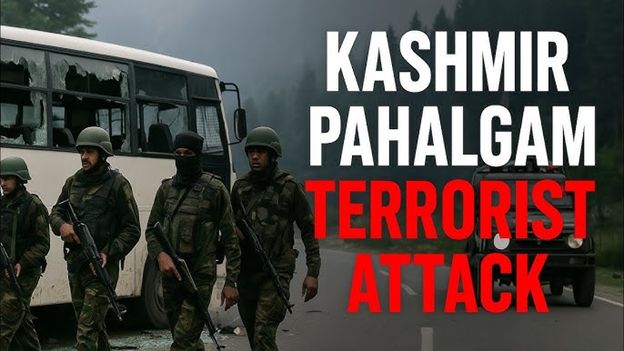
Jammu: In a gruesome act of terror that has rocked the peaceful environs of South Kashmir, the recent attack in Pahalgam that claimed 26 civilian lives including Nepali resident is being widely seen as a premeditated attempt to reignite unrest in the region that has drawn a flak due to a unprecedented wave of anger that fuelled on streets across Jammu & Kashmir.
Security officials, political leaders, tourism stakeholders, and locals are unanimous in their belief: this was not an isolated strike, but part of a well-established playbook fueled from across the border. Police has said that heavily armed terrorists infiltrated through high-altitude passes along the Line of Control before launching the attack on a popular tourist site marking one of the deadliest civilian assaults in Kashmir in recent years. The attack comes at a time when Kashmir has been making headlines for the right reasons—a booming tourism sector, improved infrastructure, and a perceptible drop in violence over the last two years. With Pahalgam being one of the prime tourist destinations in the Valley, the choice of target appears chillingly calculated. Junaid Ahmad, local restaurant owner said they didn’t just attack people, they attacked our livelihood, our future. Tourists were returning in record numbers. This terror strike was meant to paralyze that progress, he said. The timing of the attack—just ahead of the peak summer season—has further deepened suspicions of a broader conspiracy. “They want us to be afraid again, to retreat into silence. But we won’t,” said Bilal Mir, a local shopkeeper whose nephew, a tourist guide, was killed. “This isn’t just about tourists; this is about the soul of Kashmir.” The attack has also drawn widespread condemnation from local religious and civil society leaders. Mufti Shahid Qasmi, a prominent cleric in Anantnag, called it “an inhumane and anti-Islamic act that has brought shame to the land of Sufis and saints.”
The immediate aftermath has seen a wave of cancellations from tour operators, with many travelers cutting their visits short. The J&K Tourism Department, while expressing grief, has urged travelers not to panic, assuring that security is being enhanced at all major tourist sites. Hoteliers and transport operators, already recovering from years of disruption, fear long-term economic setbacks. “Each time terrorism strikes, we lose a season,” said Gulzar Wani, who runs a chain of cottages in Pahalgam. “It’s not just business; it’s about survival.” Meanwhile the choice of target, a bustling tourist hub that had recently seen a surge in visitor numbers, indicates that the attackers aimed to strike at the heart of Kashmir’s economic revival and its slowly returning sense of normalcy. Over the past few years, the Valley had witnessed a significant decline in violence, increased developmental activity, and record footfall in the tourism sector. Pahalgam, often called the jewel of Kashmir, symbolized this renewed hope. By launching an attack in this serene destination, the perpetrators sent a clear message: peace is not acceptable to them. Security experts and local leaders believe this wasn’t just an act of random violence but a deliberate effort to instill fear, create chaos, and provoke public unrest. The widespread outrage and unified calls for justice reflect a collective determination not to let terror dictate the future. As the Valley grieves, it also stands resolute: peace may be under attack, but the people’s will to preserve it remains unshaken.