

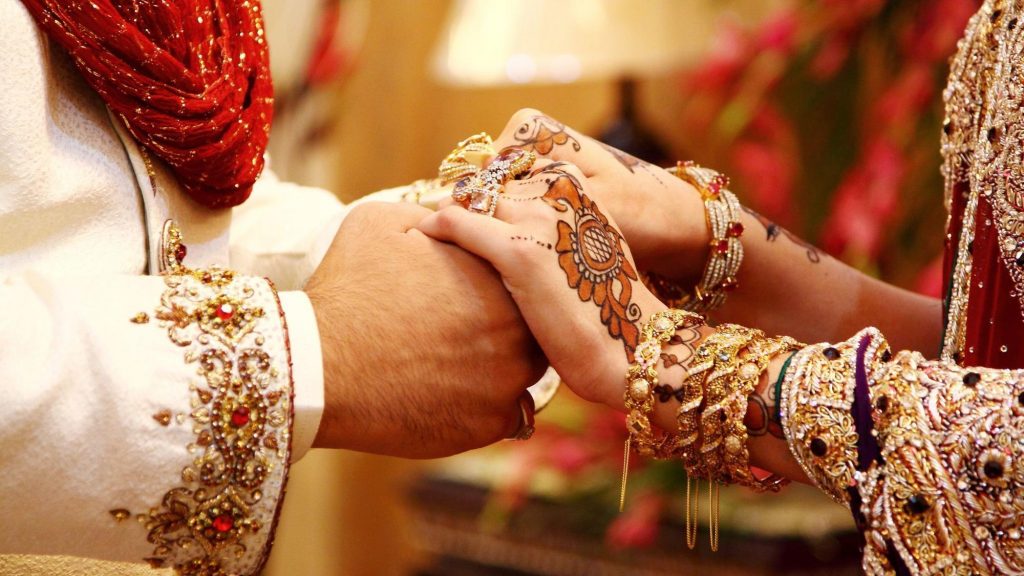
The Marriage of Kashmiri Daughters, A Growing Burden on Fathers in Jammu and Kashmir In the picturesque valleys of Jammu and Kashmir, where tradition and culture have long been cherished, a troubling narrative has emerged in recent years, the marriage of daughters has increasingly become a heavy burden on fathers and families. What was once a joyous celebration of union and community has, for many, transformed into a source of financial strain, emotional stress, and societal pressure. This shift raises a critical question Who is responsible for this burden? the families, the society, or the evolving cultural and economic landscape of the region?The Cultural Context of Marriage in Jammu and Kashmir Marriage in Jammu and Kashmir, particularly in the Kashmir Valley, has historically been a grand affair steeped in tradition. Kashmiri weddings, whether among Muslims or Pandits, are known for their elaborate rituals, vibrant ceremonies, and the famed Wazwan a multi-course feast that symbolizes hospitality and abundance. These traditions, while beautiful, come with a significant cost. From the bride’s trousseau to the groom’s Mahar, from lavish feasts to ornate decorations, the expenses associated with a wedding have always been substantial.For centuries, these customs were manageable within the framework of a largely agrarian society where community support and modest expectations kept the financial burden in check. However, as Jammu and Kashmir has undergone social, economic, and political transformations, the institution of marriage has evolved in ways that have placed unprecedented pressure on families, particularly on fathers of daughters.The Escalating Costs of Weddings One of the most significant factors contributing to the burden of marrying off daughters is the skyrocketing cost of weddings. In recent decades, Kashmiri weddings have shifted from modest, community-driven events to extravagant displays of wealth and status. The pressure to host a “big fat wedding” has intensified, driven by societal expectations and the desire to maintain or elevate family prestige. This includes not only the feast where the number of dishes in the Wazwan can exceed a dozen but also expenses like designer clothing, jewelry, venue rentals, and professional wedding planners.For fathers of daughters, the financial strain is compounded by the persistence of dowry-like practices, despite their illegality under Indian law. While the traditional dowry system is not as overtly prevalent in Kashmir as in other parts of India, subtle expectations persist. Families of grooms often demand gifts, cash, or expensive items, framing them as “customary” rather than dowry. For a father with limited resources, meeting these demands can mean borrowing money, selling assets, or plunging into debt sometimes with devastating consequences.Economic Challenges in Jammu and KashmirThe economic backdrop of Jammu and Kashmir further exacerbates this burden. The region has faced decades of political instability, conflict, and underdevelopment, which have stifled economic growth and limited employment opportunities. For many families, particularly in rural areas, income sources are unreliable, and savings are scarce. In such a context, the cost of a wedding can represent years if not decades of earnings, making it an almost insurmountable challenge for fathers. Moreover, the rising cost of living and inflation have not been matched by corresponding increases in income. A father who once could have afforded a simple wedding for his daughter now finds that even a modest ceremony requires significant financial sacrifice. This economic reality has turned marriage into a source of anxiety rather than celebration, particularly for families with multiple daughters.Societal Pressures and the Role of Comparison Society itself plays a pivotal role in perpetuating this burden. In Kashmir, as in many parts of South Asia, marriage is not just a union of two individuals but a public statement of a family’s honor, status, and social standing. The advent of social media has amplified this pressure, with wedding photos, videos, and extravagant trends circulating widely, setting new benchmarks for what a “proper” wedding should look like. Families feel compelled to keep up with these standards, lest they be judged as “lesser” or “downtrodden.”This culture of comparison has a particularly harsh impact on fathers of daughters.
“Economically, fathers need support through better job opportunities, financial literacy programs, and expanded Government assistance. Initiatives like mass weddings, organized by nonprofits for underprivileged families, could be scaled up with Government backing to reduce individual costs. Finally, families must take a stand. Fathers of daughters should not bear this burden alone; grooms’ families must share responsibility, and young couples should advocate for simpler, more meaningful ceremonies.”
A father who cannot afford a lavish wedding may face social stigma, while his daughter might be seen as less desirable in the marriage market. The result is a vicious cycle, families stretch their resources to meet societal expectations, only to reinforce those expectations for others, perpetuating the burden across generations. The Dowry Debate, A Hidden Culprit While dowry is officially banned in India under the Dowry Prohibition Act of 1961, its echoes linger in Jammu and Kashmir in subtler forms. In some cases, the groom’s family may not explicitly demand dowry but will expect the bride’s family to provide substantial gifts or financial support as part of the wedding arrangements. This practice places an unequal burden on the bride’s father, who is often seen as responsible for ensuring his daughter’s marriage is a success.In rural areas, where poverty is more pronounced, this burden can lead to desperate measures. Stories of fathers marrying off their daughters at a young age to avoid escalating costs or debts are not uncommon. While child marriage rates in Jammu and Kashmir are lower than the national average, economic pressures have been cited as a contributing factor in the persistence of such practices in certain pockets of the region.Delayed Marriages and Changing AspirationsAnother dimension of this issue is the trend of delayed marriages, which adds a different layer of complexity. As young Kashmiris prioritize education and career opportunities, the average age of marriage has risen. While this shift reflects progress in terms of gender equality and individual agency, it has unintended consequences for fathers. The longer a daughter remains unmarried, the greater the societal scrutiny on her family and the higher the expectations for her eventual wedding. Matchmakers may demand more from a bride’s family to compensate for her “advanced” age, further increasing the financial and emotional toll on fathers
Who Is Responsible? So, who bears the responsibility for this growing burden? The answer is multifaceted. Society and Cultural Norms, The collective insistence on extravagant weddings and the perpetuation of dowry-like practices are rooted in societal values. Until these norms are challenged and redefined, families will continue to feel pressured to conform.Economic Realities the lack of economic stability in Jammu and Kashmir, coupled with rising costs, leaves fathers with little room to maneuver. Without broader economic development and support systems, the financial strain of marriage will persist.Families Themselves are often victims of these pressures, they also contribute to the problem by prioritizing social status over practicality. The reluctance to embrace simpler weddings or reject unreasonable demands from grooms’ families perpetuates the cycle. Government and Policy have a role to play in alleviating this burden. While laws against dowry and child marriage exist, enforcement is weak, and awareness campaigns are insufficient. Programs like the Social Welfare Department’s Marriage Assistance Scheme in Jammu and Kashmir, which provides financial aid and gold to poor families, are steps in the right direction but are limited in scope and reach.A Path Forward Addressing this burden requires a collective effort. Society must shift toward valuing simplicity and equality in marriage, celebrating unions rather than displays of wealth. Community leaders, religious figures, and influencers can play a key role in promoting modest weddings and condemning exploitative practices. Economically, fathers need support through better job opportunities, financial literacy programs, and expanded Government assistance. Initiatives like mass weddings, organized by nonprofits for underprivileged families, could be scaled up with Government backing to reduce individual costs. Finally, families must take a stand. Fathers of daughters should not bear this burden alone; grooms’ families must share responsibility, and young couples should advocate for simpler, more meaningful ceremonies. The example of Baba Wayil, a village in Kashmir that banned dowry and embraced affordable weddings, shows that change is possible when a community unites for reform.
Conclusion: The marriage of Kashmiri daughters has become a heavy burden on fathers not because of any single culprit but due to a confluence of cultural, economic, and social factors. It is a burden that society has imposed, that economic hardship has deepened, and that families have unwittingly sustained. Breaking free from this cycle will require courage, collaboration, and a reimagining of what marriage means in Jammu and Kashmir. Only then can weddings reclaim their place as a source of joy rather than a source of strife for fathers and their daughters.
(The author a freelancer is a lawyer by profession. The views, opinions and conclusions expressed in this article are those of the author and aren’t necessarily in accord with the views of “Kashmir Horizon”)
Advocate Sajad Paul
[email protected]





