

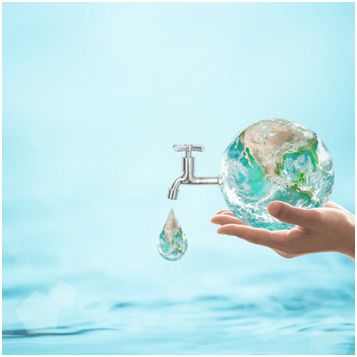
Water is the essence of life, water is the most important element for the preservation of life sustaining all living beings and ecosystems. Water is a finite commodity which, if not managed properly, will result in shortages in the near future. However, in recent years, water pollution has emerged as a pressing environmental challenge, threatening public health, biodiversity, and economic stability. As responsible citizens, it is our duty to safeguard this precious resource for ourselves and future generations. Water pollution occurs when harmful substances—such as industrial waste, plastics, sewage, and agricultural runoff—contaminate water bodies, making them unsafe for consumption and ecological balance. Polluted water affects human health, causes the loss of aquatic life, and disrupts agricultural productivity. From rivers and lakes to underground reservoirs, no water source is immune to pollution if proper care is not taken. There are several causes of water pollution, many of which stem from human activities:
• Industrial Waste – Factories discharge chemicals, heavy metals, and toxins into nearby water bodies, affecting both human populations and marine life.
• Domestic Waste – Improper disposal of household waste, sewage, and detergents contaminates freshwater sources.
• Agricultural Runoff – Excessive use of pesticides and fertilisers leads to nutrient pollution, which can cause harmful algal blooms and deplete oxygen levels in water.
• Plastic Waste – Non-biodegradable plastics clog rivers, lakes, and oceans, affecting aquatic organisms and water quality.
The consequences of water pollution are far-reaching. Contaminated water can cause severe health issues such as cholera, typhoid, and gastrointestinal infections. Polluted rivers and lakes disrupt the balance of aquatic ecosystems, leading to the death of fish and other organisms. Furthermore, water pollution negatively impacts agriculture and industries, leading to economic losses. While authorities and organisations are making continuous efforts to control pollution, every individual has a role to play in protecting water resources. Water is the essence of life, yet human activities are continuously polluting this precious resource. As a society, it is our collective responsibility to protect and preserve clean water for future generations. We must adopt sustainable practices, Here’s what we can do:
• Minimise Waste Disposal – Properly disposing of waste and avoiding plastic usage can significantly reduce water pollution.
• Use Water Wisely– Conserving water and preventing wastage ensures that clean water remains available for all.
• Promote Eco-Friendly Practices– Using biodegradable products and organic fertilisers can help minimise pollution from households and farms.
• Raise Awareness – Educating others about the importance of clean water and advocating for responsible waste management can bring about positive change.
• Participate in Clean-Up Drives – Volunteering for water body cleanup programs in local communities can make a real difference.
“By adopting responsible habits and spreading awareness, People should be made aware of water scarcity issues and the impact of water conservation practices. We should also take a pledge and join hands for water conservation. A small effort from everyone can lead to a big change, just as small drops of water together form the huge ocean. we can contribute to a cleaner, healthier environment. Water is not just a resource—it is a lifeline. Let us join hands as responsible citizens to protect it for generations to come.”
As Jacques Cousteau rightly said, “Water and air, the two essential fluids on which all life depends, have become global garbage cans.” This highlights the urgent need to act before it is too late. Every small effort counts—whether it’s conserving water at home, joining clean-up drives, or advocating for stricter environmental policies. W. H. Auden once remarked, “Thousands have lived without love, not one without water.” This reminds us that water is indispensable to life, and its protection should be a priority for all. By working together as responsible citizens, we can ensure clean and safe water for ourselves and the generations to come. TheKashmiri proverb “Yeli wanus gatschakh, aab kyah wuchakh?” (یلی وانس گچھکھ، آب کیاہ وچھکھ؟) – “When the forests disappear, what will happen to the water?”remind us of our responsibility to protect our water sources and preserve nature for future generations.This highlights the interdependence of natural elements—forests, rivers, and life itself. It implies that environmental destruction, including water pollution, will have severe consequences. Ensuring clean and safe water is a collective responsibility. Each of us is responsible for the present environmental situation and therefore, must take responsibility to bring about a change in it. If we all don’t start acknowledging the fact that water pollution is a real problem, it for sure won’t be an invisible threat for long.Government agencies are taking initiatives to improve water management, regulate industrial discharge, and promote conservation. However, laws and policies alone cannot solve the problem unless citizens actively participate in protecting and preserving water sources. By adopting responsible habits and spreading awareness, People should be made aware of water scarcity issues and the impact of water conservation practices. We should also take a pledge and join hands for water conservation. A small effort from everyone can lead to a big change, just as small drops of water together form the huge ocean. we can contribute to a cleaner, healthier environment. Water is not just a resource—it is a lifeline. Let us join hands as responsible citizens to protect it for generations to come.
(The author is a freelancer. The views, opinions and conclusions expressed in this article are those of the author and aren’t necessarily in accord with the views of “Kashmir Horizon”)
Ishfaq Manzoor
[email protected]





