“The Kashmir Valley is enduring one of the coldest winters in decades, with temperatures plummeting to record lows. The coldest December night in over 50 years was recently recorded in Srinagar, with the mercury dipping to an astonishing minus 8.5 degrees Celsius. Such extreme conditions have exacerbated the already difficult living conditions in the region, causing severe disruptions in essential services like water supply and electricity. In response to the public hardships caused by these disruptions, Abdullah made the decision to forgo his scheduled programs in Jammu and instead focus on ensuring that crucial services continue to function smoothly amidst the ongoing cold spell.”
As a bone-chilling cold wave and fresh snowfall has blanketed Kashmir Valley, Chief Minister Omar Abdullah has stepped forward to personally oversee the region’s response to the extreme weather conditions. This decision, announced through a series of tweets, underscores CM Abdullah’s dedication to mitigating the suffering of the people of Kashmir during one of the harshest winters in recent memory. Stationing himself in Srinagar for the next week, the Chief Minister aims to closely monitor critical services, particularly the Power Department, which has been under immense pressure due to the record-breaking low temperatures and their consequences on vital infrastructure. The Kashmir Valley is enduring one of the coldest winters in decades, with temperatures plummeting to record lows. The coldest December night in over 50 years was recently recorded in Srinagar, with the mercury dipping to an astonishing minus 8.5 degrees Celsius. Such extreme conditions have exacerbated the already difficult living conditions in the region, causing severe disruptions in essential services like water supply and electricity. In response to the public hardships caused by these disruptions, Abdullah made the decision to forgo his scheduled programs in Jammu and instead focus on ensuring that crucial services continue to function smoothly amidst the ongoing cold spell.
The Immediate Challenges; Power, Water Supply: In his tweets, Abdullah explained that his decision to cancel programs in Jammu, despite the inconvenience it may cause, was driven by the need to address the immediate difficulties faced by the people of the Valley. The severe cold wave has not only led to the freezing of water supply lines but has also significantly strained the power infrastructure, leaving many residents without electricity. CM Abdullah emphasized that his decision to stay in Srinagar was a necessary step to ensure the smooth functioning of the Power Development Department (PDD) and to monitor other critical services. While the Chief Minister’s decision has been appreciated by the public as a demonstration of leadership in times of crisis, it also underscores the broader systemic challenges that Kashmir faces during the winter months. The cold weather has pushed the region’s infrastructure to its limits, highlighting the vulnerabilities in power and water supply networks. The cold wave, combined with the ongoing power shortages, has created an environment where even basic services are under stress, requiring swift intervention from the government.
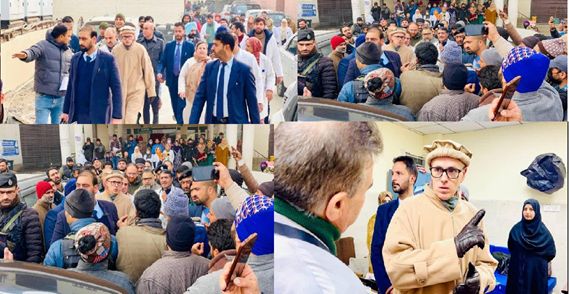
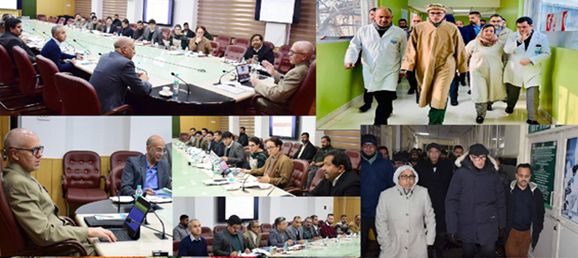
Abdullah’s On-the-Ground Inspection; A Focus on Healthcare: Apart from overseeing power and water supply, Omar Abdullah has also been actively inspecting healthcare facilities to assess the availability of medical services for residents during this harsh winter. On Wednesday, Abdullah made surprise visits to the Bone and Joint Hospital in Barzulla and the Children’s Hospital in Bemina to review the healthcare services provided to patients. The Bone and Joint Hospital, the largest orthopedic healthcare facility in the Valley, has been under pressure due to the increased demand for medical services during the winter months. Abdullah conducted a comprehensive inspection of various sections of the hospital, including the X-ray department, blood bank, and plaster room. He also interacted with patients and their attendants to get a firsthand understanding of the challenges they were facing. The Chief Minister emphasized the need for improving winter arrangements at the hospital and directed officials to expedite the completion of the new block being built under the Jhelum Tawi Flood Recovery Project (JTFRP). This new block, once completed, will add 160 beds to the hospital’s capacity, which will help alleviate space constraints caused by the fire incident in 2022. At the Children’s Hospital in Bemina, Abdullah interacted with both patients and hospital staff. The hospital, which was relocated from GB Pant Hospital, has seen an increase in patient load, especially in the winter season. During his visit, Abdullah was briefed about the shortage of faculty and paramedical staff, as well as space constraints that hinder the hospital’s ability to expand super-specialty services. He assured the hospital authorities that these issues would be prioritized, pledging to resolve the shortage of medical staff across Jammu and Kashmir.
Meeting With Open Merit Students Association : This week CM Omar also met with representatives of the Open Merit Students Association to hear their concerns. This gesture of direct engagement with the public highlights the Chief Minister’s commitment to addressing the grievances of various sections of society, further solidifying his image as a hands-on leader.
A High-Level Meeting To Address Power Shortages: The severe cold wave has placed immense pressure on the power infrastructure, with electricity demand soaring and supply struggling to meet the increased load. To address this challenge, Omar Abdullah chaired a high-level meeting with senior officials from the Power Development Department (PDD) to review the power situation in the Valley. During the meeting, the Chief Minister was briefed on the current power scenario, which has been significantly affected by the extreme cold. Although the PDD had made substantial capacity additions to meet the increased demand, the unprecedented cold spell has resulted in a spike in the power load, pushing the existing resources to their limits. The situation has been further exacerbated by reduced hydroelectric power generation due to minimal water discharge in the region’s dams. In response to the power crisis, Abdullah directed the PDD to implement a rational load curtailment program, ensuring that the demand-supply gap is addressed efficiently. He emphasized the need for transparency and communication with consumers, urging the department to inform the public in advance about planned power outages. Furthermore, Abdullah highlighted the importance of equitable power distribution, especially during the winter months, to ensure that essential services and households are prioritized. The Chief Minister also stressed the urgency of improving the monitoring and efficiency of the power distribution system through smart metering of distribution transformers and feeders. This initiative is expected to help reduce power theft, optimize the allocation of electricity, and improve the overall reliability of the power supply network.
“Omar Abdullah’s leadership during this cold wave will be judged not only on his ability to navigate the immediate crisis but also on his commitment to ensuring that Kashmir’s infrastructure is better equipped to handle future challenges. The region’s long-term prosperity will depend on the government’s ability to build resilient systems that can withstand the rigors of its harsh winters. Beyond traffic management, the overall emergency response infrastructure in Kashmir needs significant strengthening. This includes better coordination among government departments, such as the police, civil administration, health services, and the military, during extreme weather events.”
Managing Snowfall Crisis On Jammu-Srinagar Highway: In addition to managing power and healthcare services, Abdullah has also been proactive in addressing the impact of heavy snowfall on transportation. On Friday, he directed the Deputy Commissioner of Anantnag to make necessary arrangements for commuters stranded along the National Highway 44 (NH44) due to heavy snowfall. The highway, which connects Srinagar with Jammu, has been severely affected by the icy conditions, leading to significant traffic congestion. Abdullah personally reached out to the Deputy Commissioner, instructing him to prioritize vehicles carrying families and children and to ensure that stranded commuters were provided with necessary assistance, including overnight shelter if required. He also instructed the DC to deploy an ambulance on-site in case of medical emergencies. The traffic congestion on the highway had been caused by slippery roads due to fresh snowfall, and the authorities were working to clear the road and assist commuters. The Chief Minister’s proactive intervention on the Jammu-Srinagar Highway serves as an example of effective crisis management. His immediate action not only ensured that commuters received timely assistance but also showcased his ability to manage multiple crises simultaneously, whether related to power, healthcare, or transportation.
Kashmir Horizon View: While CM Omar Abdullah’s response to the ongoing cold wave crisis in Kashmir has been commendable, it also highlights the underlying challenges that the region faces in terms of infrastructure development and crisis preparedness. The severe cold wave has exposed the vulnerabilities in the power and water supply systems, as well as the strain on healthcare facilities and transportation networks. As such, Abdullah’s leadership during this crisis should be viewed not only in the context of immediate relief but also as an opportunity to address long-term infrastructure gaps. The successful management of power shortages, healthcare services, and transportation issues during this cold wave will require a concerted effort from both the government and the public. The Chief Minister’s decision to station himself in Srinagar reflects his recognition of the need for direct oversight and hands-on management during a time of crisis. However, for the long-term well-being of the people of Kashmir, a comprehensive strategy for improving infrastructure and enhancing disaster preparedness is essential. Moving forward, the government must focus on improving the resilience of power and water supply networks, especially in the face of extreme weather events. There is also a need for a more robust healthcare infrastructure, capable of handling the increased demand during winter months. In addition, the challenges posed by transportation disruptions, particularly on critical highways like NH44, must be addressed through better snow clearance mechanisms and contingency planning. Ultimately, Omar Abdullah’s leadership during this cold wave will be judged not only on his ability to navigate the immediate crisis but also on his commitment to ensuring that Kashmir’s infrastructure is better equipped to handle future challenges. The region’s long-term prosperity will depend on the government’s ability to build resilient systems that can withstand the rigors of its harsh winters. Beyond traffic management, the overall emergency response infrastructure in Kashmir needs significant strengthening. This includes better coordination among government departments, such as the police, civil administration, health services, and the military, during extreme weather events. Establishing a centralized crisis management center can help streamline communication and decision-making during such crises, ensuring that resources are deployed efficiently. Moreover, training local communities in basic emergency response techniques, including first aid, snow clearance, and disaster preparedness, can greatly enhance the region’s ability to respond to unforeseen challenges. Community-based emergency response teams can act as the first line of defense, providing immediate assistance to those in need until official help arrives.
Conclusion; A Path Toward A Resilient Kashmir: Omar Abdullah’s leadership during the current cold wave has been instrumental in providing immediate relief to residents and demonstrating a hands-on approach to crisis management. However, the challenges faced by the region during this winter serve as a stark reminder of the pressing need for long-term infrastructure improvements, climate resilience strategies, and more robust crisis management systems. As the government moves forward, it must focus not only on addressing immediate concerns but also on building a sustainable future for Kashmir. By modernizing infrastructure, strengthening healthcare services, improving crisis response systems, and preparing for the challenges posed by climate change, Kashmir can better weather future storms, ensuring the safety and well-being of its residents for years to come.
(In commitment to continuous improvement the “Team Kashmir Horizon” invites it’s valuable readers to share their valuable feedback and suggestions with the “Team Kashmir Horizon”. The insights of readers will surely play a vital role in improving the content quality of “Kashmir Horizon” and contribute more for the empowerment of people. Please feel free to reach out to us at editor@ thekashmirhorizon.com. Team “Kashmir Horizon” eagerly anticipates thoughts and ideas of it’s readers, which will help us serve people and even more effectively. The inputs of valuable readers are highly valued as “Kashmir Horizon” strives to provide it’s readers the best possible experience. Thank you for being a part of the reader community!)