“While there is no definitive timeline provided, Abdullah’s optimism about positive steps suggests that the Union Government may consider phased measures towards reinstating statehood. This aligns with earlier statements from central leaders indicating a willingness to revisit the statehood question once security and governance benchmarks are met.”
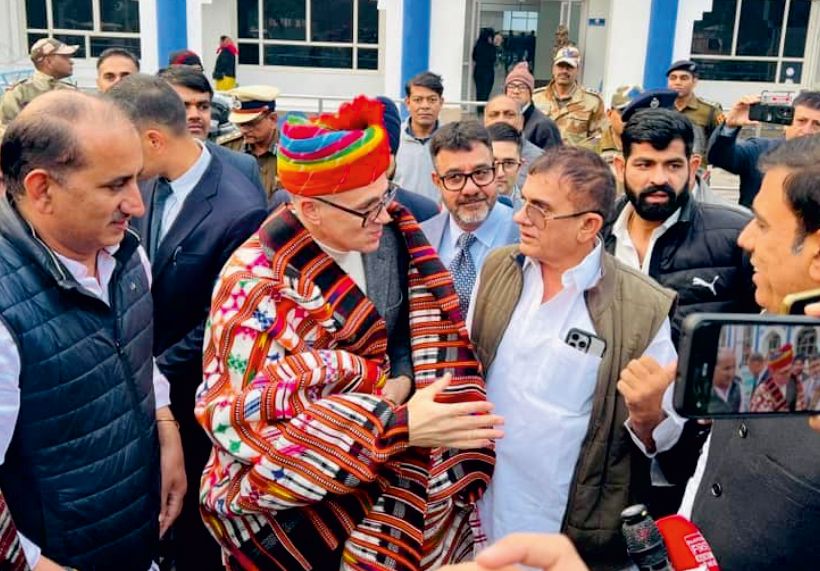
The recent meeting between Jammu and Kashmir Chief Minister Omar Abdullah and Union Home Minister Amit Shah in New Delhi marks a significant moment in the ongoing discourse surrounding the restoration of statehood and the overall situation in Jammu and Kashmir (J&K).
Timeline Of Events: The meeting took place against the backdrop of heightened discussions about the future of Jammu and Kashmir. Omar Abdullah, who assumed office on October 16, has prioritized the restoration of statehood and fostering peace in the region. This was his second meeting with Amit Shah since taking office, with the first held on October 23 during his initial visit to the national capital.
Statehood Restoration , CM’s Top Priority: Omar Abdullah reiterated his administration’s commitment to restoring Jammu and Kashmir’s statehood, which was revoked in 2019 following the abrogation of Article 370. He emphasized the importance of restoring statehood as a means of ensuring greater political and administrative autonomy for Jammu and Kashmir. His statements underscore the belief that statehood is crucial for addressing the aspirations of the people and rebuilding trust between the Union and the region. While there is no definitive timeline provided, Abdullah’s optimism about positive steps suggests that the Union Government may consider phased measures towards reinstating statehood. This aligns with earlier statements from central leaders indicating a willingness to revisit the statehood question once security and governance benchmarks are met.
Security. Development: Security issues were a central focus during the meeting. Abdullah’s assurance to Shah that combating militancy requires active public involvement highlights a strategic shift towards people-centric governance. His statement, “You cannot compete with militancy in vacuum,” reflects an understanding that the root causes of unrest need to be addressed through dialogue and inclusivity. The discussions also revolved around strengthening grassroots governance mechanisms, improving intelligence-sharing, and fostering economic opportunities to counter radicalization. Continued cooperation between the Union Government and the J&K administration was emphasized as essential for tackling security challenges effectively.
Economic Implications: The potential imposition of a 28% GST on handloom carriers was another topic of concern. While Abdullah clarified that no formal proposal had been discussed, his commitment to opposing such a move indicates his government’s proactive stance on protecting the interests of local artisans and industries. The handloom sector, a significant contributor to J&K’s economy, would face severe repercussions if subjected to high GST rates. This issue underscores the broader need for policies that support economic resilience in the region.
Governance, Administrative Autonomy: Questions about the Business Rules of governance also surfaced during the meeting. Abdullah’s clarification that these rules fall under the purview of the J&K government—subject to Cabinet approval and subsequent submission to the Lieutenant Governor—highlights the autonomy retained by the elected government in certain domains. This distinction between state and central responsibilities is critical for maintaining a balanced federal structure.
Challenges, Opportunities: The meeting underscores both challenges and opportunities for governance in Jammu and Kashmir.
Key Challenges: Restoration of Trust: The abrogation of Article 370 in 2019 significantly altered the political landscape of J&K. Restoring trust among the people requires tangible steps towards reinstating statehood and ensuring participatory governance.
Security, Stability: The persistent threat of militancy necessitates a robust yet inclusive approach to security, emphasizing community engagement and development.
Economic Recovery: The region’s economic challenges, compounded by the COVID-19 pandemic and ongoing unrest, require targeted interventions to revive key sectors like tourism, handicrafts, and agriculture. Collaborative Governance: The alignment of state and central priorities can pave the way for holistic development and improved public service delivery. Policy Reforms: The potential for reforming business and administrative practices can enhance efficiency and transparency in governance. Community Empowerment: Initiatives that involve local communities in decision-making processes can foster greater ownership and accountability.
“The meeting between Omar Abdullah and Amit Shah underscores the importance of dialogue and collaboration between the Union and the J&K administration. The region stands at a crossroads, with critical decisions ahead regarding its political, security, and economic future. While the path to restoring statehood and achieving long-term stability may be complex and fraught with challenges, there is a clear opportunity to address these issues in a way that is inclusive, transparent, and conducive to lasting peace. The success of these efforts will depend on the effective translation of dialogue into tangible outcomes that reflect the aspirations of the people of Jammu and Kashmir.”
Public Perception, Political Implications: Omar Abdullah’s proactive engagement with the Union Government reflects a pragmatic approach to navigating the complexities of J&K’s political environment. His emphasis on collaboration and dialogue positions him as a leader committed to bridging divides and addressing pressing issues. This approach could bolster public confidence in his administration while also signaling to the Union Government the importance of addressing regional aspirations. The political implications of these meetings extend beyond J&K. A concerted effort towards restoring statehood and addressing security concerns can serve as a model for resolving similar challenges in other regions. Moreover, it reinforces the message that dialogue and cooperation are essential for achieving lasting peace and stability.
Kashmir Horizon View: The meeting between Jammu and Kashmir (J&K) Chief Minister Omar Abdullah and Union Home Minister Amit Shah marks a significant turning point in the ongoing political and administrative developments surrounding the region. Set against the backdrop of ongoing discussions about the restoration of statehood and long-term stability in J&K, this dialogue highlights both the challenges and opportunities that lie ahead. As the region grapples with its post-2019 realities, including the abrogation of Article 370 and the subsequent revocation of statehood, this meeting offers a glimpse into the potential future trajectory of governance and regional autonomy. The restoration of statehood remains the cornerstone of Omar Abdullah’s administration, reflecting the aspirations of many in J&K who view this as a vital step toward political and administrative autonomy. The Jammu and Kashmir Reorganisation Act of 2019, which bifurcated the region into two Union Territories, remains a source of contention. By prioritizing statehood, Abdullah seeks not just the return of political autonomy, but a broader recognition of the region’s distinct identity within the Union of India. His commitment to this cause, however, has yet to be matched by a clear timeline from the Union Government, which has emphasized the need for security improvements and governance benchmarks before taking any definitive action. Despite this, Abdullah’s stance on statehood aligns with earlier statements from central leaders indicating a willingness to revisit the issue once certain conditions are met. His optimism about phased restoration suggests a pragmatic approach to resolving the question of J&K’s status, contingent on ensuring stability and governance reforms in the region. The dialogue reflects a recognition of the need for flexibility in governance structures, enabling a transition that considers both national priorities and regional aspirations. The security situation in J&K remains one of the most pressing concerns in the region. The ongoing threat from militancy and the fragile peace require a nuanced and integrated approach. Abdullah’s statement, “You cannot compete with militancy in a vacuum,” underscores a critical shift in approach. It highlights the necessity of engaging the public in countering militancy, not solely relying on security forces. A community-centered model of security, which emphasizes dialogue, inclusivity, and socio-economic development, is essential for addressing the root causes of unrest. The meeting between Abdullah and Shah indicated a shared commitment to this strategy, with both leaders acknowledging that strengthening local governance, improving intelligence-sharing, and fostering economic development are central to achieving long-term security. While a comprehensive security approach is necessary, it is equally important that the Union and state governments cooperate closely on this front. This would include not just military and policing strategies, but also ensuring that development initiatives, particularly those that provide economic opportunities, are pursued vigorously. Only by addressing both the immediate security concerns and the socio-economic grievances of the population can J&K hope to move towards a more stable and peaceful future. Another critical issue discussed during the meeting was the economic recovery of the region. The pandemic, coupled with the ongoing instability, has taken a toll on J&K’s economy, particularly in sectors like tourism, agriculture, and handicrafts. The handloom sector, a key part of the region’s cultural heritage and economy, was one of the major topics of concern. Abdullah’s strong stance against the proposed 28% GST on handloom carriers demonstrates his government’s proactive approach to protecting local industries. The handicraft industry is not only a vital source of livelihood for thousands of families but also a cornerstone of the region’s cultural identity. Any policy that jeopardizes this sector could have far-reaching consequences on both the economy and the social fabric of the region. Abdullah’s commitment to opposing such a move reflects a broader economic strategy that seeks to preserve J&K’s traditional industries while simultaneously fostering new growth sectors. The region’s economy is in need of a revival, and protecting key industries such as handicrafts, tourism, and agriculture is crucial to building resilience. Therefore, the meeting highlighted the need for policies that both safeguard traditional industries and encourage diversification in the economy to reduce dependency on sectors vulnerable to political and social upheaval. The discussion on governance and administrative autonomy was another important aspect of the meeting. The clarification by Abdullah that the Business Rules of governance are under the purview of the elected government, subject to Cabinet approval, underscores the retained autonomy in certain areas. This distinction between the powers of the elected government and the central authority is crucial for maintaining a balanced federal structure in J&K. It is essential that governance remains transparent, efficient, and responsive to the needs of the people. Moving forward, both the Union Government and the J&K administration will need to ensure that administrative structures remain flexible and conducive to reform. The collaboration between the two entities will be essential for tackling governance challenges, implementing public policies, and ensuring that the needs of the people are addressed in a timely and efficient manner.
Challenges, Opportunities: The meeting between Abdullah and Shah encapsulated both the challenges and opportunities facing J&K. On the one hand, the region must confront the restoration of trust between the people and the government, both at the local and national levels. The impact of the abrogation of Article 370 is still felt deeply by many in the region, and significant steps must be taken to rebuild faith in the political process. On the other hand, there are ample opportunities to improve governance, strengthen security, and revitalize the economy. By aligning the priorities of both the state and central governments, and by fostering an inclusive approach to security and economic development, J&K can move toward a more stable and prosperous future. Emphasizing community empowerment, transparent governance, and targeted economic reforms will play a vital role in shaping the future of the region. Ultimately, the meeting between Omar Abdullah and Amit Shah underscores the importance of dialogue and collaboration between the Union and the J&K administration. The region stands at a crossroads, with critical decisions ahead regarding its political, security, and economic future. While the path to restoring statehood and achieving long-term stability may be complex and fraught with challenges, there is a clear opportunity to address these issues in a way that is inclusive, transparent, and conducive to lasting peace. The success of these efforts will depend on the effective translation of dialogue into tangible outcomes that reflect the aspirations of the people of Jammu and Kashmir.
(In commitment to continuous improvement the “Team Kashmir Horizon” invites it’s valuable readers to share their valuable feedback and suggestions with the “Team Kashmir Horizon”. The insights of readers will surely play a vital role in improving the content quality of “Kashmir Horizon” and contribute more for the empowerment of people. Please feel free to reach out to us at editor@ thekashmirhorizon.com. Team “Kashmir Horizon” eagerly anticipates thoughts and ideas of it’s readers, which will help us serve people and even more effectively. The inputs of valuable readers are highly valued as “Kashmir Horizon” strives to provide it’s readers the best possible experience. Thank you for being a part of the reader community!)