“Using firecrackers can be seen as a violation of this fundamental principle, promoting discord rather than community harmony.”
The use of firecrackers during weddings has become a popular trend in many cultures, including among Muslims. However, this practice raises significant concerns from an Islamic perspective, both in terms of religious principles and societal impact. Islam emphasizes the importance of preserving life and the environment. Firecrackers contribute to pollution and can pose serious health risks. The smoke and chemicals released can aggravate respiratory issues, particularly for vulnerable populations such as children and the elderly. In many Islamic teachings, the preservation of health is paramount, making the use of firecrackers incompatible with these values. Islamic teachings prioritize the welfare of the community. The Prophet Muhammad (SAW) instructed Muslims to avoid causing harm to others. Firecrackers often create loud noises, which can disturb the peace of neighbors and local residents, especially those who may be sensitive to loud sounds. The Quran states: “And do not harm one another” (Quran 2:195). Thus, using firecrackers can be seen as a violation of this fundamental principle, promoting discord rather than community harmony. Another concern is the wastefulness associated with firecrackers. Islam promotes moderation and discourages extravagance. The use of elaborate firework displays can be seen as a form of ostentation that contradicts the Islamic ethos of simplicity and humility. The Quran advises against squandering resources: “And do not spend wastefully; indeed, the wasteful are brothers of the devils” (Quran 17:27). Weddings are already events that can lead to excessive spending; adding firecrackers only exacerbates this issue. Rather than resorting to firecrackers, there are numerous alternatives for celebrating weddings that align better with Islamic principles.
“The trend of using firecrackers in weddings poses significant challenges from an Islamic perspective. It contradicts the principles of preserving health, avoiding harm, promoting moderation, and fostering community welfare. Muslims are encouraged to reflect on these values when planning celebrations, prioritizing practices that enhance joy without compromising the health of individuals or the integrity of the community. By embracing alternatives that align with Islamic teachings, families can celebrate weddings in ways that are not only joyous but also respectful of their faith and surroundings.”
For instance, families can opt for charitable acts, such as donating to those in need in honor of the newlyweds. Such practices foster community bonds and promote a sense of gratitude and sharing, core values in Islam. The trend of using firecrackers in weddings may also be influenced by cultural practices rather than Islamic teachings. It is essential for the Muslim community to differentiate between cultural traditions and religious obligations. Engaging in discussions about the impact of firecrackers on the community can help shift perspectives towards more constructive forms of celebration that reflect Islamic values. In conclusion, the trend of using firecrackers in weddings poses significant challenges from an Islamic perspective. It contradicts the principles of preserving health, avoiding harm, promoting moderation, and fostering community welfare. Muslims are encouraged to reflect on these values when planning celebrations, prioritizing practices that enhance joy without compromising the health of individuals or the integrity of the community. By embracing alternatives that align with Islamic teachings, families can celebrate weddings in ways that are not only joyous but also respectful of their faith and surroundings.
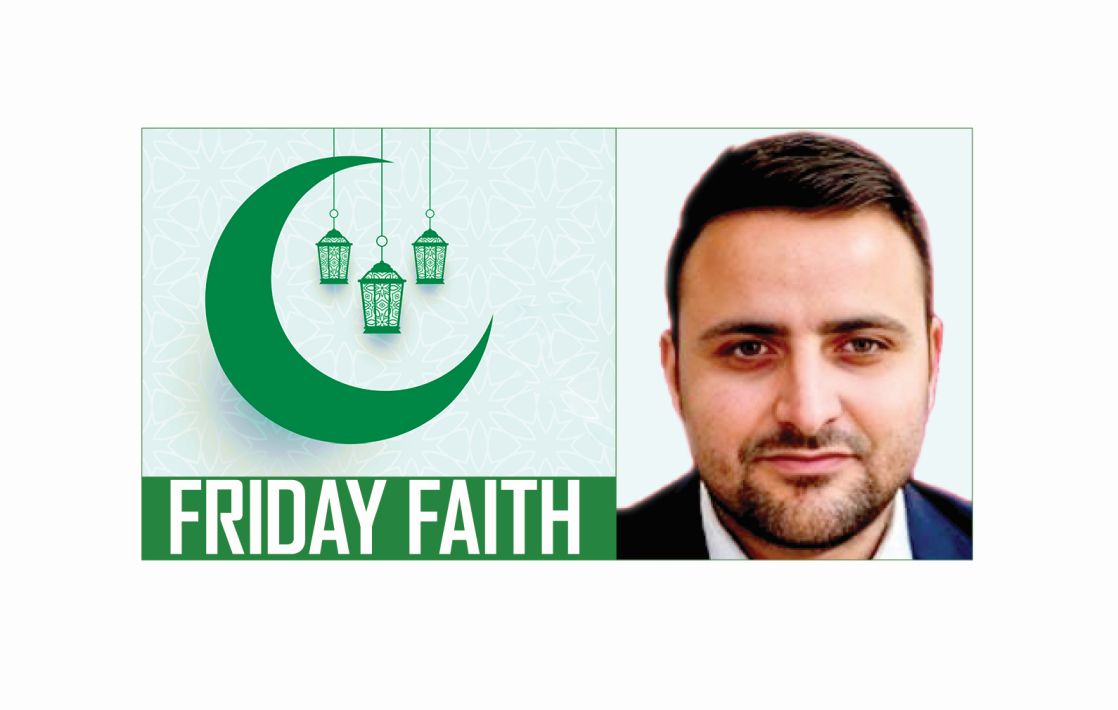
Dr Firdous A Reshi