“While the NC and Congress have secured a majority, the fractured nature of the political landscape in Jammu and Kashmir presents several challenges. The alliance will need to navigate a complex web of regional and ideological differences as it seeks to implement its governance agenda. While NC dominated the Kashmir Valley, the BJP’s sweep of Jammu highlights the stark political divide between the two regions. This regional polarization will require careful management to ensure that the concerns of both Jammu and Kashmir are addressed equitably.”
The National Conference (NC) and Congress alliance is on track to form the new government in Jammu and Kashmir after securing a decisive majority in the Union Territory’s first Assembly election in a decade. This historic election, held over three phases on September 18, September 25, and October 1, marked a significant moment in the region’s political landscape, being the first since the revocation of Article 370 and the bifurcation of the erstwhile state into two Union Territories in 2019. The alliance, which entered the elections with a pre-poll agreement, won 48 out of the 90 contested seats, comfortably surpassing the 46-seat majority needed to form the government. With the NC emerging as the dominant force by winning 42 seats, and Congress securing six, the two parties now look poised to lead Jammu and Kashmir through a period of political transition, navigating the complexities of governance in a post-Article 370 landscape.
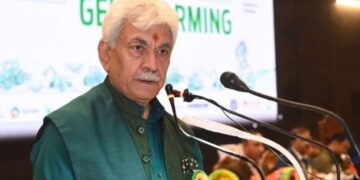
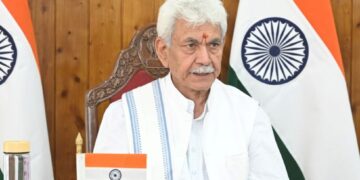
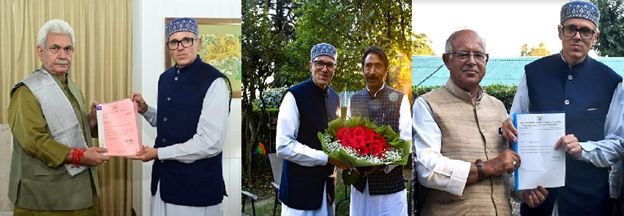
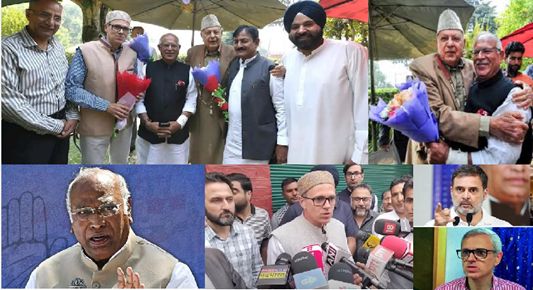
A Historic Victory for the NC-Congress Alliance: The results of the election reflect a significant shift in the region’s political dynamics. The NC, led by former Chief Minister Omar Abdullah, performed strongly, particularly in the Kashmir Valley, while Congress held onto a modest but crucial six seats, five of which were in Kashmir, with one in Jammu. Their combined strength gives the alliance a majority in the newly constituted assembly, which is set to have 95 members, including five nominated by the Lieutenant Governor. The Bharatiya Janata Party (BJP), while achieving its best-ever result in Jammu and Kashmir with 29 seats, was unable to extend its reach beyond the Jammu division, where it secured all of its victories. Despite failing to secure a foothold in the Kashmir Valley, the BJP increased its vote share to 25.64%, marking a notable rise from the 23% it had garnered in the 2014 elections. The People’s Democratic Party (PDP), which was once a dominant player in Jammu and Kashmir politics, faced a crushing defeat, reduced to just three seats, down from 28 in 2014. Omar Abdullah, who is set to return as Chief Minister, expressed his gratitude to voters and party workers for their resilience in what he described as a challenging political environment. “This victory is not just ours but belongs to the people of Jammu and Kashmir, who have shown faith in us to lead them through this pivotal moment,” Abdullah said after the results were announced. The NC leader called on Lieutenant Governor Manoj Sinha on Friday to stake a formal claim to form the government, presenting letters of support from Congress and several independent MLAs who have pledged their backing to the alliance.
A New Chapter For Jammu And Kashmir: The results of this election carry immense significance, as it marks the first time voters in Jammu and Kashmir have participated in an electoral process since the central government’s controversial move to abrogate Article 370, which granted the region special autonomy. The revocation, followed by the bifurcation of the state into the Union Territories of Jammu and Kashmir and Ladakh, triggered widespread protests and political unrest in the Valley. This election, therefore, was seen as a critical test of public sentiment and a potential turning point for the region’s future governance. While the NC and Congress have secured a majority, the fractured nature of the political landscape in Jammu and Kashmir presents several challenges. The alliance will need to navigate a complex web of regional and ideological differences as it seeks to implement its governance agenda. While NC dominated the Kashmir Valley, the BJP’s sweep of Jammu highlights the stark political divide between the two regions. This regional polarization will require careful management to ensure that the concerns of both Jammu and Kashmir are addressed equitably.
Omar Abdullah Set For A Second Term As J&K CM: Omar Abdullah’s unanimous election as the leader of the NC Legislature Party on Thursday has set the stage for his second term as Chief Minister. His first stint, from 2009 to 2014, was also under an NC-Congress coalition government, during which he dealt with several challenges, including political unrest and development issues. Abdullah’s return to power comes with high expectations, as the region faces significant socio-political and economic challenges. The Congress party, which secured six seats, has also expressed its commitment to supporting the NC in delivering on its governance agenda. Senior Congress leader Ghulam Ahmad Mir, who played a key role in the pre-poll alliance, said that the party will work closely with the NC to ensure that the aspirations of the people of Jammu and Kashmir are met. “We are committed to the principles of democracy, inclusivity, and development. Together, we will work towards building a brighter future for Jammu and Kashmir,” he said.
BJP’s Strong Performance in Jammu, Shortfall in Kashmir:
Despite not being able to form the government, the BJP’s performance in this election is its strongest ever in Jammu and Kashmir. The party won 29 seats, all from the Jammu division, marking a significant increase from the 25 seats it won in the 2014 elections. However, the party failed to secure any seats in the Kashmir Valley, where it remains deeply unpopular due to its stance on Article 370 and other central government policies perceived as unfavorable. BJP’s success in Jammu can be attributed to several factors, including the recent delimitation of constituencies, which benefited the party by creating new seats in its strongholds, and its focus on development and security issues. However, the party’s inability to make inroads in Kashmir reflects the deep mistrust that persists in the Valley towards the BJP, particularly after the revocation of Article 370.
By prioritizing trust-building, economic revitalization, security, and inclusive governance, the new government can lay the groundwork for long-term peace and development. Success will depend on its ability to balance regional aspirations, manage the delicate political landscape, and work effectively with the central government. If handled wisely, this could be a turning point for the region, bringing it closer to achieving both political reconciliation and socio-economic progress.
Challenges Ahead For The New Government: While the NC-Congress alliance has secured a majority, the challenges of governance in Jammu and Kashmir are immense. The region continues to grapple with security concerns, economic instability, and a deep sense of political alienation, particularly in the wake of the 2019 constitutional changes. The abrogation of Article 370 and the removal of rights under Article 35A have left a lasting impact on the political landscape, with many Kashmiris feeling a sense of loss and betrayal. Restoring trust between the people of Kashmir and the central government will be a key challenge for the new administration. Moreover, balancing the aspirations of the Jammu region, which has increasingly aligned itself with the BJP’s policies, with those of the Kashmir Valley will require careful and inclusive governance. As Omar Abdullah prepares to take the oath of office next week, the people of Jammu and Kashmir will be watching closely to see how the new government navigates these challenges. With a fragile political landscape and competing interests to balance, the NC-Congress alliance will need to act decisively to restore faith in democratic governance and deliver on its promises of stability, development, and regional equity.
Expectations Of People: The people of Jammu and Kashmir have high expectations from the newly formed NC-Congress coalition government, hoping for stability, development, and the restoration of trust in democratic governance. After years of political uncertainty following the abrogation of Article 370 in 2019, citizens anticipate a government that will address their socio-political and economic challenges. Security remains a top priority for many, especially in the Kashmir Valley, where tensions continue to impact daily life. People expect the coalition to focus on creating a secure environment that fosters peace, allowing businesses to thrive and tourism to rebound. The coalition’s ability to bridge the political divide between the Jammu and Kashmir regions is seen as essential for promoting unity and inclusive development. Restoring trust between the people and the government is another key expectation. Transparency, dialogue, and responsive governance will be vital to regain the confidence of those who feel alienated after years of political upheaval. The people are hopeful that this coalition can lead the Union Territory toward a brighter and more prosperous future.
Kashmir Horizon View: As the National Conference (NC)-Congress alliance prepares to form the next government in Jammu and Kashmir, the path ahead is fraught with challenges that require both strategic planning and inclusive governance. To ensure long-term stability and progress, the new administration will need to focus on several key areas. One of the most pressing issues in Jammu and Kashmir remains the deep political alienation felt by many, particularly in the Kashmir Valley. Since the abrogation of Article 370 in 2019, there has been widespread mistrust of both the central government and mainstream political parties. The new government must prioritize restoring trust between the people of Jammu and Kashmir and the political leadership. Initiating an open dialogue with civil society groups, youth organizations, and local leaders will be crucial. This will provide a platform for grievances to be heard and addressed. Symbolic gestures such as reviving local governance institutions, ensuring transparency in the administration, and creating opportunities for public participation in decision-making could help bridge the trust gap. While the restoration of Article 370 may not be immediately feasible, the NC-Congress government can focus on measures that protect the cultural identity and economic interests of Kashmiris, including safeguarding land and job rights. Jammu and Kashmir has been grappling with economic stagnation, exacerbated by the political turmoil and the impact of the COVID-19 pandemic. Unemployment rates, particularly among the youth, remain alarmingly high. Economic revitalization should be a top priority for the new government. The Government should develop programs that focus on the rehabilitation of youth involved in militancy and the reintegration of former militants into society. Providing opportunities for education and employment can help prevent vulnerable young people from being radicalized. Security in the region is intricately tied to national concerns. Maintaining a positive working relationship with New Delhi will be essential for ensuring adequate resources and support for security measures. The recent election results highlight the political and regional polarization between Jammu and Kashmir. The NC’s dominance in the Valley and the BJP’s stronghold in Jammu underscore the need for the new government to bridge this divide. The government should ensure that development initiatives are spread evenly across both regions. While focusing on the unique challenges of the Kashmir Valley, Jammu’s demands for infrastructure improvements and job creation should not be overlooked. Promoting cultural and social exchanges between the two regions could help foster a sense of unity and reduce the mistrust that exists between them. Initiatives that highlight the shared heritage of Jammu and Kashmir could be promoted to strengthen bonds between the two areas. The demand for the restoration of Jammu and Kashmir’s statehood has gained widespread support across the political spectrum, even from the BJP. While this issue is primarily within the purview of the central government, the NC-Congress alliance can push for an early restoration of statehood, which will likely resonate with a large portion of the electorate. The new government should build strong channels of communication with the central government and advocate for the restoration of statehood as a priority. Emphasizing the importance of statehood for effective governance and public sentiment could increase pressure on the central government to act. The NC-Congress alliance faces immense challenges, but it also has a unique opportunity to steer Jammu and Kashmir towards a more stable and prosperous future. By prioritizing trust-building, economic revitalization, security, and inclusive governance, the new government can lay the groundwork for long-term peace and development. Success will depend on its ability to balance regional aspirations, manage the delicate political landscape, and work effectively with the central government. If handled wisely, this could be a turning point for the region, bringing it closer to achieving both political reconciliation and socio-economic progress.
(In commitment to continuous improvement the “Team Kashmir Horizon” invites it’s valuable readers to share their valuable feedback and suggestions with the “Team Kashmir Horizon”. The insights of readers will surely play a vital role in improving the content quality of “Kashmir Horizon” and contribute more for the empowerment of people. Please feel free to reach out to us at editor@ thekashmirhorizon.com. Team “Kashmir Horizon” eagerly anticipates thoughts and ideas of it’s readers, which will help us serve people and even more effectively. The inputs of valuable readers are highly valued as “Kashmir Horizon” strives to provide it’s readers the best possible experience. Thank you for being a part of the reader community!)