“The high level of voter participation observed this year surpasses the turnout seen during the 2024 Lok Sabha elections, which recorded a participation rate of only 58.58%. This trend not only highlights an overall positive movement towards civic engagement but also underscores the resilience of the democratic spirit in the region, which has been challenged in the past.”
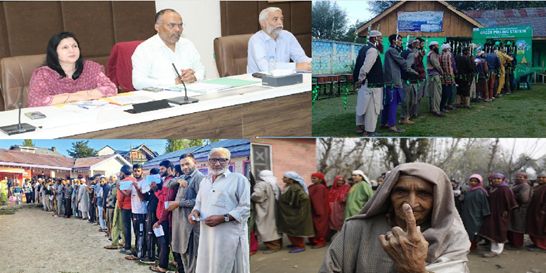
On September 18, 2024, the first phase of the Jammu and Kashmir Assembly elections marked a significant moment in the region’s political landscape, as the Election Commission of India announced a revised voter turnout of over 61 percent. This figure not only reflects a strong engagement from the electorate but also signifies a crucial step towards reinforcing democratic processes in a region historically characterized by political volatility. The recorded turnout of 61.38 percent across 24 constituencies highlights the determination of the people of Jammu and Kashmir to participate actively in shaping their governance.
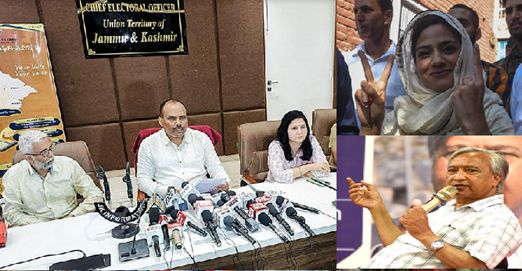
Innovative Monitoring Through Technology: In an effort to ensure transparency and facilitate the electoral process, the Election Commission introduced a voter turnout app that provided updates every two hours beginning at 9:30 AM on polling day. This technological innovation allowed for real-time monitoring of voter participation trends at polling stations, which significantly enhanced the accountability of the electoral process. The Chief Electoral Officer (CEO) of J&K, PK Pole, confirmed that all polling parties returned safely, and final vote counts would be available following the counting of postal ballots. These postal ballots included votes from service voters, absentee voters, and those engaged in election duty, ensuring a comprehensive representation of various groups within the electorate.
Diverse Voter Engagement: In a press conference, PK Pole expressed his satisfaction with the electoral process, highlighting the notable enthusiasm observed in regions such as the Chenab Valley. Districts like Doda and Ramban recorded impressive turnouts, contributing to what Pole called the highest voter turnout in South Kashmir over the last seven elections. Kishtwar district led with a remarkable turnout of 77%, while Pulwama recorded the lowest at 44%. These preliminary figures indicate that participation levels may rise further as data from remote and underserved areas continues to be compiled, reflecting the potential for increased civic engagement.
Special Arrangements For Vulnerable Voters: To facilitate a smooth voting experience, the Election Commission established a total of 3,276 polling stations across Jammu and Kashmir. This included 24 special polling stations designated for Kashmiri Pandits located in Jammu, Udhampur, and Delhi. The high level of voter participation observed this year surpasses the turnout seen during the 2024 Lok Sabha elections, which recorded a participation rate of only 58.58%. This trend not only highlights an overall positive movement towards civic engagement but also underscores the resilience of the democratic spirit in the region, which has been challenged in the past.
Acknowledging Voter Participation: Chief Election Commissioner Rajiv Kumar, alongside Election Commissioners Gyanesh Kumar and Dr. Sukhbir Singh Sandhu, commended the voters for their active involvement in the electoral process. “The people of Jammu & Kashmir have responded to the call of democracy, standing firm against forces attempting to disrupt the electoral process,” Kumar stated. This commitment to democracy was particularly evident as voters from diverse backgrounds—young, elderly, and disabled—came out in large numbers to cast their ballots, signaling a collective effort to participate in shaping the political future of the region.
Emphasizing Inclusivity: One of the standout features of the election day was the active participation of young and female voters, along with many elderly citizens and persons with disabilities (PwDs). Special provisions were put in place to facilitate voting for those aged over 85 and for individuals with benchmark disabilities. For these voters, home voting options were made available, ensuring that accessibility issues did not hinder their right to participate in the electoral process. Additionally, polling stations were equipped with Assured Minimum Facilities (AMF), including ramps, wheelchairs, drinking water, and volunteers to assist those in need, thereby ensuring convenience for all voters.
High Engagement Across Distts: Long queues of voters were reported at polling stations across the seven districts—Pulwama, Shopian, Kulgam, Kishtwar, Anantnag, Ramban, and Doda—indicating widespread engagement in the electoral process. The palpable enthusiasm among voters, particularly among women and youth, served as a powerful testament to the commitment of the local population to exercise their democratic rights. In Dhadkai village of Doda, known as a “Silent Village” for its residents with hearing and speech impairments, voters participated in a moving display of inclusion, with three sisters proudly showcasing their inked fingers after casting their ballots—a poignant example of community solidarity and participation.
Combating Electoral Malpractices: In a robust effort to combat electoral malpractices, the Election Commission undertook significant actions leading to the seizure of illicit items worth ₹124.3 crore during the electoral process. This figure includes drugs and narcotics valued at ₹107.9 crore, highlighting the Commission’s unwavering commitment to maintaining clean and fair elections. Furthermore, over ₹15 crore in freebies intended to influence voters were confiscated, reflecting the Commission’s strict stance against the use of illegal means to sway electoral outcomes. With a reported 98.3% disposal rate of complaints regarding electoral malpractices submitted through the cVIGIL app, the Commission demonstrated its proactive approach to ensuring electoral integrity.
Streamlined Permissions For Campaigning: To enhance transparency and efficiency, the Election Commission introduced the Suvidha platform for candidates and political parties to request permissions for rallies, public meetings, and campaign materials. Over 4,458 requests were approved ahead of the first phase, showcasing a well-organized approach to electoral campaigning that respects democratic norms and practices. This systematic process enabled political entities to engage with voters effectively while adhering to the guidelines established by the Election Commission.
Provisions For Displaced Voters: In a significant move to uphold the democratic rights of displaced individuals, special provisions were made for Kashmiri Pandit voters. Polling stations were set up in Jammu, Udhampur, and Delhi, facilitating the voting process for over 35,000 displaced Kashmiri Pandits across the country. Earlier procedural hurdles, such as the requirement to fill out Form-M, were eased, allowing for a more streamlined voting experience. The self-certification process further ensured that displaced voters could exercise their rights without unnecessary complications, thus reinforcing the inclusive nature of the electoral exercise.
Positive Start For Future Phases: The successful completion of the first phase of polling, characterized by peaceful and incident-free elections across all 24 Assembly constituencies, sets a positive tone for the upcoming phases of the electoral process. Polling for the second and third phases is scheduled for September 25 and October 1, respectively, with vote counting slated for October 8, 2024. The Election Commission’s meticulous preparations, increased security measures, and significant voter participation have highlighted the importance of this electoral exercise for the region, paving the way for a more engaged electorate.
Women’s Empowerment Through Voting: Equally significant is the increase in female voter participation. Women in Jammu and Kashmir have historically faced various societal challenges, but the recent elections showcased a notable rise in their involvement. Many women turned out to vote, driven by a desire to have their voices heard and to influence the decision-making processes that affect their lives. This engagement is vital not just for the immediate electoral outcomes but for fostering a culture of empowerment that encourages women to participate actively in all spheres of public life.
“The journey towards a more participatory and vibrant democracy is a shared responsibility. With the commitment of all stakeholders, Jammu and Kashmir can emerge as a model for democratic engagement, fostering hope and progress for generations to come. As the people of this beautiful region continue to express their aspirations through the ballot box, their resolve to shape a brighter future must not be underestimated. Every vote matters, and every voice counts.”
Community Initiatives Promoting Voter Awareness: In the lead-up to the elections, numerous community initiatives were launched to promote voter awareness and education. Local organizations and civil society groups played a crucial role in informing citizens about the electoral process, the significance of their votes, and the importance of participating in democratic practices. These initiatives were instrumental in motivating individuals from various backgrounds to exercise their voting rights, thereby reinforcing the democratic fabric of society.
Looking Ahead; Challenges And Opportunities: While the first phase of the Jammu and Kashmir Assembly elections has been largely successful, challenges remain. Issues such as political instability, security concerns, and economic hardships continue to affect the region. However, the recent electoral exercise has provided an opportunity for healing and rebuilding trust in the democratic process. By addressing these challenges head-on and fostering an environment conducive to political engagement, stakeholders can work towards a more stable and prosperous Jammu and Kashmir.
Engaging Disenfranchised Communities: In addition to facilitating voting for displaced Kashmiri Pandits, there is a pressing need to engage other disenfranchised communities within Jammu and Kashmir. The voices of marginalized groups must be prioritized to ensure that the electoral process is truly representative. Efforts to include these communities in discussions about their rights, needs, and aspirations will be essential in crafting policies that reflect the diversity of the region.
Building A Lasting Democratic Culture: As Jammu and Kashmir moves forward, the challenge lies in building a lasting democratic culture that encourages participation at all levels. This entails not just voting but also fostering a sense of civic responsibility among citizens. Educational programs aimed at raising awareness about democratic principles, rights, and responsibilities can empower individuals to take an active role in their communities and governance.
Final Thoughts; A Call to Action: The successful first phase of the Jammu and Kashmir Assembly elections serves as a reminder of the resilience of democracy in challenging circumstances. It is crucial for citizens, political leaders, and civil society organizations to collaborate in nurturing this democratic spirit. As the region prepares for the subsequent phases of the elections, the collective effort to ensure a fair, transparent, and inclusive electoral process will determine the future trajectory of governance in Jammu and Kashmir.
Kashmir Horizon View: The first phase of the Jammu and Kashmir Assembly elections has showcased a robust commitment to democracy among voters. With heightened security, comprehensive arrangements for inclusivity, and a transparent electoral process, the foundation has been laid for future phases. The significant turnout, especially among young and female voters, signals a positive shift towards greater civic engagement and participation. As the region moves forward with the next stages of voting, the hope is that this enthusiasm for democratic participation will continue to thrive, reinforcing the importance of every vote in shaping the future of Jammu and Kashmir. The participation of young voters in the recent elections has been particularly noteworthy. Their engagement not only reflects their interest in political matters but also indicates a shift in the demographic dynamics of the voting population. Many young voters have expressed a desire for change and progress, aiming to contribute to a more vibrant democracy. This generation’s enthusiasm serves as a beacon of hope for the future of the region, signaling that the youth are eager to take an active role in the political process. In conclusion, the journey towards a more participatory and vibrant democracy is a shared responsibility. With the commitment of all stakeholders, Jammu and Kashmir can emerge as a model for democratic engagement, fostering hope and progress for generations to come. As the people of this beautiful region continue to express their aspirations through the ballot box, their resolve to shape a brighter future must not be underestimated. Every vote matters, and every voice counts.
(In commitment to continuous improvement the “Team Kashmir Horizon” invites it’s valuable readers to share their valuable feedback and suggestions with the “Team Kashmir Horizon”. The insights of readers will surely play a vital role in improving the content quality of “Kashmir Horizon” and contribute more for the empowerment of people. Please feel free to reach out to us at editor@ thekashmirhorizon.com. Team “Kashmir Horizon” eagerly anticipates thoughts and ideas of it’s readers, which will help us serve people and even more effectively. The inputs of valuable readers are highly valued as “Kashmir Horizon” strives to provide it’s readers the best possible experience. Thank you for being a part of the reader community!)