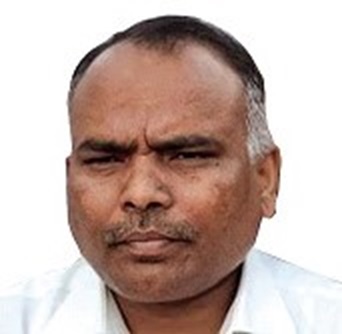
“There will be separate queues for men and women. There will be separate arrangements for the elderly…,” he told ANI.
Webcasting will be done at every polling booth following the directions of the Chief Election Commissioner, he added.
“There are about 88 lakh voters, of which 44.89 lakh are male and 43.83 lakh are female voters, and there are 163 transgender voters,” Pole told ANI.
The last date for filing the nomination papers is August 27.
Assembly elections in Jammu and Kashmir will be held in three phases on September 18, 25 and October 1. The results will be announced on October 4.
Ahead of the Jammu and Kashmir assembly elections, the Congress and the National Conference announced a pre-poll alliance and said that “they have reached a consensus on most of the seats.”
The Congress and the NC had fought the Lok Sabha elections in alliance with each other. The National Conference won two seats – Anantnag and Srinagar. The Congress could not win any seat.
24 Assembly seats will go to polls in the first phase on September 18.
The seats, that will go to polls in the first phase, are Pampore, Tral, ulwama, Rajpora, Zainapora, Shopian, D H Pora, Kulgam, Devsar, Dooru, Kokernag (ST), Anantnag West, Anantnag, Srigufwara-Bijbehara, Shangus-Anantnag East, Pahalgam, Inderwal, Kishtwar, Padder-Nagseni, Bhadarwah, Doda, Doda West, Ramban, and Banihal.
A total of 90 assembly constituencies will go to the polls in Jammu and Kashmir. The last assembly election in Jammu and Kashmir was held in 2014. The counting will take place on October 4.