India’s higher education system stands at a critical crossroads. While the country aspires to become a global knowledge superpower, a serious structural problem continues to undermine this ambition: the shortage of qualified faculty members in colleges and universities. Behind impressive enrolment figures, ambitious policy announcements, and promises of educational transformation lies a persistent reality of vacant teaching positions, overburdened faculty members, and institutions struggling to maintain academic standards. The crisis is not merely about a shortage of teachers; it is about the future of educational quality, research, innovation, and the employability of millions of young Indians. If India wants to build a knowledge-driven economy, filling faculty vacancies must become a national priority rather than an administrative formality. Teachers are the backbone of any educational institution. They do much more than deliver lectures or complete syllabi. They encourage critical thinking, develop analytical abilities, mentor students, guide research, and prepare young people for professional and personal challenges. When institutions function without adequate faculty, these essential responsibilities suffer. Students may attend classes, complete examinations, and earn degrees, but the depth of their learning can remain limited. Consequently, the difference between obtaining a qualification and acquiring meaningful knowledge becomes increasingly significant.
The crisis also raises important questions about the implementation of the National Education Policy (NEP) 2020. The policy emphasizes multidisciplinary education, research, innovation, flexibility, critical thinking, and improved learning outcomes. However, these objectives cannot be achieved through policy documents alone. They require sufficient qualified teachers, well-equipped institutions, appropriate infrastructure, and sustained financial support. How can institutions introduce new courses, strengthen research, provide interdisciplinary learning, and improve student engagement when existing faculty members are already struggling to manage routine academic responsibilities? The gap between educational aspirations and institutional realities must be addressed honestly. Educational reforms require more than revised curricula and new assessment methods. They demand the human resources necessary to implement them effectively. Without adequate faculty, even well-designed policies risk becoming formal exercises rather than meaningful transformations. The reasons behind faculty shortages are complex. Lengthy recruitment procedures, delayed approvals, financial constraints, inadequate workforce planning, and difficulties in attracting specialized professionals can contribute to persistent vacancies.
In some institutions, recruitment processes remain slow even when departments urgently need teachers. Meanwhile, qualified candidates may seek opportunities elsewhere because of uncertain appointments, limited career progression, excessive workloads, or unattractive employment conditions. The situation becomes more complicated when institutions depend heavily on temporary, contractual, or guest faculty arrangements. Such appointments can provide short-term relief, but excessive dependence on them may create uncertainty for teachers and disrupt academic continuity. Faculty members who face employment insecurity may find it difficult to plan long-term research, pursue professional development, or establish sustained mentoring relationships with students. Contractual appointments are not inherently ineffective; the real concern arises when temporary arrangements become a substitute for a stable and adequately planned academic workforce.
“Matter of greater concern is the growing faculty shortage in Indian higher education and its adverse impact on teaching quality, student learning, research, and innovation. Prolonged vacancies, excessive workloads, delayed recruitment, and dependence on temporary faculty undermine academic excellence and hinder the effective implementation of NEP 2020. There is urgent need for time-bound recruitment, adequate funding, improved working conditions, and stronger institutional accountability to ensure quality education and strengthen India’s higher education system”.
India must therefore adopt a comprehensive approach to resolving the crisis. First, institutions should conduct regular assessments of their teaching requirements and fill sanctioned vacancies through transparent, time-bound recruitment procedures. Recruitment planning must consider student enrolment, subject specialization, laboratory requirements, research supervision, and future academic needs. Vacancies should not remain unfilled for years because of avoidable administrative delays. Second, governments and educational authorities must ensure adequate funding for faculty recruitment and development. Quality education requires investment in people, not merely buildings, digital platforms, and physical infrastructure.
Modern classrooms and advanced technologies cannot replace the intellectual contribution of qualified teachers. Technology can support learning, but effective teaching still requires human judgement, subject expertise, mentorship, and meaningful interaction. Third, institutions must create working environments that attract talented academics and encourage them to remain in teaching and research. Fair compensation, transparent promotion systems, professional autonomy, opportunities for research, and access to academic resources are essential. Faculty development programmes should enable teachers to update their knowledge, adopt innovative pedagogies, and respond to changing industry and societal needs.
Fourth, accountability mechanisms must focus on both staffing adequacy and educational outcomes. Regulatory authorities should regularly monitor faculty vacancies, student–teacher ratios, workload distribution, and the availability of qualified teachers in different disciplines. Institutions should be encouraged to address deficiencies through practical improvement plans rather than treating compliance as a paperwork exercise. Finally, educational institutions must recognize that faculty members are partners in academic development, not simply resources to be stretched indefinitely. Their professional dignity, intellectual freedom, and well-being are essential to creating a productive academic environment. A motivated teacher with adequate institutional support can transform students’ lives; an overburdened teacher working within an understaffed institution may struggle to fulfil even basic academic responsibilities. India’s demographic advantage will produce meaningful economic and social benefits only when its young population receives education that develops knowledge, competence, creativity, and confidence.
The country cannot aspire to global academic leadership while allowing persistent faculty shortages to weaken its colleges and universities. Every vacant teaching position represents a potential loss of classroom interaction, research guidance, academic innovation, and student development. The message is clear: vacant posts are not merely administrative gaps; they are threats to educational quality and national progress. India must move beyond counting institutions, enrolments, and degrees and begin measuring whether students are receiving the teaching and mentoring they deserve. The success of higher education reforms depends not only on ambitious policies but also on the people responsible for implementing them. If India genuinely wants world-class universities, employable graduates, stronger research, and an innovation-driven economy, it must put faculty recruitment and development at the center of educational planning. The country cannot build a knowledge superpower with understaffed institutions and overburdened teachers. It is time to fill the vacant posts before the quality of higher education suffers further.
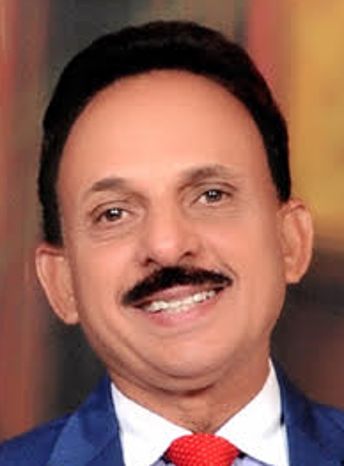
(The author is Principal, Guru Gobind Singh College of Management and Technology, Gidderbaha, Punjab. The views, opinions and conclusions expressed in this article are those of the author and aren’t necessarily in accord with the views of “Kashmir Horizon”)
[email protected]