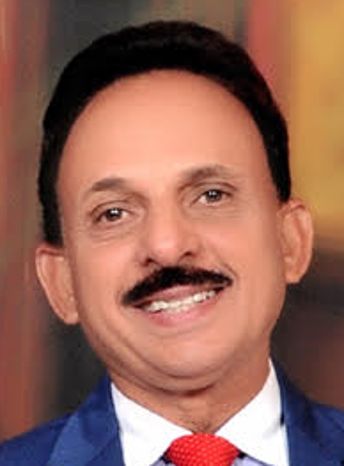
Prof R.K. Uppal
Faculty shortages—and the related over-reliance on contingent and part-time instructors—constitute a quiet but profound crisis in higher education. While public attention often focuses on tuition costs, student debt, or enrollment declines, the thinning ranks of stable, full-time faculty directly erode the quality of teaching, mentoring, and academic support that students need to succeed.
Faculty shortages are becoming a serious and often underestimated crisis in Indian higher education. When institutions operate with inadequate numbers of qualified teachers, students receive less individual attention, mentoring and academic guidance. The problem is significant: a 2026 analysis citing AISHE data estimated a shortfall of nearly 600,000 faculty members, while vacancies in central universities were reported at about 29% as of early 2025.
This shortage directly affects teaching quality, research, innovation and employability. Overburdened teachers cannot devote sufficient time to classroom preparation, student counseling, research supervision and skill development. UGC itself recognizes the importance of effective faculty resources and quality teaching in improving student progression and institutional outcomes. The solution cannot be merely appointing temporary or guest faculty. India needs timely recruitment, adequate sanctioned posts, competitive salaries, professional respect and better working conditions. If we want universities to produce skilled, innovative and employable graduates, we must first ensure that every student has access to enough competent and motivated teachers. Students cannot receive world-class education from understaffed classrooms. Faculty strength is not an administrative issue—it is the foundation of educational quality.
The Scale Of The Problem : In the United States, the faculty workforce has undergone a dramatic structural shift. By fall 2023, only about 32% of faculty held full-time tenured or tenure-track positions, down from roughly 53% in 1987. Approximately 68% of faculty served in contingent roles, with nearly half employed part-time. Full-time contingent appointments expanded significantly over the prior two decades, while permanent tenure-line positions stagnated.
In India, the shortage appears in stark vacancy numbers. Recent data show 25–40% or more of sanctioned teaching posts unfilled across central universities, IITs, NITs, and other institutions, with especially severe gaps at senior ranks. This drives student-teacher ratios well above recommended levels (sometimes approaching 30:1 versus a preferred 15:1).
Even where overall instructional capacity appears adequate on paper, the composition of the faculty—heavy on short-term contracts and light on permanent educators—creates functional shortages in mentoring, advising, and sustained student engagement.
How Shortages Undermine Student Success: Strong faculty-student relationships are among the most consistent predictors of academic achievement and persistence. Meta-analyses confirm that supportive interactions correlate with higher GPAs, stronger engagement, and significantly better retention. When permanent faculty is scarce, these relationships become harder to form. Empirical studies link greater student exposure to part-time and contingent instructors with measurable declines in outcomes: Lower second-year retention. Reduced likelihood of continuing in a subject or major
“Faculty shortages constitute a hidden crisis because their effects accumulate incrementally—through slightly lower retention rates, modestly larger classes, thinner advising relationships, and gradually eroded mentoring—rather than through sudden institutional collapse. Yet the cumulative impact on student success is substantial. Students who lack consistent access to knowledgeable, available, and invested faculty are less likely to persist, less likely to thrive academically and less likely to realize the full value of their higher education investment. Rebuilding a robust, stable, and appropriately supported professoriate is not simply an internal staffing matter. It is a prerequisite for delivering on higher education’s fundamental promise: that student will encounter teachers who can challenge, guide, and support them toward intellectual growth and successful completion. “
Lower Graduation And Transfer Rates: Weaker academic performance, particularly in introductory and developmental courses. These effects fall hardest on first-year students and those from underrepresented or under-prepared backgrounds—the very groups most in need of consistent guidance. Faculty diversity compounds the issue: same-race and underrepresented minority instructors help close performance gaps and improve graduation rates for students of color. Shortages and precarious hiring patterns often limit such representation.
High workloads on remaining faculty further degrade quality. Overburdened instructors have less time for office hours, feedback, curriculum innovation, and individualized support—precisely the elements that distinguish transformative education from transactional course delivery.
Multiple forces converge: Financial pressures: Institutions facing constrained budgets and enrollment volatility expand cheaper contingent labor rather than committing to permanent lines. Labor market realities: Competitive private-sector salaries (especially in STEM and AI), heavy administrative burdens, and the precocity of academic careers discourage talent from entering or remaining in the professoriate. Structural and policy factors: Slow hiring processes, insufficient PhD pipelines in key fields, and institutional incentives that prioritize research prestige or short-term cost control over instructional capacity. Demographic shifts: Enrollment cliffs in some systems reduce overall demand, yet the quality and stability of the remaining faculty still suffer.
Addressing the crisis requires both immediate capacity building and longer-term structural change: Convert long-serving contingent positions into full-time or tenure-track roles and expand permanent hiring, particularly for high-enrollment and gateway courses. Improve compensation, benefits, professional development, and working conditions across all instructional ranks to improve recruitment and retention. Reduce excessive workloads and strengthen mentoring and induction programs so faculty can invest more time in students. Align funding and accountability systems to reward instructional quality and student outcomes alongside research productivity.
Deploy targeted incentives, streamlined recruitment, industry partnerships (such as Professors of Practice), and investments in graduate education to rebuild pipelines. Faculty is not interchangeable inputs in an educational production function. They are the primary agents of intellectual development, mentorship, and academic belonging. When permanent, supported faculty become scarce, students experience thinner relationships, less guidance, and diminished chances of timely completion and deep learning.
The crisis remains partially hidden because its effects accumulate gradually—through slightly lower retention rates, modestly larger classes, and quietly eroded mentoring—rather than through dramatic closures or scandals. Yet the cumulative impact on student success is substantial. Rebuilding a robust, stable professoriate is not merely an institutional staffing issue; it is a prerequisite for fulfilling higher education’s core promise to students.
(The author is Principal, Guru Gobind Singh College of Management and Technology, Gidderbaha, Punjab. The views, opinions and conclusions expressed in this article are those of the author and aren’t necessarily in accord with the views of “Kashmir Horizon”)
[email protected]