Washington, Aug 5 (UNI) US President Donald Trump has said a deal to reopen the strategically important Strait of Hormuz could be announced within days, but Iranian state media and officials have rejected suggestions that an agreement is imminent, insisting ongoing talks with Oman are unrelated to reopening the vital shipping lane.
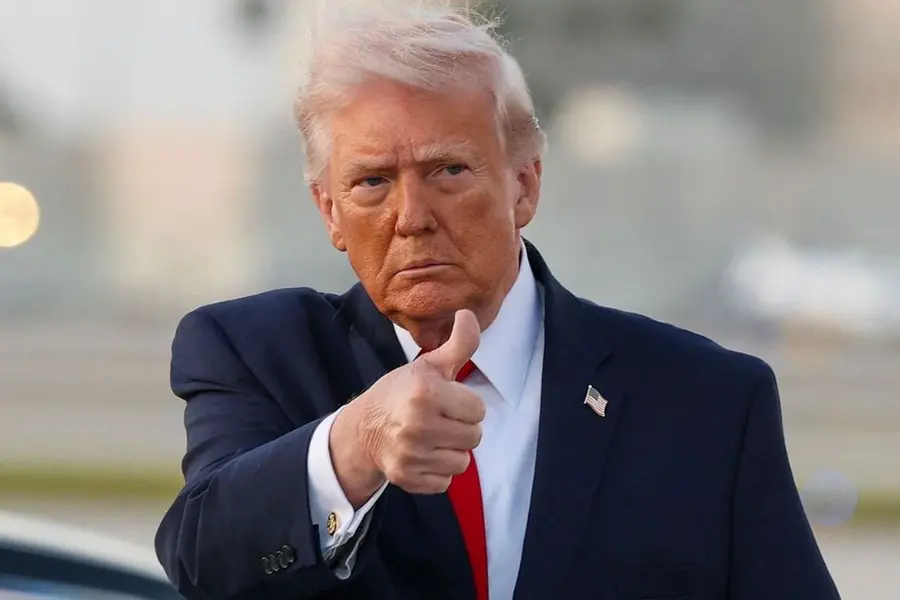
Speaking to Fox News on Tuesday, Trump expressed optimism about negotiations, saying an announcement on the Strait of Hormuz could come “today or tomorrow.”
“A lot of progress has been made. And they called me and they said please let’s talk. They want to talk,” Trump said in response to reports that the US was seeking to announce an interim agreement on the waterway.
He also warned Iran that the strait would be reopened “very soon or they (Iran) are going to get hit very hard.”
However, Tehran swiftly dismissed those claims. Iran’s state broadcaster IRIB reported on Wednesday that any future agreement between Iran and Oman, which share control over the strategic waterway, “has no connection to the immediate reopening of the strait.”
“If the United States continues its violations, the Strait of Hormuz will not be reopened even if Iran and Oman reach an agreement,” IRIB quoted an unnamed source as saying.
Hassan Ghashghavi, spokesperson for Iran’s National Security and Foreign Policy Commission, also rejected Trump’s assessment. Speaking to the state-affiliated Mizan News Agency, he said the Strait of Hormuz would not return to its pre-war status “under any circumstances.”
“We will not accept the southern corridor that the United States sought to impose through pressure and threats,” Ghashghavi said, adding that the negotiations between Tehran and Muscat are bilateral and have “no connection” with the United States.
Iran’s Foreign Ministry has confirmed that talks with Oman are continuing, with discussions focused on establishing safe inbound and outbound shipping routes while protecting both countries’ sovereign rights and national security interests.
The Strait of Hormuz, through which around one-fifth of the world’s crude oil normally passes, has remained effectively closed since Iran blocked commercial traffic after the outbreak of war with the United States and Israel earlier this year.
The closure also became the main reason for the collapse of the June ceasefire memorandum between Washington and Tehran. Although both sides had agreed to pause fighting while negotiating a broader settlement, renewed clashes around the strait led to the resumption of US military strikes, Iranian retaliation and an expanded regional conflict.
The standoff continues to affect global energy markets. Oil prices rose on Wednesday after earlier losses, reflecting uncertainty over the fate of the shipping route. Brent crude climbed about 1.3% to around $80 a barrel, while US benchmark West Texas Intermediate (WTI) rose about 0.6% to $76 a barrel.
Moreover, US military stockpiles of key missile defence interceptors have been significantly depleted during the conflict with Iran, with nearly 80% of interceptors for one major air defence system already expended, CNN quoted sources familiar with the matter.