• Infras gaps addressed under Samagra Shiksha, PM SHRI
• Funds support classrooms, labs, playgrounds and teaching staff
• Projects approved through annual UDISE-based planning
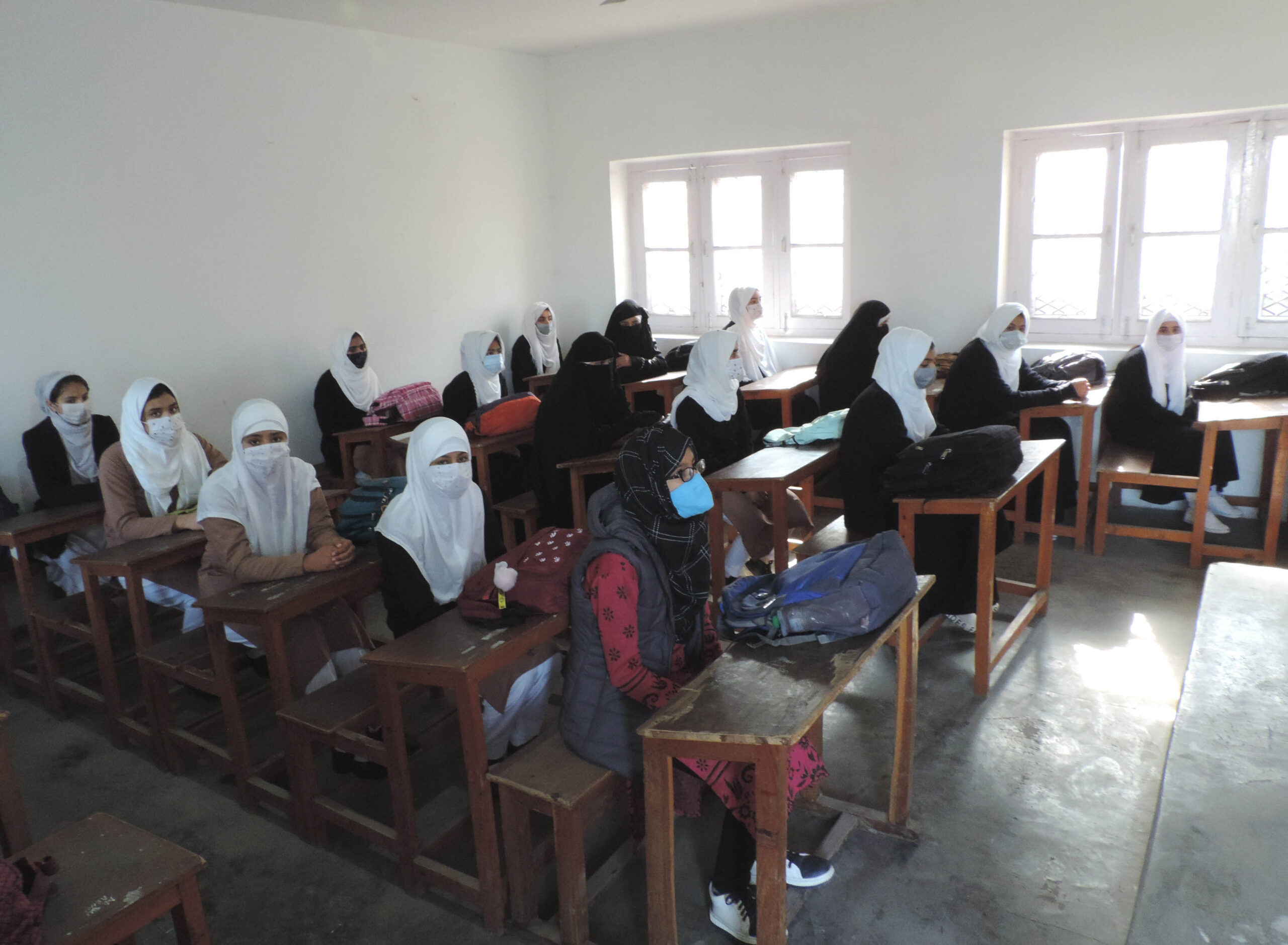
Srinagar: The Centre on Thursday informed Parliament that infrastructure deficiencies in government schools across Jammu and Kashmir including shortages of classrooms, playgrounds, science and computer laboratories, vocational education facilities and teaching staff are being addressed through need-based interventions under the Samagra Shiksha and PM SHRI schemes, with more than ₹2,205 crore released under Samagra Shiksha during the last three financial years.
The information was shared by Minister of State for Education Jayant Chaudhary in a written reply to an unstarred question by Rajya Sabha MP Chowdry Mohammad Ramzan.
Responding to the query, the Minister said education falls under the Concurrent List of the Constitution and that the majority of schools are administered by State Governments and Union Territory administrations, which are responsible for planning and implementing educational programmes at the grassroots level.
He said the Government of India provides financial and technical support to Jammu and Kashmir through centrally sponsored schemes to strengthen school education, develop infrastructure and improve learning outcomes.
According to the reply, the Samagra Shiksha scheme, covering pre-school to Class XII, and the Pradhan Mantri Schools for Rising India (PM SHRI) initiative are being implemented in coordination with the Jammu and Kashmir administration.
The Minister said these schemes support the strengthening of existing government schools and the creation or augmentation of infrastructure, including additional classrooms, boys’ and girls’ toilets, toilets for Children with Special Needs (CWSN), drinking water facilities, electricity, boundary walls, libraries, ICT and digital classrooms, playgrounds, science and computer laboratories, vocational education facilities and teaching staff.
He said assistance is sanctioned based on infrastructure gaps identified through the Unified District Information System for Education (UDISE) database and proposals submitted by the Union Territory administration.
The Minister said infrastructure requirements are assessed annually by the Jammu and Kashmir administration according to local needs and priorities and incorporated into the Annual Work Plan and Budget (AWP&B). The proposals are then examined and approved by the Project Approval Board (PAB) after considering programme norms, the physical and financial progress of previously sanctioned works and the availability of budgetary resources.
According to the figures placed before Parliament, under Samagra Shiksha, Jammu and Kashmir proposed a central share of ₹1,736.49 crore in 2023-24, against which ₹865.43 crore was released. The total funds available, including the opening balance and the UT share, stood at ₹1,289.50 crore, while expenditure reached ₹1,103.22 crore.
In 2024-25, the proposed central share was ₹1,721.60 crore, with ₹823.49 crore released. The total funds available amounted to ₹1,471.76 crore, while expenditure stood at ₹944.49 crore.
For 2025-26, the proposed central share was ₹1,435.99 crore and the Centre released ₹516.92 crore. The total funds available were ₹1,102.65 crore, while expenditure touched ₹1,102.64 crore, according to data available on the PRABANDH portal.
The Minister also furnished details of assistance under the PM SHRI scheme. In 2023-24, the Project Approval Board approved an outlay of ₹116.43 crore, with a central share of ₹104.79 crore, of which ₹52.40 crore was released and utilised.
In 2024-25, the approved outlay increased to ₹280.76 crore, with a central share of ₹252.68 crore, while ₹99.72 crore was released and utilised.
For 2025-26, the approved outlay stood at ₹277.07 crore, including committed liabilities, with an approved central share of ₹249.36 crore. During the year, ₹124.68 crore was released and utilised.
The Centre reiterated that infrastructure support under the schemes is demand-driven and based on annual proposals submitted by the Jammu and Kashmir administration, with approvals granted after appraisal by the Project Approval Board in accordance with scheme guidelines.