Geneva Ceremony Set for Friday
Israel Adopts Cautious Tone as Visible Rifts Emerge with US Over Iran Agreement
Oil Tankers Begin Moving Through Strait of Hormuz After US-Iran Peace Deal
Iran Positioned to Unlock $300B Reconstruction Fund in Exchange for Nuclear Commitments
Washington, Tehran: The United States and Iran have virtually signed a memorandum of understanding to end nearly four months of conflict, marking the most significant breakthrough since the war erupted earlier this year.
According to a senior US official cited by Reuters, President Donald Trump, Vice President JD Vance and Iranian Parliament Speaker Mohammad Bagher Ghalibaf, who is leading Tehran’s negotiating team, have signed the agreement electronically. A formal signing ceremony is expected to take place in Geneva, Switzerland, on Friday.
Although both Washington and Tehran have confirmed that an agreement has been reached, the full text has not yet been released.
US officials said the contents of the memorandum are expected to be made public within the next two days. The agreement follows more than two months of intensive negotiations aimed at ending hostilities and reopening key trade routes affected by the conflict.
The framework is expected to establish a 60-day period of negotiations during which both sides will attempt to resolve some of the most sensitive issues that remain outstanding.
Among the major topics expected to be discussed are the future of Iran’s nuclear programme and the mechanisms needed to implement the broader agreement. The formal ceremony planned for Friday is expected to provide further clarity on how both countries intend to move forward.
One of the most closely watched elements of the agreement is the planned reopening of the Strait of Hormuz, one of the world’s most important shipping corridors.
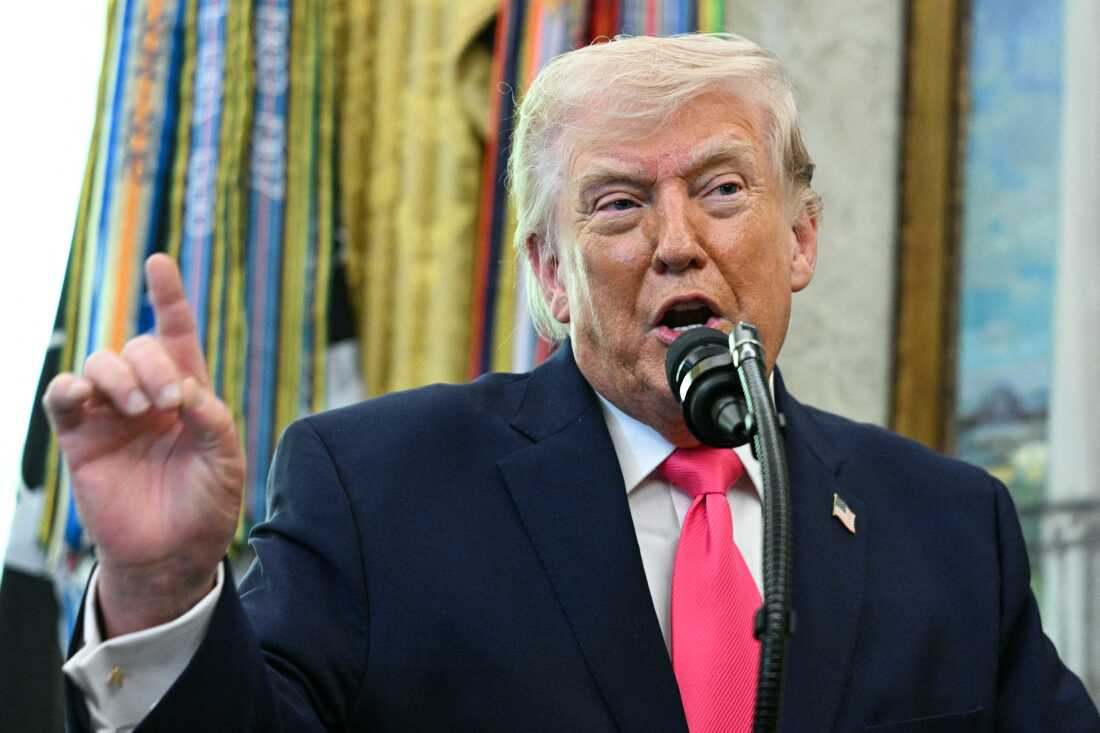
US President Trump said commercial vessels had already begun moving through the strait.
“Ships are starting to move, many loaded up with Oil, out of the Strait of Hormuz.”
However, speaking after arriving in France for the G7 summit, Trump said said the Strait of Hormuz would be fully open by Friday. He also confirmed a deal with Iran had been agreed and indicated that the agreement would be made public following Friday’s ceremony.
US military authorities had issued a warning that restrictions related to Iranian ports remain in place for now. However, events in Lebanon highlighted how fragile the situation remains. Hours after the agreement was reached, an Israeli drone reportedly struck a vehicle in southern Lebanon, killing one person.
Iran has repeatedly warned that any lasting agreement must lead to an end to military operations across the region, including in Lebanon. Israel, however, has maintained that it retains the right to act against threats posed by Hezbollah. Lebanon has become one of the biggest challenges facing efforts to secure a broader peace.
Although large-scale fighting has eased in recent weeks, violence has not fully stopped. Security officials reported a reduction in clashes following the announcement of the agreement, but cautioned that hostilities have not completely ended. The agreement could eventually unlock major economic benefits if negotiations succeed.
US Vice-President JD Vance said the process could lead to Iran gaining access to a reconstruction fund worth as much as $300 billion, financed by Gulf Arab countries, provided Tehran fulfils commitments related to its nuclear programme.
Meanwhile, Israeli leaders have adopted a more cautious tone. The differences between Washington and Jerusalem over the agreement have become increasingly visible.