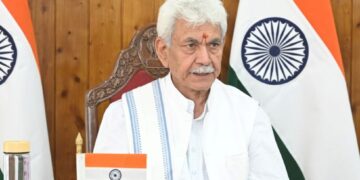
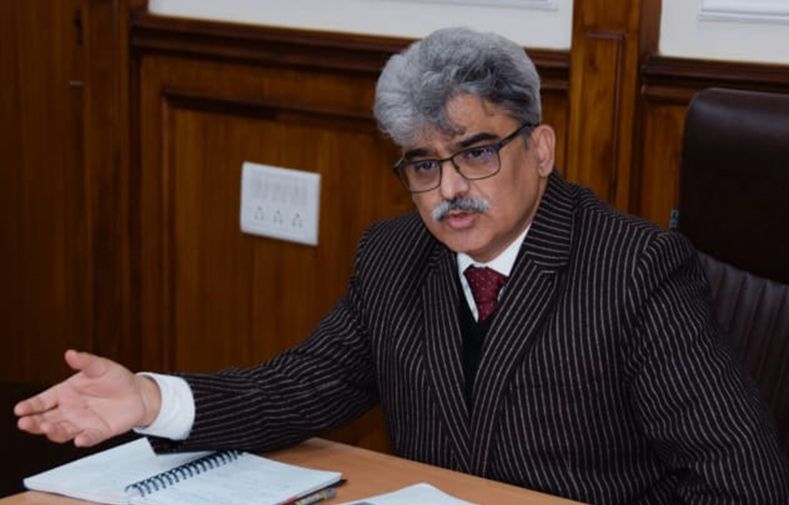
Srinagar: In a major step towards strengthening the fight against substance abuse and ensuring long-term recovery of affected individuals, the Chief Secretary, Atal Dulloo gave shape to al comprehensive Rehabilitation and Socio-Economic Reintegration Framework for victims of drug abuse, aimed at facilitating their successful reintegration into society through a structured rehabilitation cycle.
The proposed framework was discussed in detail during a high-level meeting attended by Additional Chief Secretary, Finance; Principal Secretary, Home; Commissioner Secretary, Social Welfare Department; Commissioner Secretary, School Education Department; Secretary, Skill Development Department; Director Colleges; Head of IMHANS Srinagar;SIO, NIC and other concerned officers.
The proposed framework seeks to move beyond conventional detoxification and treatment by adopting a holistic approach that combines medical care, psychosocial support, education, skill development, employment opportunities and sustained monitoring to prevent relapse and promote social stability.
During the meeting Chief Secretary Outlined a comprehensive strategy by the Government to combat substance abuse through a coordinated treatment-to-reintegration approach, utilizing Individual Reintegration Plans (IRPs) tailored to each victim’s needs. He proposed initiating a pilot program through IMHANS Srinagar and an additional district to identify operational challenges and refine the model before broader implementation across the Union Territory. The Chief Secretary emphasized the importance of a collaborative support system within Addiction Treatment Facilities (ATFs), which would include trained Counsellors, Psychiatrists, ASHA Workers, and Social Workers. The ASHA Worker would be crucial in ensuring adherence to treatment protocols, while the Social Worker would facilitate the transition from treatment to rehabilitation, motivating individuals towards stabilization and reintegration into society. Beneficiaries would be linked to self-employment initiatives, livelihood programs, and educational opportunities, promoting long-term recovery and self-reliance under continuous support. The Chief Secretary also highlighted the need for community involvement, advocating for a support network of trained counsellors from Self Help Groups (SHGs) and educational institutions to enhance outreach and follow-up mechanisms. The Additional Chief Secretary for Finance assured support for the initiative’s successful implementation, urging the Social Welfare Department to refine the framework for better outcomes. The scheme, as outlined by the Principal Secretary, Home, is structured around six key objectives aimed at creating a robust rehabilitation cycle and preventing premature exits from the program. The rehabilitation process will unfold in three phases: Treatment and Stabilization, which includes assessment and detoxification; Reintegration and Livelihood Activation, focusing on socio-economic activation; and Sustained Monitoring and Social Inclusion, aimed at long-term stability and community acceptance. A significant aspect of the framework is the mentor-led handholding approach, where each beneficiary is assigned a mentor for ongoing guidance and support. The meeting also featured a presentation by Prof. (Dr.) Arshid Hussain from IMHANS Srinagar, who discussed evidence-based protocols and a three-tier “Circle of Care” model for effective rehabilitation. He outlined a capacity-building roadmap for personnel involved in the program, emphasizing the need for training to ensure successful implementation. By integrating treatment, livelihood generation, social inclusion, and continuous monitoring, the Government aims to reduce relapse rates, improve recovery outcomes, and empower individuals to lead productive and self-reliant lives.
Autumn session of J&K Assembly to begin with obituary references
JJM Report and Cooperative Bill on agenda for Day 1 Srinagar: The autumn session of the Jammu & Kashmir Legislative...
Read moreDetails