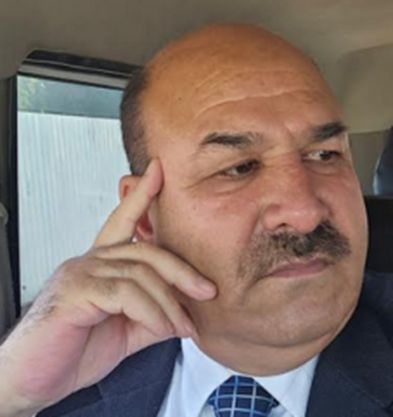
Mohd Rafique Rather
The declaration of Class 10th and 12th results by the Board of School Education (BOSE) is always a moment charged with emotion. Homes resonate with celebration, sweets are distributed, congratulatory messages pour in, and students who secure distinctions and top ranks are rightly applauded for their hard work, discipline, and perseverance. Their success deserves recognition, for it reflects years of effort, sacrifice, and determination. At the same time, the announcement of results once again revives an old but deeply important debate: are marks and percentages the true measure of a student’s intelligence, talent, or future potential? While high scores are celebrated as symbols of excellence and success, many continue to question whether academic performance alone can define a child’s worth. Both perspectives carry weight and merit serious reflection. There is no denying that marks matter. Academic performance plays a significant role in shaping confidence, opening doors to higher education, scholarships, and professional opportunities. Good scores often motivate students to remain focused and disciplined, helping them build a strong foundation for their academic and career journeys. In societies where education is seen as the most reliable path to social mobility and stability, marks naturally acquire great importance. However, in today’s fast-changing and interconnected world, marks are only one parameter among many. Education and competition are no longer confined to local or regional boundaries. We live in a globalized environment where students compete at national and international levels, facing challenges that demand far more than textbook knowledge. The real world values creativity, critical thinking, problem-solving skills, emotional intelligence, adaptability, communication, and resilience, qualities that are rarely reflected on a marks sheet.
More troubling is the unhealthy social stigma that has become attached to low percentages. In our society, good marks are excessively glorified, while students with lower scores are often viewed with disappointment, pity, or even contempt. This mindset has had tragic consequences. Over the years, we have lost many young boys and girls to depression and, in extreme cases, suicide, simply because they could not cope with societal pressure and indifference after the declaration of results. These painful incidents are a stark reminder that our obsession with marks can destroy young lives. Ironically, high percentages can also become a burden. When students score exceptionally well, parental and societal expectations often rise unrealistically. Parents, driven by pride, fear, or comparison, sometimes place immense pressure on their children to constantly outperform themselves. The child’s success becomes a source of anxiety rather than joy. When students fail to live up to these expectations, frustration sets in affecting both parents and children. What should be encouragement turns into fear of failure, leaving little space for exploration, growth, or emotional well-being.
“Examination results don’t decide the destiny of the student . Success in examination is built on resilience, vision, and character rather than marks alone. We must encourage children to see setbacks as temporary and focus on developing the competence and compassion needed to navigate life’s many paths.”
The stigma associated with low marks is equally damaging. Students who score less often develop an inferiority complex. Constant comparisons with peers, discouraging remarks, and labeling can deeply damage their self-confidence. Many such students gradually withdraw, stop believing in their abilities, and give up striving to improve or move forward. This silent loss of confidence is one of the most dangerous outcomes of a marks-centric mindset, as it kills potential before it as a chance to flourish. History and experience offer countless examples of individuals who performed average or even poorly in school but later went on to achieve remarkable success in life. At the same time, high marks do not automatically guarantee professional fulfillment, leadership, or happiness. A single examination measures performance on a particular day, under specific conditions; it does not measure character, perseverance, creativity, or the ability to overcome adversity. It is also essential to recognize that every child has a unique learning curve and a distinct set of strengths. Some students excel in academics, others in arts, sports, technology, entrepreneurship, craftsmanship, or social service. A system that recognizes only one form of excellence does a grave injustice to countless young minds. A single examination cannot define a lifetime, nor should it decide a student’s self-worth or identity.
As a society, while celebrating merit and excellence, we must also cultivate empathy, balance, and understanding. Parents, teachers, and elders carry a moral responsibility to guide students to see results as milestones, not verdicts. Children must be encouraged to learn from both success and failure, without fear or shame. Education should empower students, not imprison them in expectations. Schools and institutions, too, must focus on holistic development rather than purely academic rankings. Counseling, career guidance, skill-based learning, and emotional support systems are no longer optional they are essential. Creating an environment where students feel safe to fail, learn, and grow is the need of the hour. To students who have performed well, congratulations. Your hard work has borne fruit. Continue to strive with humility, curiosity, and purpose. Remember that learning does not end with examinations. And to those who feel disappointed or disheartened today, remember that this is not the end of the road. Life offers multiple opportunities, second chances, and alternative paths to success. Believe in your abilities, identify your strengths, and keep moving forward. The future belongs not only to those with high marks, but to those with vision, resilience, competence, and courage. If we truly wish to prepare our children for tomorrow, we must look beyond marks and help them grow into confident, capable, and compassionate human beings.
(The author a former trade union leader is presently J&K PDP’s District President Baramulla. The views, opinions and conclusions expressed in this article are those of the author and aren’t necessarily in accord with the views of “Kashmir Horizon”)