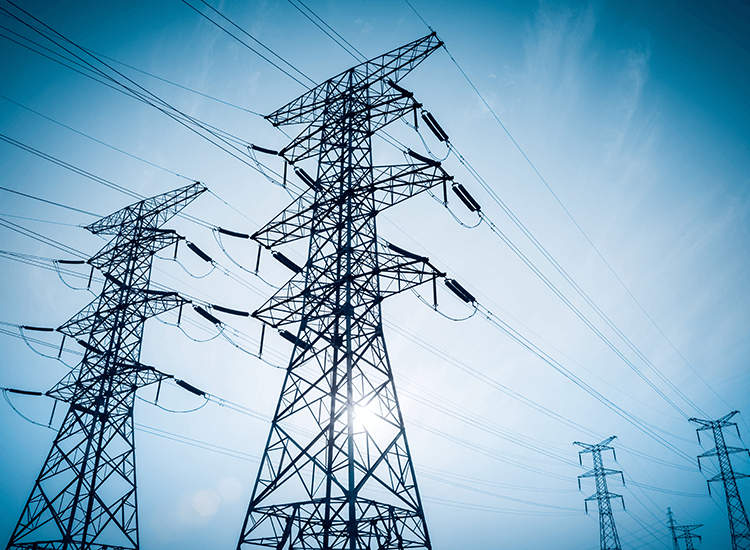
Introduction: As nations evolve, they typically embrace advanced technologies and infrastructural developments to provide more comforts and facilities to their citizens, ultimately making everyday living easier. However, Kashmir presents a paradox. Despite being blessed with an abundance of natural water resources capable of generating power and facilitating a steady supply of drinking water, the region faces deepening crises in both electricity and water supply. Historically, areas with excellent drinking water now suffer from irregular and insufficient supply. Similarly, for the first time, Kashmir is witnessing electricity curtailment even during the summer, exacerbating the difficulties faced by its residents. The Irony of Abundant ResourcesKashmir’s natural endowment includes vast rivers and streams, which should ideally make the region self-sufficient in both electricity and drinking water. The Indus River system, with its tributaries, offers immense hydroelectric potential. Despite this, frequent power outages and erratic water supplies have become the norm.
Power Supply Woes
1. Hydroelectric Potential vs. Reality: The hydroelectric potential of Kashmir is estimated at 20,000 MW, yet the region harnesses only a fraction of this capacity. Various factors contribute to this underutilization, including bureaucratic inefficiencies, political instability, and lack of investment in infrastructure. As a result, the local population suffers from regular power cuts, disrupting daily life and economic activities.
2. Curtailment In Summer: Traditionally, power curtailment in Kashmir was a winter phenomenon, attributed to increased demand and reduced generation capacity due to freezing temperatures affecting water flow in rivers. However, the unprecedented curtailment during summer is alarming. This development indicates systemic issues within the power distribution and management system, including outdated infrastructure, poor maintenance, and inadequate planning.
3. Impact On Daily Life Life And Economy: Frequent power outages adversely impact businesses, healthcare, education, and general living conditions. Small businesses reliant on electricity for daily operations incur significant losses. The healthcare sector, already strained, faces additional challenges with the disruption of medical equipment and facilities. Educationa institutions struggle with online learning and administrative functions, further hindering the region’s development.
Drinking Water Crisis
1. Deteriorating Supply: Areas that once enjoyed an excellent drinking water supply are now grappling with scarcity. This shift can be attributed to several factors, including aging infrastructure, mismanagement, and the effects of climate change. Pipes and distribution systems, many of which date back several decades, are now prone to leaks and breakdowns, leading to significant water loss before it even reaches households.
2. Pollution And Contamination: The contamination of water sources due to industrial discharge, agricultural runoff, and improper waste management further aggravates the drinking water crisis. Despite having access to abundant freshwater sources, the quality of water reaching consumers is compromised, posing severe health risks.
3. Inefficient Management: In efficient management of water resources exacerbates the crisis. Poor planning and execution of water distribution systems, coupled with corruption and lack of accountability, prevent the effective utilization of available resources. The absence of a coherent water policy and regulatory framework further complicates the issue.
Adverse Impact On Daily Life
1. Household Inconvenience: The erratic supply of electricity and water significantly disrupts daily household routines. Families are forced to adjust their activities according to the availability of these essential utilities, leading to inconvenience and frustration. Simple tasks like cooking, cleaning, and maintaining personal hygiene become challenging, affecting the quality of life.
2. Health Risks: Inadequate water supply and poor quality of drinking water pose serious health risks. Waterborne diseases become prevalent, especially during the summer months, leading to increased medical expenses and burdening the already strained healthcare system. Power outages also impact healthcare services, making it difficult to provide timely and effective treatment to patients.
3. Education Disruption: Students’ education is adversely affected by frequent power cuts and water shortages. Online learning, which has become increasingly important, is disrupted by power outages, affecting students’ ability to attend classes and complete assignments. Schools and colleges also struggle to maintain basic facilities, further hampering the educational environment.
“Transparent governance, efficient resource management, and sustainable practices are essential for mitigating these crises. With concerted efforts, Kashmir can harness its natural wealth to provide reliable electricity and clean drinking water for all its residents, fostering growth and development in the region.”
Adverse Impact on Businesses
1. Operational Challenges: Small and medium-sized enterprises (SMEs) in Kashmir face significant operational challenges due to the unreliable supply of electricity and water. Industries that rely heavily on these resources, such as manufacturing, food processing, and textiles, experience frequent downtimes, leading to reduced productivity and financial losses.
2. Increased Costs: Businesses incur additional costs to mitigate the impact of power and water shortages. Many rely on alternative sources like generators and water tankers, which increase operational expenses. These costs are often passed on to consumers, leading to higher prices for goods and services, affecting the overall economy.
3. Economic Slowdown: The overall economic growth of the region is hindered by these crises. Investors are deterred by the lack of reliable infrastructure, leading to reduced investments and slowing economic development. The tourism sector, a major contributor to Kashmir’s economy, also suffers as tourists face inconveniences due to unreliable utilities, affecting their overall experience.
Government Response And Initiatives
1. POLICY FRAMEWORK: The government has introduced several policies aimed at improving water and power supply in the region. Initiatives like the Jal Jeevan Mission aim to provide piped drinking water to every household. However, the implementation of these policies often falls short due to bureaucratic delays, lack of local engagement, and insufficient funding.
2. Infrastructure Development: Efforts to upgrade infrastructure, such as modernizing power grids and water distribution networks, are underway. Projects to harness the hydroelectric potential more effectively are also being pursued. Despite these efforts, the pace of development is slow, and the benefits are yet to be realized by the general population.
3. Community Engagement: Successful management of resources requires active community participation. Local governance bodies and NGOs play a crucial role in educating the public on water conservation and efficient power usage. Community-based initiatives, such as rainwater harvesting and micro-hydroelectric projects, offer sustainable solutions to these crises.
Challenges Ahead
1. Climate Change: Climate change poses a significant threat to Kashmir’s water and power resources. Erratic weather patterns, reduced snow cover, and altered river flow regimes impact the region’s hydroelectric generation and water availability. Adapting to these changes requires comprehensive planning and resilient infrastructure.
2. Political Instability: Political instability in the region hampers consistent policy implementation and long-term development projects. Frequent changes in administration and priorities disrupt ongoing projects, delaying progress and reducing their effectiveness.
3. Economic Constraints: Economic constraints limit the government’s ability to invest in large-scale infrastructure projects. The high cost of modernizing power grids and water distribution systems requires substantial financial resources, which are often scarce.
Conclusion: The deepening crises of electricity and drinking water supply in Kashmir, despite its abundant natural resources, highlight the region’s systemic issues. Addressing these challenges requires a multifaceted approach, involving policy reforms, infrastructure development, and active community engagement. By leveraging its natural resources effectively and implementing sustainable solutions, Kashmir can overcome these crises, setting a path toward a brighter and more prosperous future.
Call To Action: To ensure a steady supply of electricity and drinking water, it is crucial for all stakeholders—government, private sector, and the community—to work together. Transparent governance, efficient resource management, and sustainable practices are essential for mitigating these crises. With concerted efforts, Kashmir can harness its natural wealth to provide reliable electricity and clean drinking water for all its residents, fostering growth and development in the region.
(Author is a freelancer. The views, opinions and conclusions expressed in this article are those of the author and aren’t necessarily in accord with the views of “Kashmir Horizon”.)
[email protected]