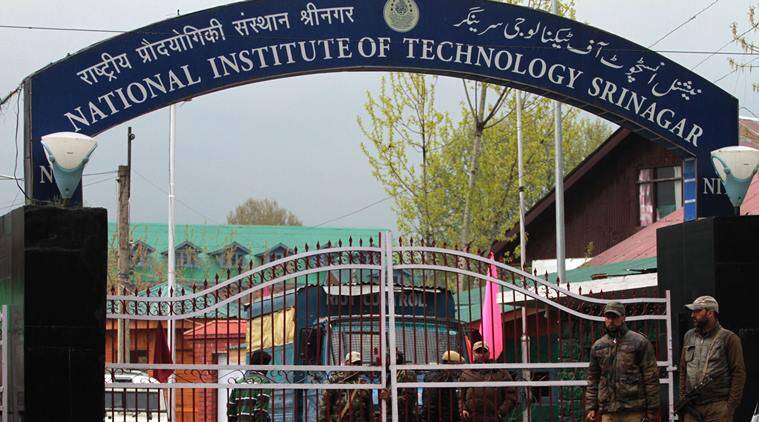
Srinagar: The National Institute of Technology (NIT) Srinagar on Friday suggestions to prevent soil, air and water pollution in the valley. The suggestions emerged during a Webinar on World Environmental Day.
Some of the suggestions to prevent soil pollution include that Polythene suppliers, manufacturers be given a deadline by the Pollution Control Board and thereafter there should be a complete ban on its manufacture, import and use.
The suppliers, users should be provided with alternatives, such as cloth bag/Jute bag etc, on subsidised rates, to incentivise use of biodegradable material.
“Minimize the use of plastics in Homes and Government offices. The packaged water bottles and soft-drinks should be packaged in glass bottles, so that the same can be reused,” it said.
Packing material for food items should be of non-plastic, food safe bags, which can be reused or recycled. It includes fast food and raw food.
It further suggested that limited use of pesticides and fertilizers should be permitted, in consultation with the Agriculture and Horticulture experts.
“Excessive use of fertilizers and pesticides by farmers should be banned and strictly monitored by the Agriculture/Horticulture Department. Use of Vermi-compost should be encouraged and incentivised. Introducing Nono-fertilizers is a good initiative,” it said.
NIT webinar suggested that effective e-waste management policy should be put in place and risks emerging from e-waste should be taken seriously, including waste from hospitals.
Similarly, suggestions have been preventing air pollution that surface and air transport causes air pollution and is a significant contributor to global warming. Use of cycles should be encouraged and promoted for shorter distances.
“School transportation systems should be minimized, by encouraging students to walk or use cycles, for shorter distances within three kilometres. Government can consider providing free cycles to children of poor families,” it said.
Electric vehicles, electric two wheelers should be promoted by Govt and subsidised. The necessary infrastructure for charging such vehicles should be put in place, with facilities of home charging etc.
Outdated old polluting vehicles should be banned from plying on the roads and mechanisms for buying back such vehicles should be explored both for commercial and private vehicles.
Industries such as Brick Kilns, Cement factories, Stone Crushers etc. which cause excessive air pollution, should be shifted to barren lands, in far-flung uninhabited areas and installed with pollution depressant devices to prevent air pollution.
Similarly for preventing water pollution, NIT suggests that natural, organic and homegrown products should be encouraged and promoted. Programmes need to be arranged by universities/colleges and government departments.
Comprehensive policy for conservation of all water bodies including Dal lake and adjoining lakes should be enforced. Rehabilitation Policy for inhabitants of Dal Lake, should be implemented on priority. There is already a policy for their rehabilitation, but needs to be implemented.
It further suggests that rivers and channels be protected with strengthened embankments to avoid loss of water and prevent pollution. The smaller channels in cities and villages should be restored.
“The natural water supply should be used for multipurpose, including in construction. Drinking water from PHE taps should not be allowed to be mis-used for construction purposes, washing of vehicles etc. Permission for construction may be provided only having ground water bore well,” NIT suggests.The convener is teaching Nanotechnology in NIT Srinagar, can be reached at [email protected]
School Education Dept Bans Early Dispersal On Month-End Working Days

Srinagar | September, 11: The School Education Department has banned schools from allowing students to leave early without authorization on...
Read moreDetails